Brand stories
How the brands you use every day got started, plus inventions and curiosities that never get old.
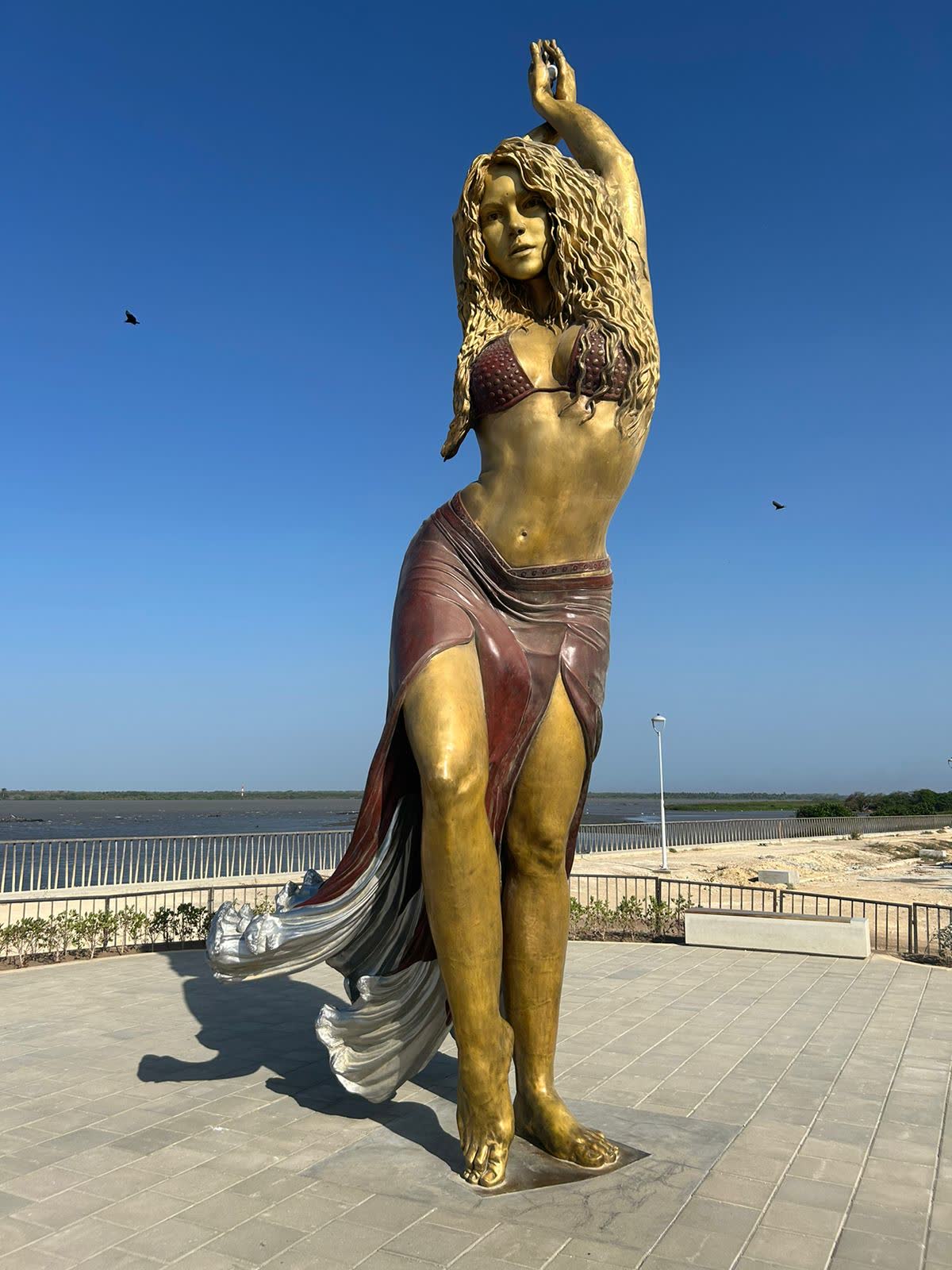
Shakira sold a thousand records and now has a 6-meter statue: 10 things you didn't know
Her first album flopped, and so did the second. From "Pies descalzos" to the Guinness record for the highest-grossing tour by a Hispanic artist.

Karol G was going to be called Tomás: 10 things you didn't know about "La Bichota"
She was turned down on The X Factor, her dad is her manager and her stadium tour grossed more than 313 million dollars. This is how Carolina Giraldo reached the top.
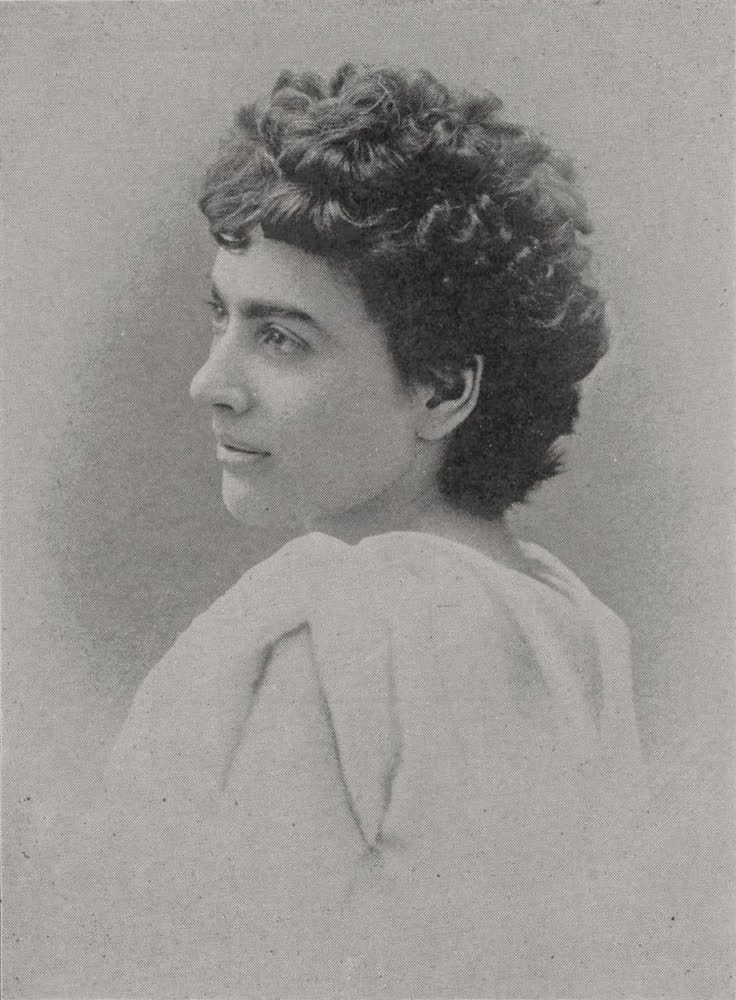
Monopoly was invented by a woman, and she was paid 500 dollars
Lizzie Magie patented the game in 1904 to teach the dangers of hoarding property. The one who got rich from it was someone else: Charles Darrow.
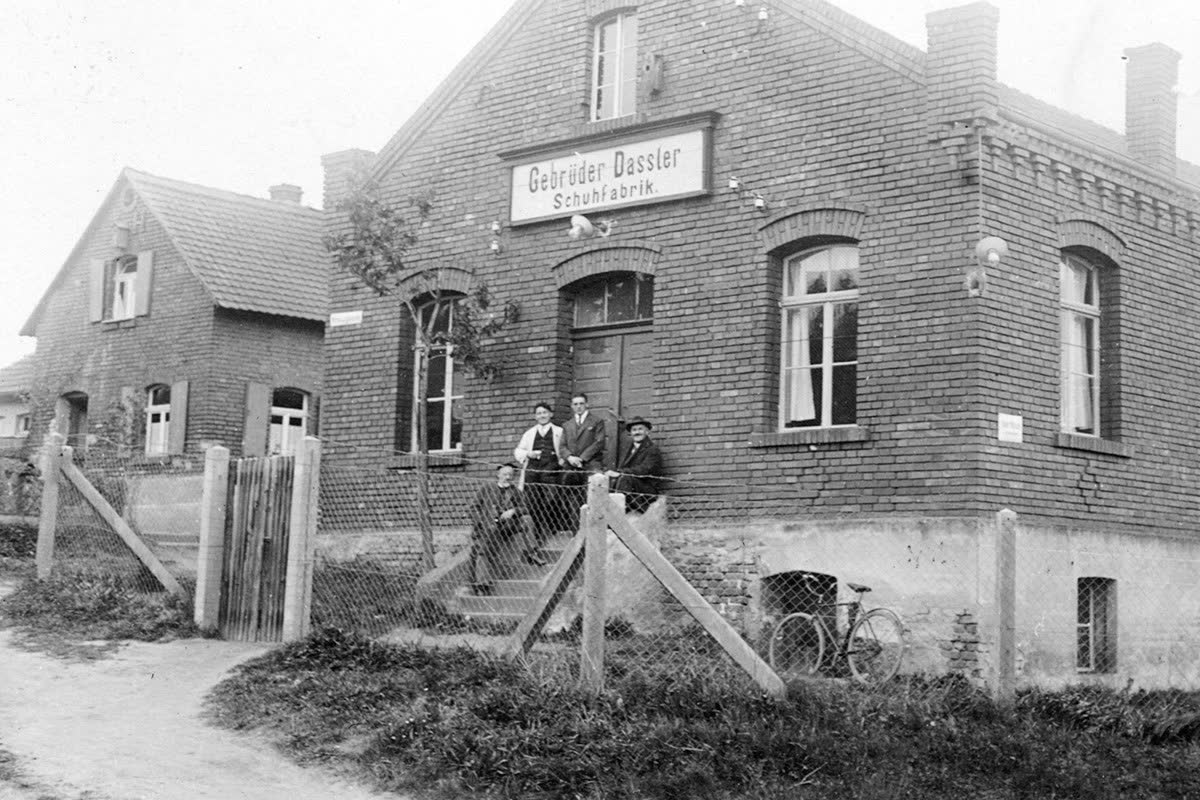
Adidas and Puma: two brothers who hated each other and split a town in two
Adi and Rudolf Dassler made sports shoes together in their mother's house. In 1948 they split up, founded two rival brands and never spoke again.
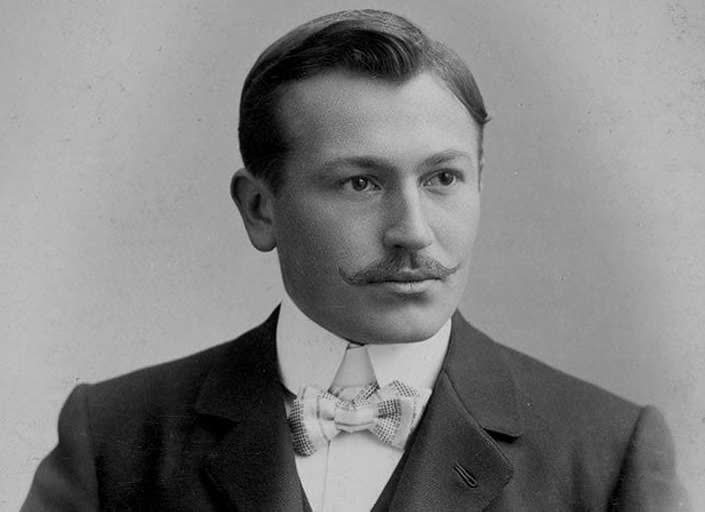
Rolex has no owner: the story of the orphan who gave his brand to a foundation
No shareholders, no stock market and no billionaire behind it. Hans Wilsdorf created Rolex and, when he died, left the whole company to a foundation.

How a milkshake-machine salesman took over McDonald's
McDonald's has more than 40,000 restaurants, but the brothers who gave it their surname ended up without the company… and unable to use their own name.
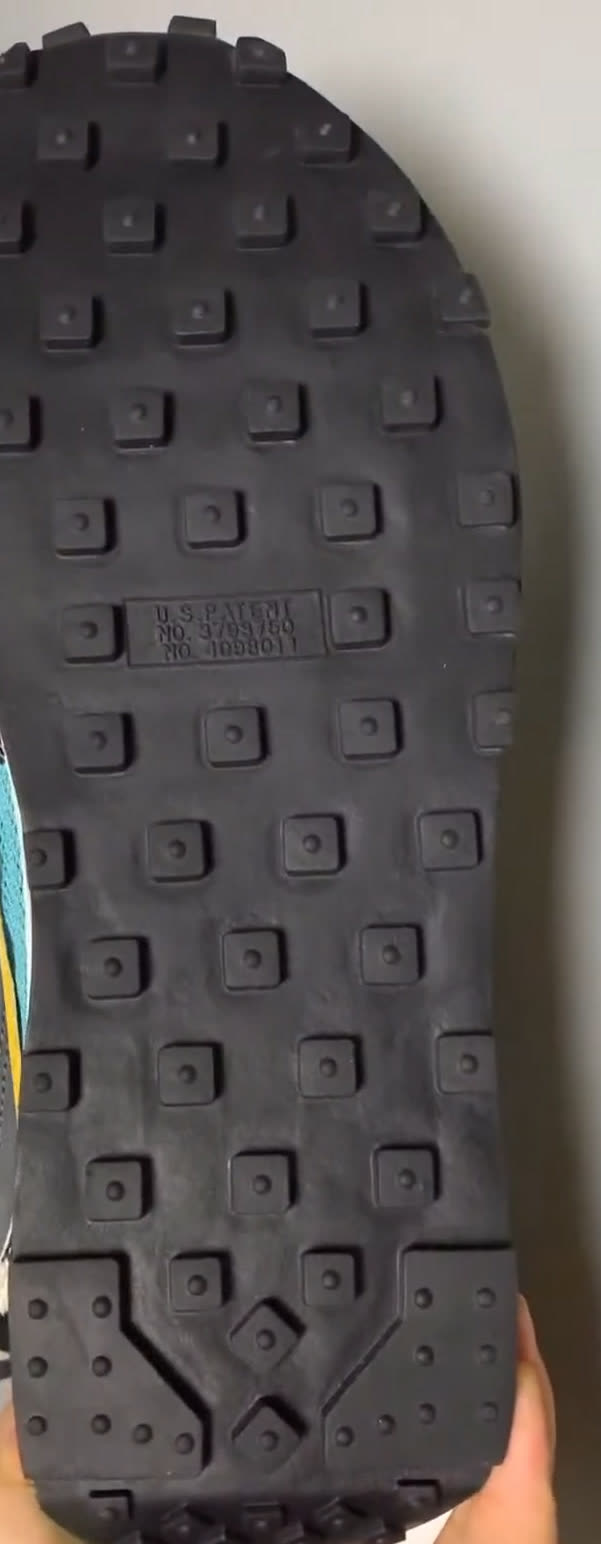
The Nike sole that was born in a waffle iron
Nike's first great sole was made with a track coach's kitchen waffle iron. The waffle iron was ruined, but the idea worked.
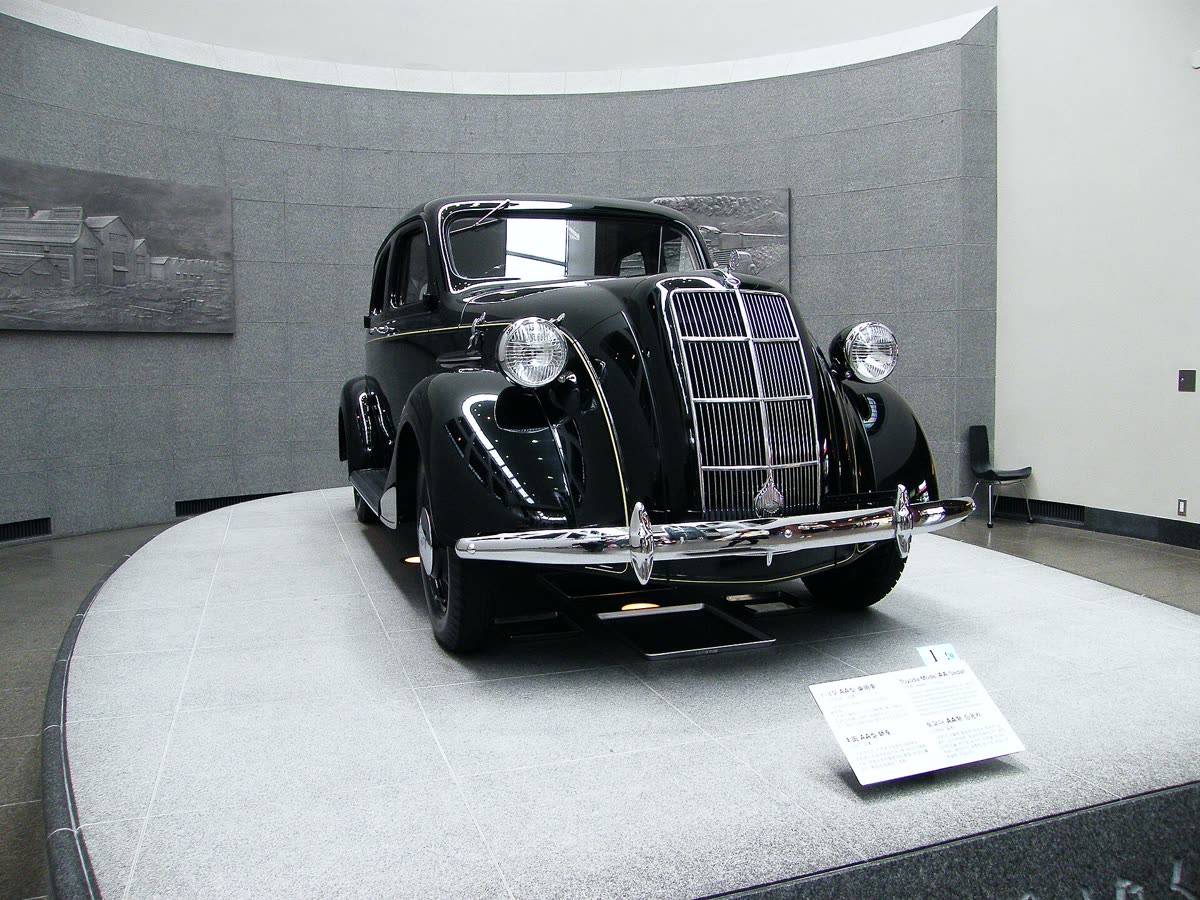
Toyota started out making weaving machines
The world's best-selling car brand was born from a loom that stopped by itself whenever a thread broke.
Wrigley didn't want to sell gum: the gum was the free gift
William Wrigley sold soap and gave away other things to win over shops. Twice, the free gift became more famous than the product.

Coca-Cola was born in a pharmacy (and its recipe lives in a vault)
The most famous drink on the planet sold nine glasses a day in its first year. Today its secret formula is kept in a vault no one can open.
Before the bricks, LEGO made ironing boards
A Danish carpenter with no customers, a fire and a bet on plastic: this is how the world's most famous toy was born.

Play-Doh was born to clean walls
It was a dough for removing soot from wallpaper. When nobody needed it anymore, a teacher turned it into a toy. Even its smell is trademarked.

Nintendo started out selling gambling cards
Taxis, instant rice and hourly-rate hotels: Nintendo tried everything before video games. What saved it was a toy invented in someone's spare time.

Nokia, the "indestructible" phone brand, started out making paper
Paper, rubber boots, tires and cables. Nokia made everything before betting it all on mobile phones, and it became the queen of cell phones.

Samsung started out selling dried fish
A small shop in Korea, a black-and-white TV and a bonfire of 150,000 defective phones: this is how Samsung became a giant.
Lamborghini was born from a fight over a clutch
A tractor maker, a troublesome Ferrari and an answer he didn't like: this is how Ferrari's most famous rival was born.
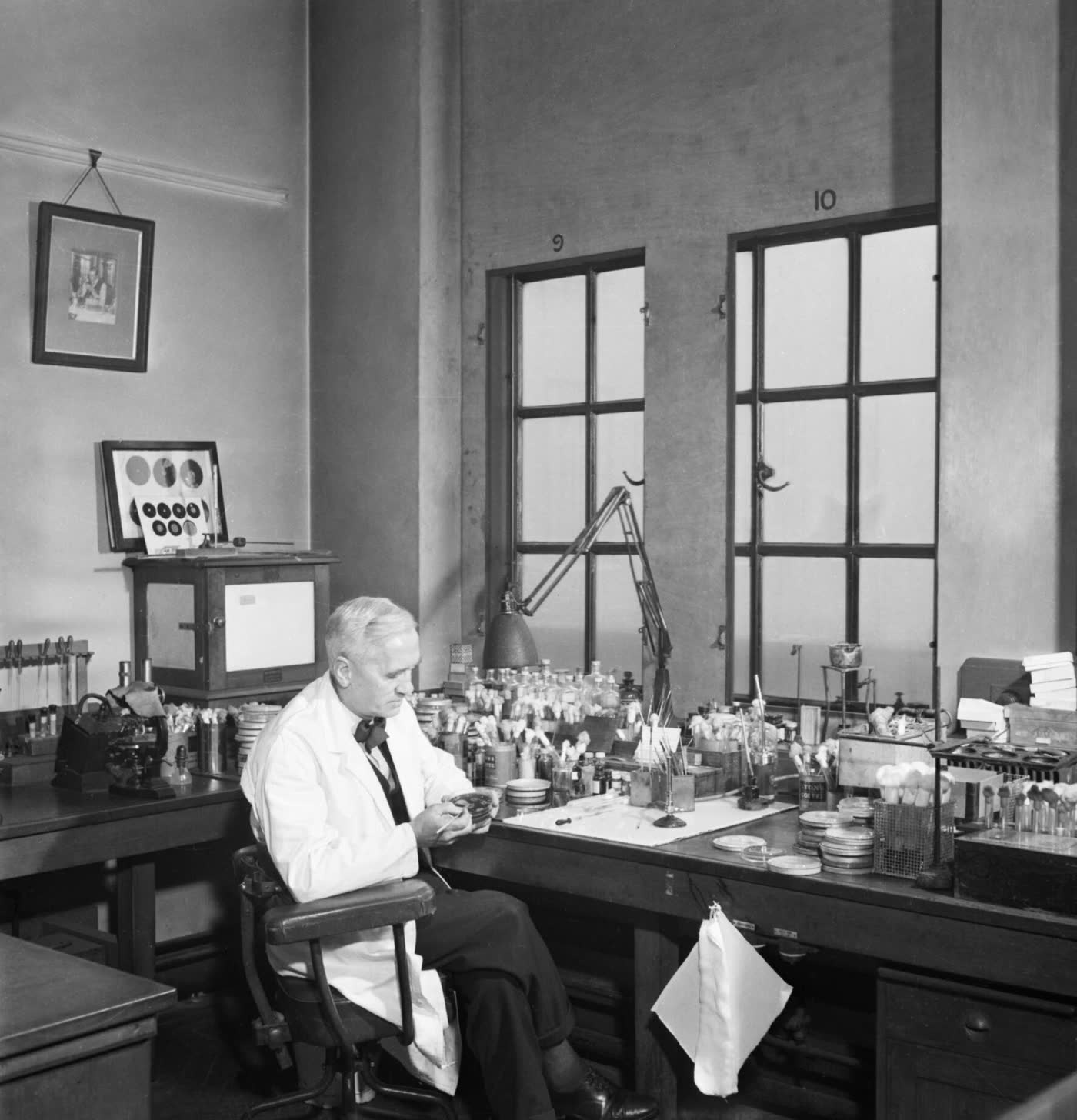
7 inventions that were born by accident
A melted chocolate bar, unwashed hands and a messy lab. That's how the microwave, saccharin, X-rays, the Post-it and penicillin were born.

How an AirTag finds your keys without GPS
An eleven-gram disc with no GPS, no Wi-Fi and no cellular chip can find your things on the other side of the world. The trick: it uses strangers' phones.
The banana you eat is a clone (and that's a problem)
Almost every exported banana is an identical copy of the same plant, the Cavendish. A fungus once nearly wiped out the star banana, and the threat is back.
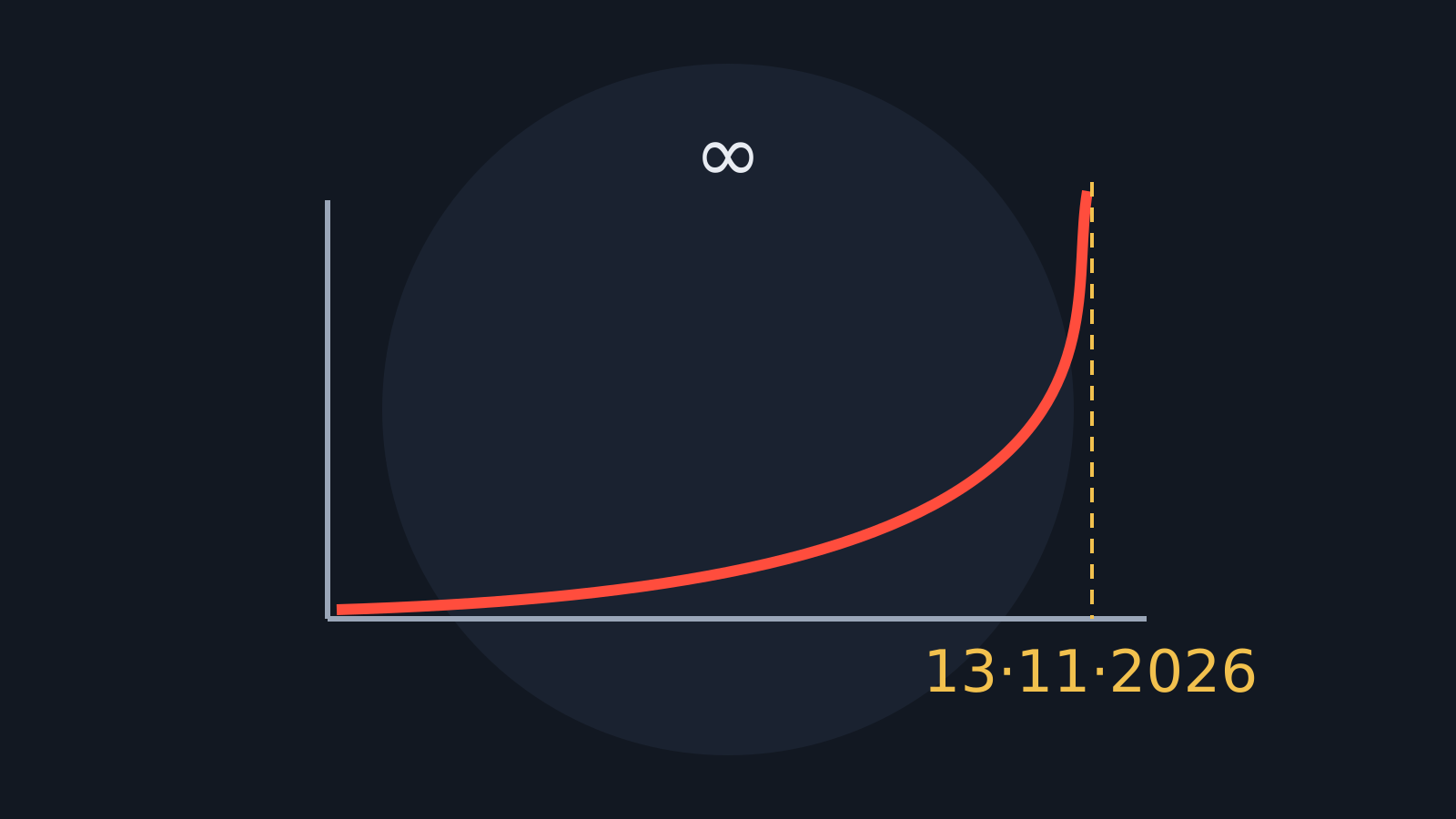
The 1960 study that set a date for the end of the world: Friday, November 13, 2026
It didn't come from a cult: it was published in the journal Science. A physicist calculated that on that day the planet's population would become infinite. And his curve was right for thirty years.

What would happen if all the men… or all the women disappeared?
Without men, almost no plane would take off. Without women, in a hundred years there might be no one left. A thought experiment with data from the ILO, the WHO and civil aviation.