Translated from the original Spanish article. Read in Spanish
McDonald's has more than forty thousand restaurants around the world. But it bears the surname of two brothers who ended up losing everything: the company, the money they had been promised and even the right to use their own name.
This is the story of how a milkshake-machine salesman took over McDonald's.
Two brothers and an idea copied from factories
In 1940, in San Bernardino, California, brothers Richard and Maurice McDonald opened a drive-in barbecue restaurant: customers arrived by car and carhops brought them their food.
Business was good. But in 1948 they did something nobody expected: they closed the restaurant, let the carhops go and cut the menu down to almost three things: hamburgers, fries and milkshakes.

The inspiration came from Henry Ford's car factories. The brothers set up an assembly line in the kitchen: each employee did a single task, always the same one. One put on the meat, another assembled the bun, another fried the potatoes.
They called it the Speedee Service System. Food came out in seconds and a hamburger cost just fifteen cents.
With the Speedee Service System, a hamburger cost 15 cents and was ready in seconds.
Enter the milkshake-machine salesman
In 1954, Ray Kroc was 52 and sold milkshake machines. One day he received a strange order: a small restaurant in California had bought eight Multimixer machines, each able to make five milkshakes at once.
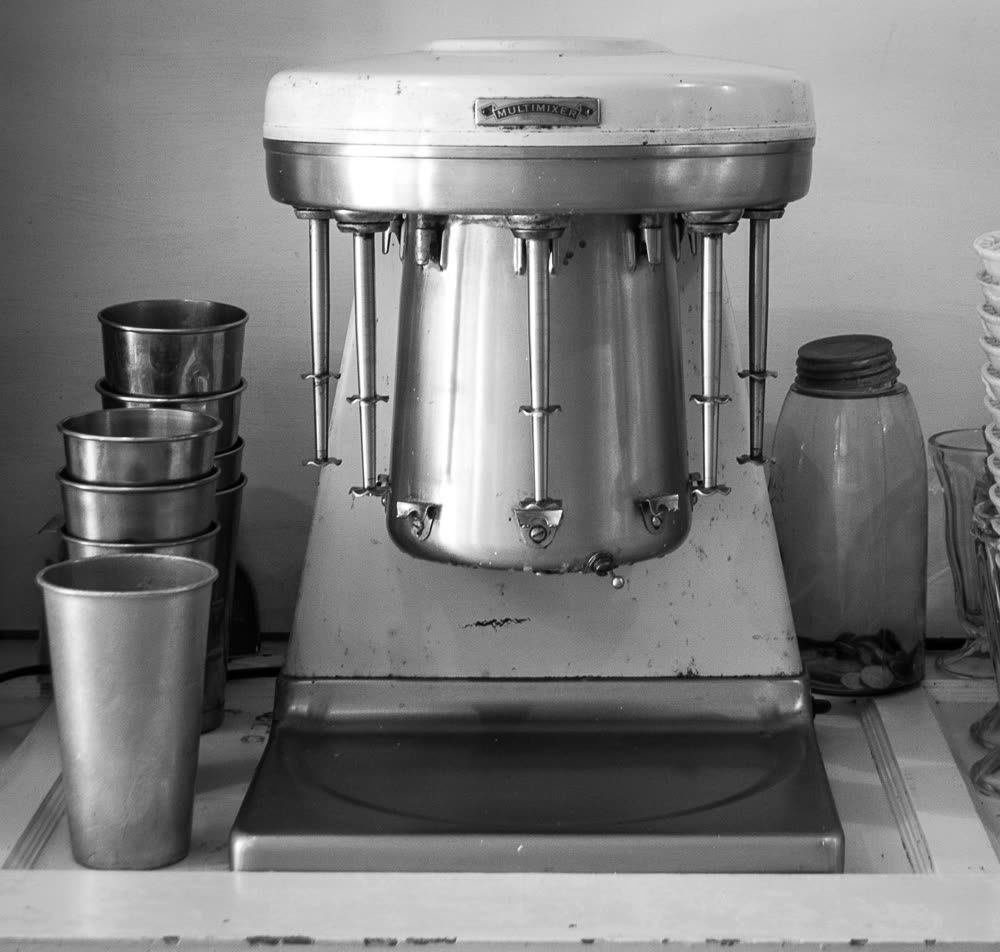
Who needed so many milkshakes? Kroc traveled to San Bernardino to see it with his own eyes. And he was fascinated: lines of people, lightning-fast food and everything perfectly organized.
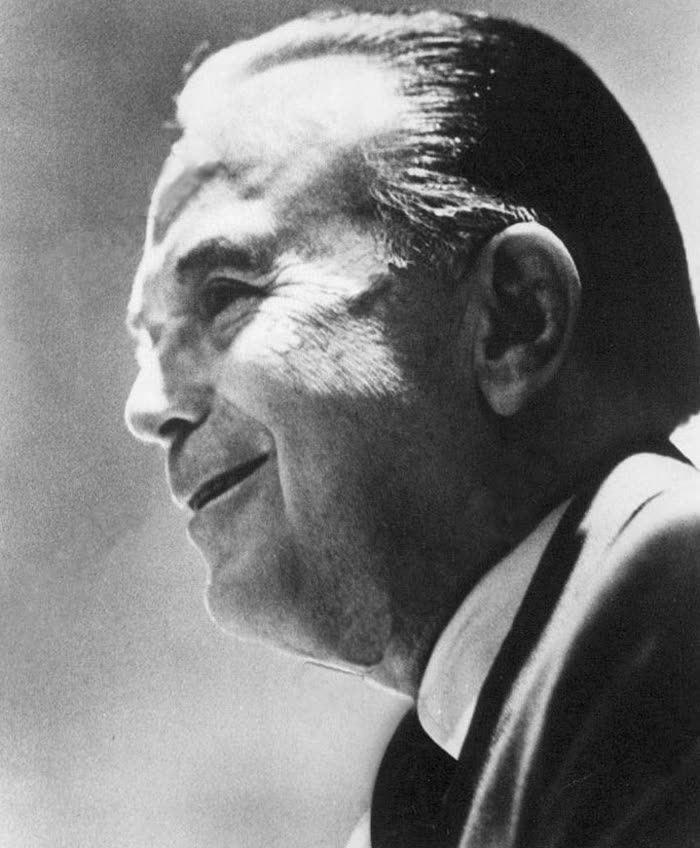
He convinced the brothers to let him sell franchises across the country. The deal was clear: Kroc collected 1.9% of each franchise's sales and, out of that, the brothers received 0.5%.
In 1955 he opened his first McDonald's in Des Plaines, Illinois.
The real business: the land
But the money wasn't coming in. With such small percentages, selling franchises barely made a profit.
Until a financier named Harry Sonneborn gave him the idea that changed everything: buy the land where the restaurants were built and lease it to the franchisees.
That way, McDonald's stopped being just a hamburger business. It also became a real estate business: every franchisee paid rent to the company, whether they sold a lot or a little.
The purchase and the promise that was never kept
Kroc wanted total control. In 1961 he bought the company from the brothers for 2.7 million dollars: a million each after taxes.
According to a nephew of the brothers, Kroc verbally promised to keep paying them 0.5% of sales. He never put it in writing, and it was never paid. It must be said clearly: there's no evidence beyond that testimony.
Today, that 0.5% of sales would be worth hundreds of millions of dollars a year.
Without their own surname
And there was something else. The brothers kept their original restaurant, but they could no longer use their own surname.
They renamed it "The Big M". Kroc opened a McDonald's very close by, and the brothers' restaurant closed a few years later.
Ray Kroc died in 1984, by then one of the richest men in the United States. For years he presented himself as the founder of McDonald's. His story reached the big screen in 2016, in a film fittingly called "The Founder".
This story is also a video
We tell it in a short video on our channel (in Spanish). Subscribe: there's a new story every week.
Watch the video on YouTubeNow it's your turn: was Ray Kroc a business genius, or did he take what wasn't his?
Tell us in the comments on the video.
Sources (in Spanish)
- Historia de la empresa y de los hermanos: Wikipedia, McDonald's, Richard y Maurice McDonald y Ray Kroc.
- Sistema de Servicio Rápido, el pedido de las ocho Multimixer y los acuerdos de franquicia: Smithsonian Magazine e History.com.
- Harry Sonneborn y el negocio de los terrenos: Wikipedia (Franchise Realty Corporation) y CNBC.
- Compra de 1961 por 2,7 millones y la promesa del 0,5 % según el sobrino Jason McDonald French: BBC y Business Insider.
- Restaurante «The Big M» y la película «El fundador» (2016): Wikipedia.
Photos are from Wikimedia Commons under free licenses; the author and license are shown under each image. Illustrations are our own. We don't use brand logos.