Translated from the original Spanish article. Read in Spanish
Monopoly is one of the most famous board games in the world: it's estimated that more than 275 million copies have been sold. But the man who became a millionaire from it didn't invent it.
A woman invented it. And for her idea she was paid about 500 dollars.
Lizzie Magie, inventor
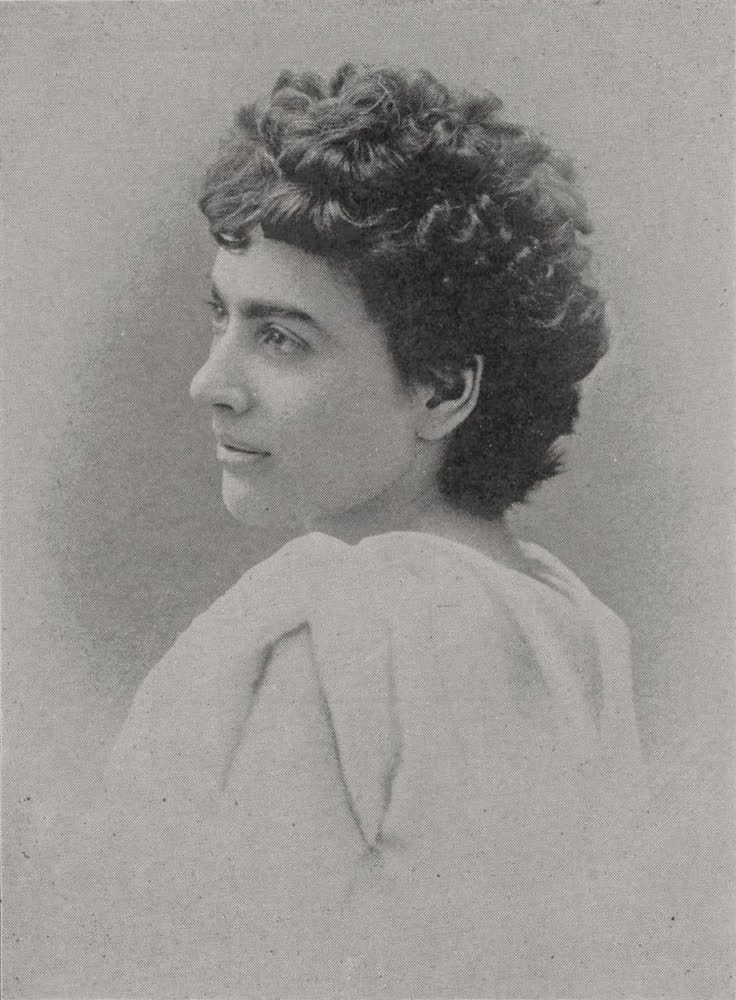
Elizabeth Magie, whom everyone called Lizzie, was born in the United States in 1866. She was a stenographer, a writer, an actress… and also an inventor.
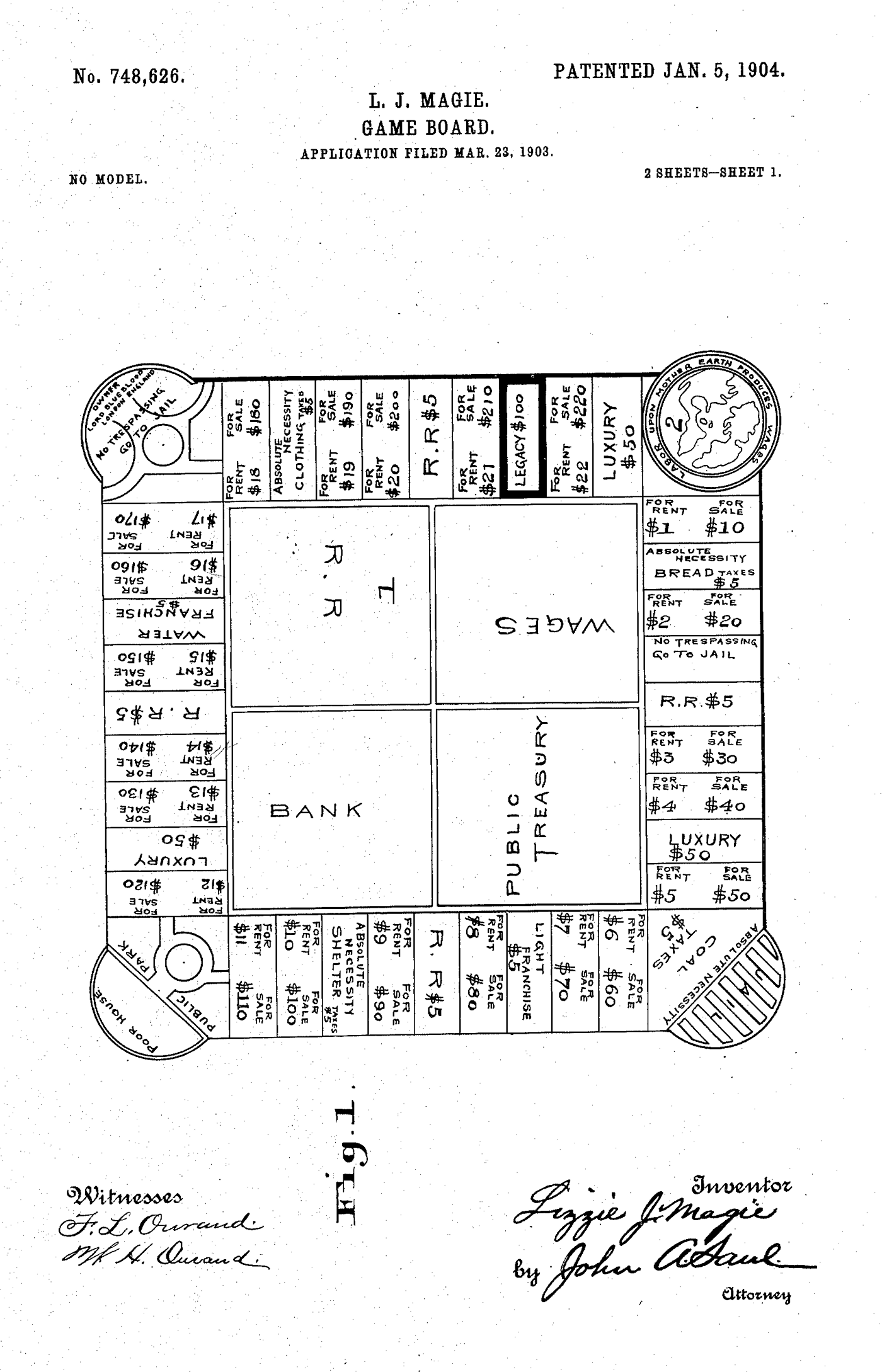
At a time when very few women held patents, in 1904 she obtained one for a board game: The Landlord's Game.
A game to teach
Her goal wasn't just to entertain, but to teach. She wanted to show that when a few people take all the property, everyone else ends up ruined.
That's why the game had two sets of rules: one in which everyone won when wealth was created, and another in which the goal was to create monopolies and ruin your rivals. Guess which one became popular.
A game copied by hand
For almost thirty years, the game was copied by hand. Students and groups of friends played it, and each changed something. It wasn't bought in a store: the board was drawn at home.
In Atlantic City, a community of Quakers named the squares after the streets of their city. Those names are still on the classic U.S. Monopoly.
Enter Charles Darrow
Charles Darrow was a salesman who had lost his job in the Great Depression. Some friends showed him that version of the game, and he copied the rules.
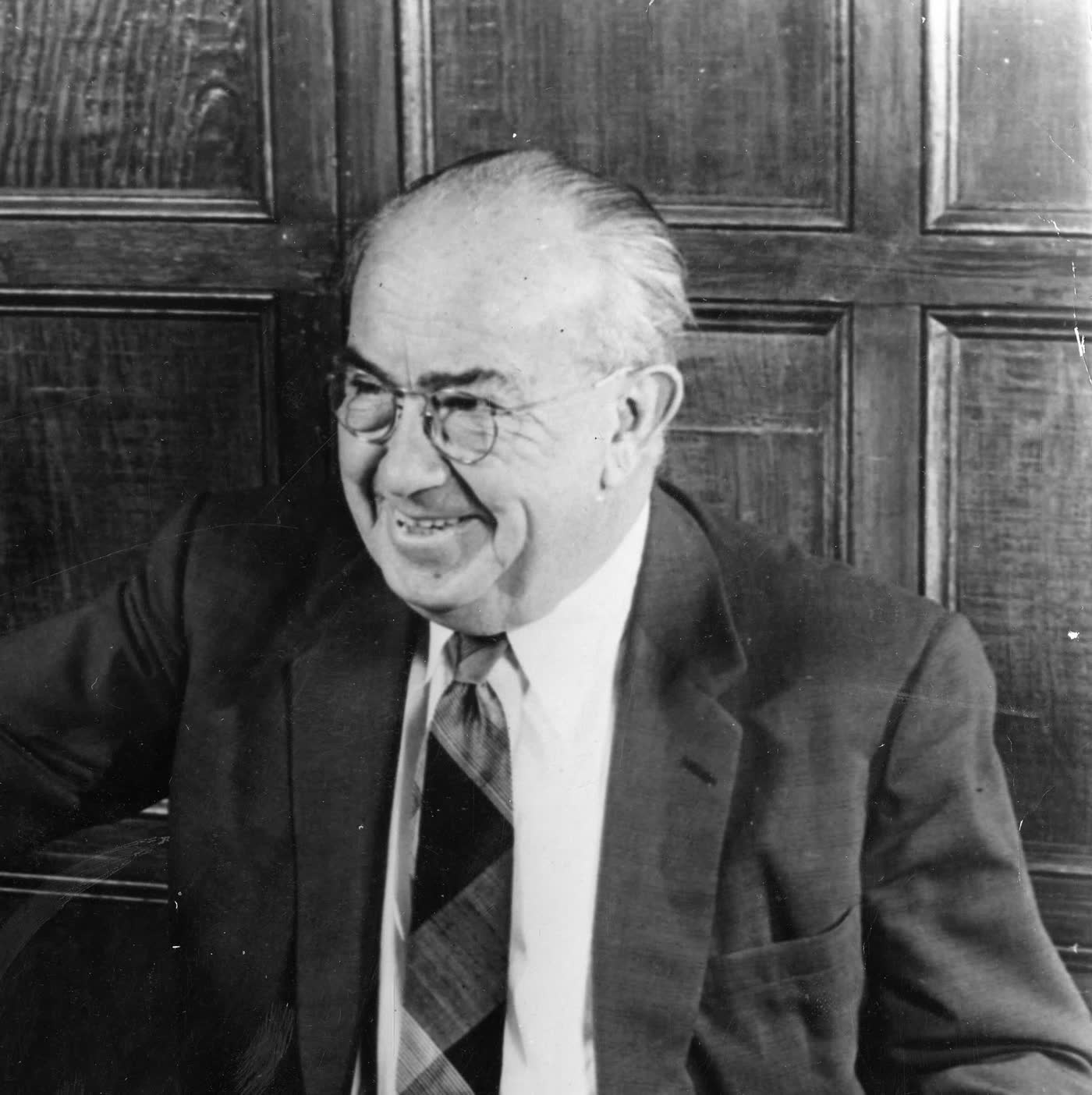
He sold it to the company Parker Brothers, and in 1935 it went on sale with a new name: Monopoly. And with Darrow as its inventor.
An instant success
The first year about 278,000 copies were sold, and the following year, more than 1.7 million. Darrow became a millionaire, and for decades his story was told: that of an unemployed man who invented a game in the middle of a crisis.
Parker Brothers also bought Lizzie's patent. According to most sources, they paid her about 500 dollars, and the credit stayed with Darrow.
Lizzie Magie was paid about 500 dollars for the patent on her game.
A woman who already denounced injustice
Lizzie already knew about injustice. Years earlier she had placed an ad in the newspaper offering herself for sale as a "slave", to denounce how few opportunities women had.
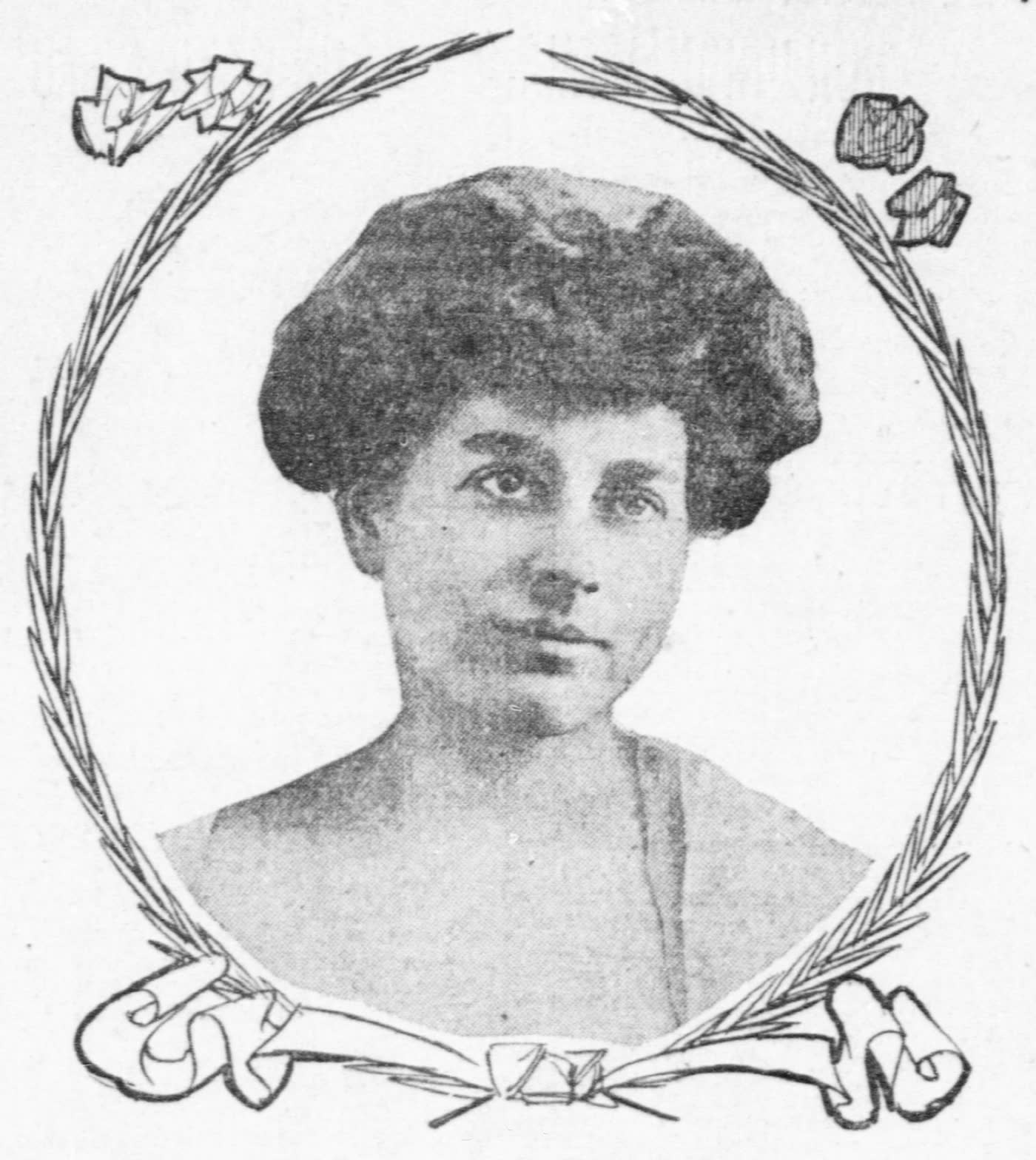
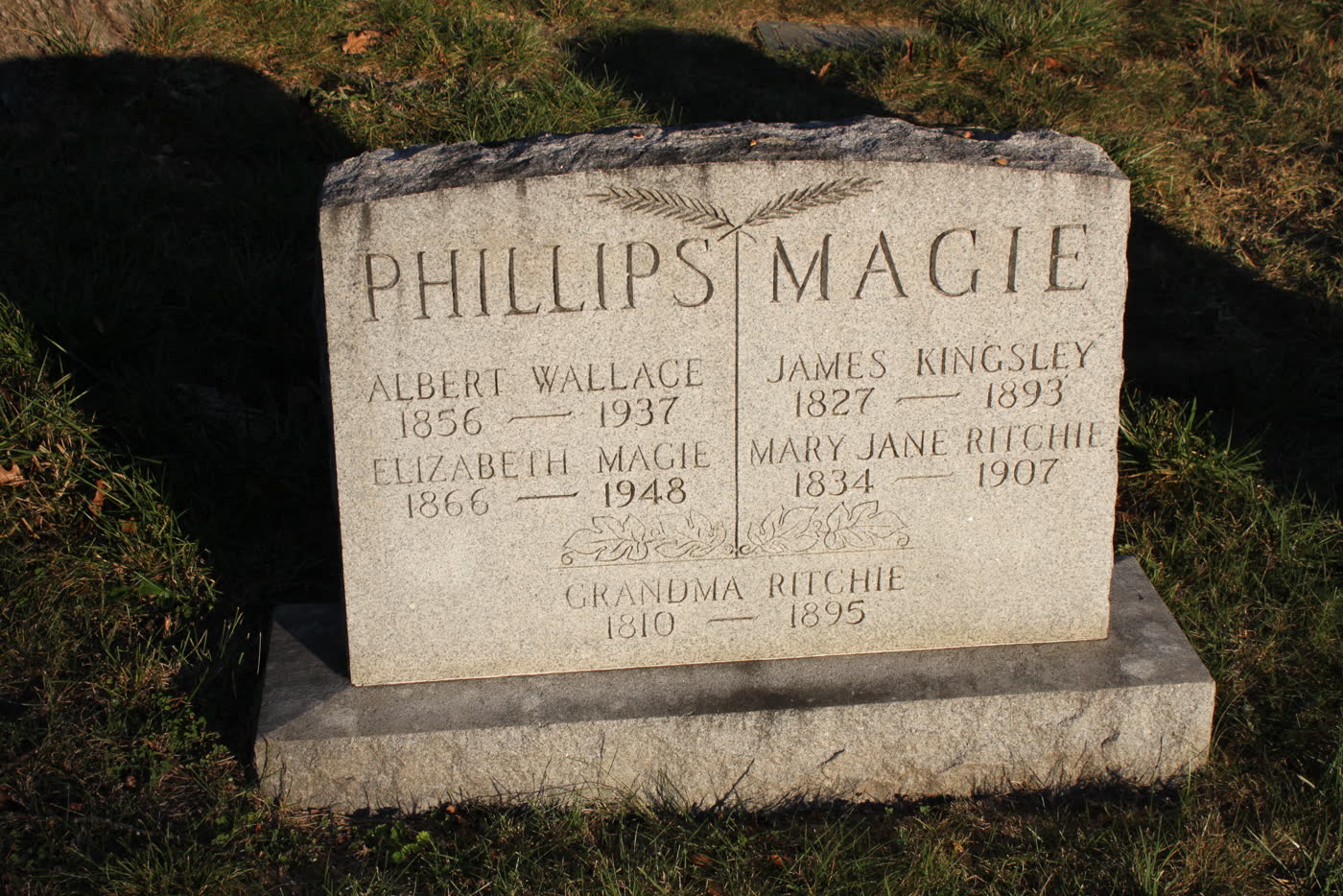
She died in 1948 with almost nobody knowing the idea for Monopoly was hers.
The truth comes out
Her name resurfaced in the 1970s, when an economics professor, Ralph Anspach, researched the game's origins to defend himself against a lawsuit over his own game: Anti-Monopoly.
A game created to warn against greed ended up making rich the man who took the idea.
This story is also a video
We tell it in a short video on our channel (in Spanish). Subscribe: there's a new story every week.
Watch the video on YouTubeWas Darrow a con man, or was he just smarter than her?
Tell us in the comments on the video.
Sources (in Spanish)
- Lizzie Magie y la patente de The Landlord's Game (US 748,626, 5 de enero de 1904): Wikipedia (Lizzie Magie, The Landlord's Game), National Women's History Museum y Parade.
- Versión de los cuáqueros de Atlantic City y Charles Darrow: Wikipedia (Monopoly), Smithsonian Magazine y Saturday Evening Post.
- Venta a Parker Brothers (1935), ventas del primer y segundo año y los unos 500 dólares pagados a Magie: Wikipedia, Women's History Museum y All That's Interesting.
- Anuncio en el que Magie se ofreció «en venta»: Smithsonian Magazine y All That's Interesting.
- Ralph Anspach y Anti-Monopoly: Wikipedia (Monopoly, Lizzie Magie).
- Más de 275 millones de copias vendidas: estimación citada por varios medios (la Biblioteca del Congreso de EE. UU. habló de más de 250 millones en 2010).
Photos are from Wikimedia Commons under free licenses; the author and license are shown under each image. Illustrations are our own. We don't use brand logos.