Translated from the original Spanish article. Read in Spanish
The world's best-selling car brand started out making weaving machines.
A son who wanted to help his mother
Japan, late 19th century. Sakichi Toyoda watched his mother weave by hand, for hours on end. And he became obsessed with making her work easier.
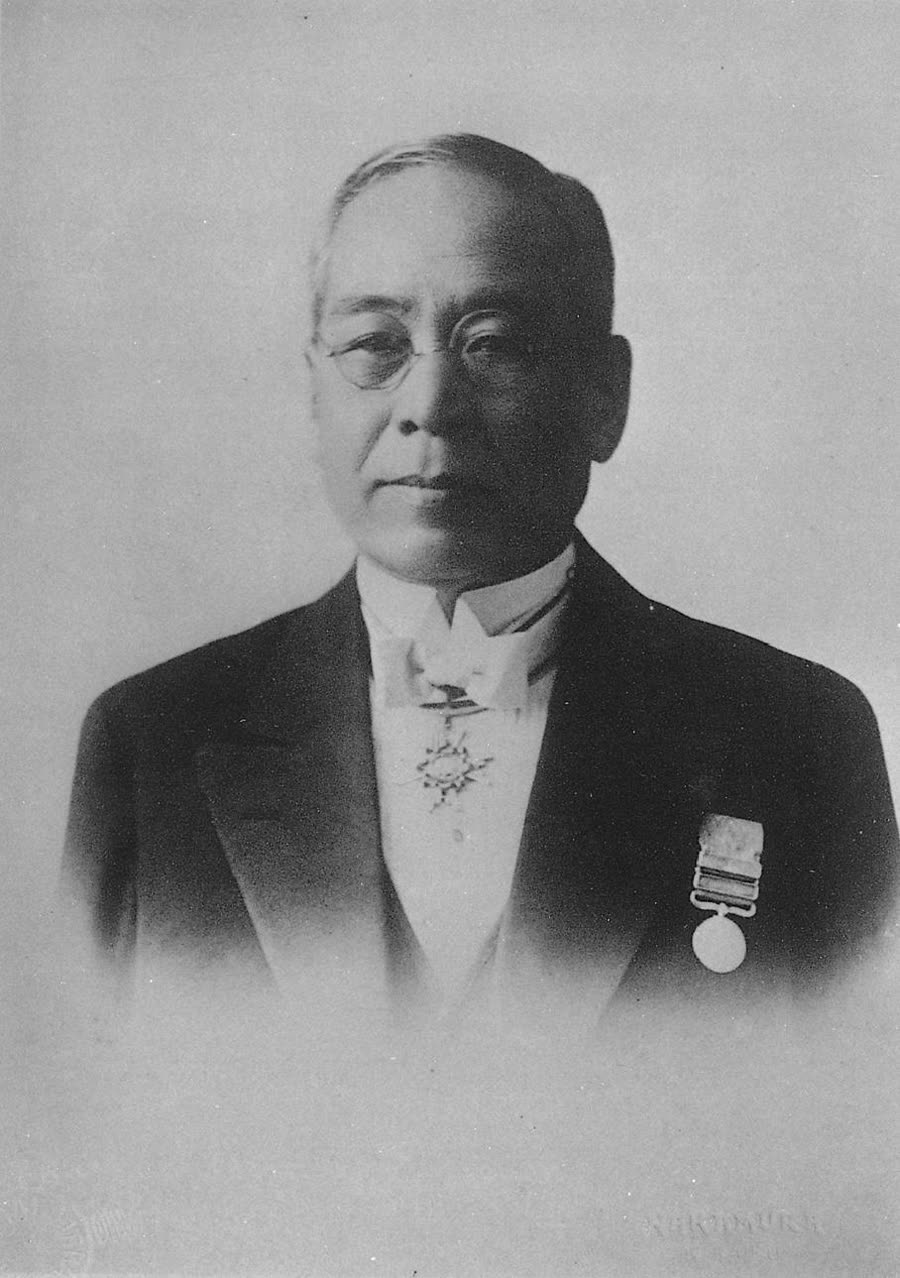
In 1891 he patented his first wooden loom. But his great invention came in 1924: the Type G automatic loom.
The machine that stopped by itself
The Type G had a brilliant trick: if a thread broke, the machine stopped by itself. That way, a single worker could watch many looms at once, without worrying about the cloth coming out flawed.
It was so good that, in 1929, an English company bought the patent rights for one hundred thousand pounds sterling.
In 1929, an English company paid £100,000 for the patent on Toyoda's loom.
From loom to car
His son, Kiichiro, had another dream: making cars. And the loom business helped pay for that dream.
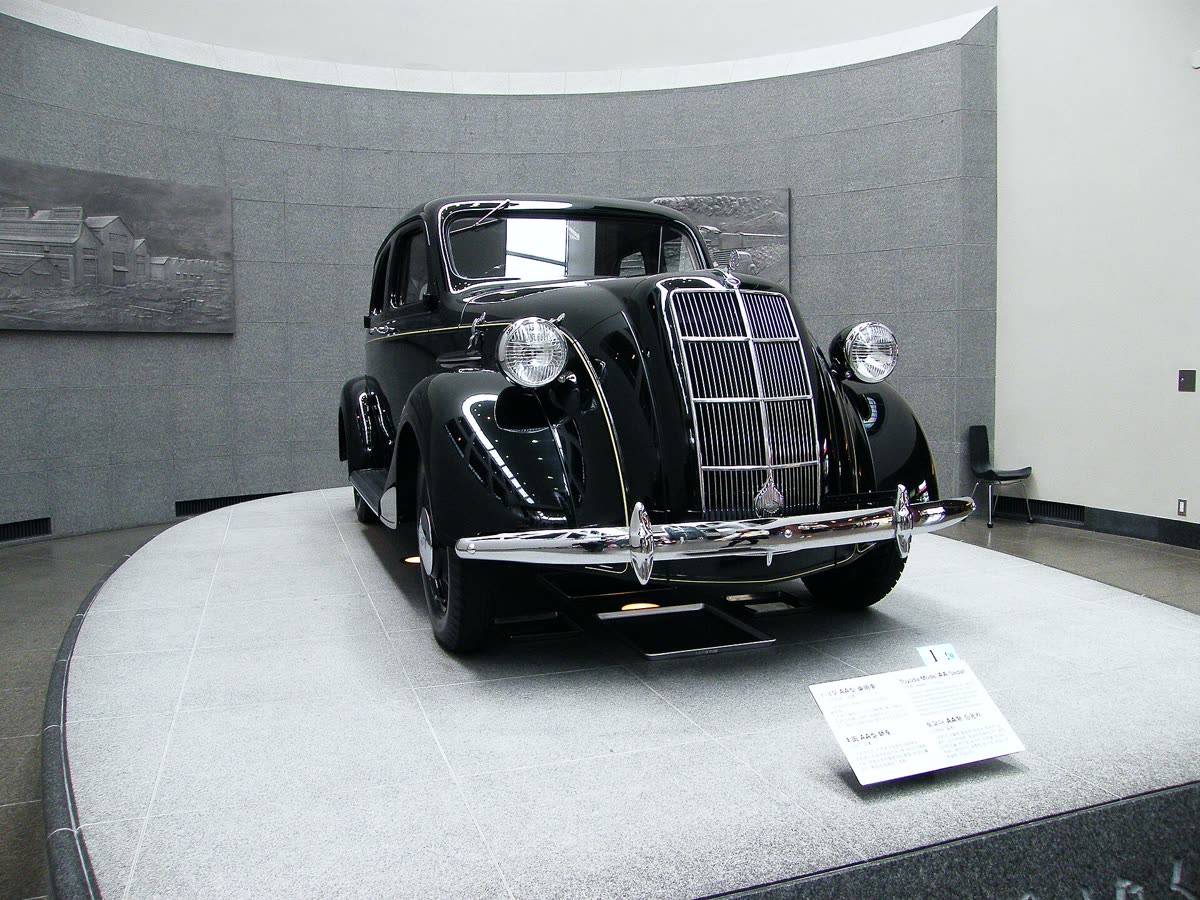
In 1936 their first passenger car came out: the Model AA. That same year they changed the brand name: from Toyoda… to Toyota. It's said this was because in Japanese it is written with eight strokes, a lucky number.
The idea of a machine that stops by itself when something goes wrong lives on: today it's one of the pillars of the company's way of manufacturing.
From weaving cloth… to selling more than ten million vehicles a year.
This story is also a video
We tell it in a short video on our channel (in Spanish). Subscribe: there's a new story every week.
Watch the video on YouTubeWould you leave a business that works to bet on something completely new?
Tell us in the comments on the video.
Sources (in Spanish)
- Historia de la empresa y del Modelo AA: Wikipedia, Toyota.
- Sakichi Toyoda y el telar Tipo G: Wikipedia, Sakichi Toyoda.
Photos are from Wikimedia Commons under free licenses; the author and license are shown under each image. Illustrations are our own. We don't use brand logos.