Translated from the original Spanish article. Read in Spanish
An engineer who barely went to school, a chemist who didn't wash his hands and a very messy laboratory. That's how some of the inventions you use every day were born.
None of them was being looked for: they were all accidents. And one of them has saved more lives than almost any other invention in history.
1. The microwave and the chocolate bar
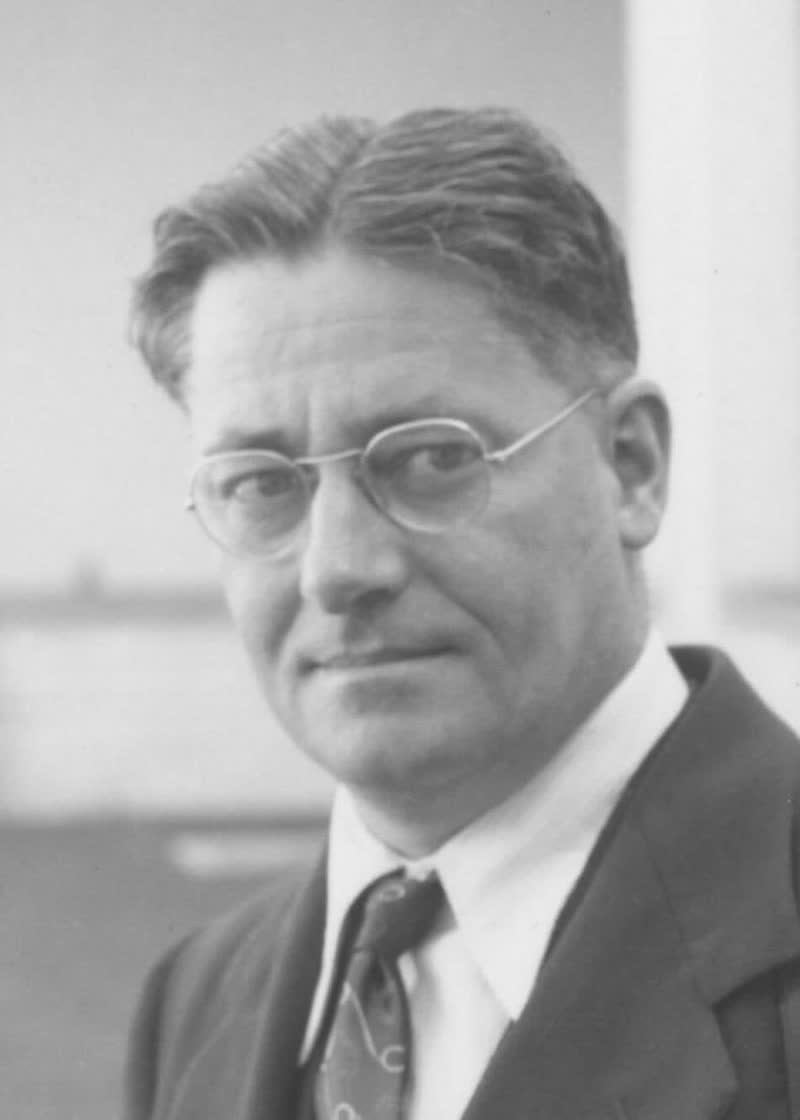
1945, United States. Percy Spencer works at Raytheon, a company that makes parts for military radars. Spencer left school as a child and taught himself everything.
One day, next to a magnetron —the part that generates radar waves—, he notices something strange: the chocolate bar in his pocket has melted.
Anyone else would have complained. He got curious. He brought corn… and the popcorn started popping. Then he tried an egg… and it exploded in a colleague's face.
That's how the microwave oven was born. The first one was almost two meters tall, weighed more than three hundred kilos and cost about five thousand dollars at the time. Today it's in almost every kitchen.
2. Saccharin and unwashed hands
1879. The chemist Constantin Fahlberg works at Johns Hopkins University with coal tar derivatives.
That night he sits down to dinner without washing his hands properly… and the bread tastes sweet. Very sweet. He rushed back to the lab and tasted —yes, tasted— everything on his bench until he found the culprit.
That's how he discovered saccharin, the first artificial sweetener.
3. Rubber and a hot stove
You've surely seen the name Goodyear on a tire. But Charles Goodyear never made a tire.
In the 19th century rubber was a disaster: in the heat it turned sticky and in the cold it cracked. Goodyear became obsessed with fixing it and went broke trying. He even ended up in jail for debt.
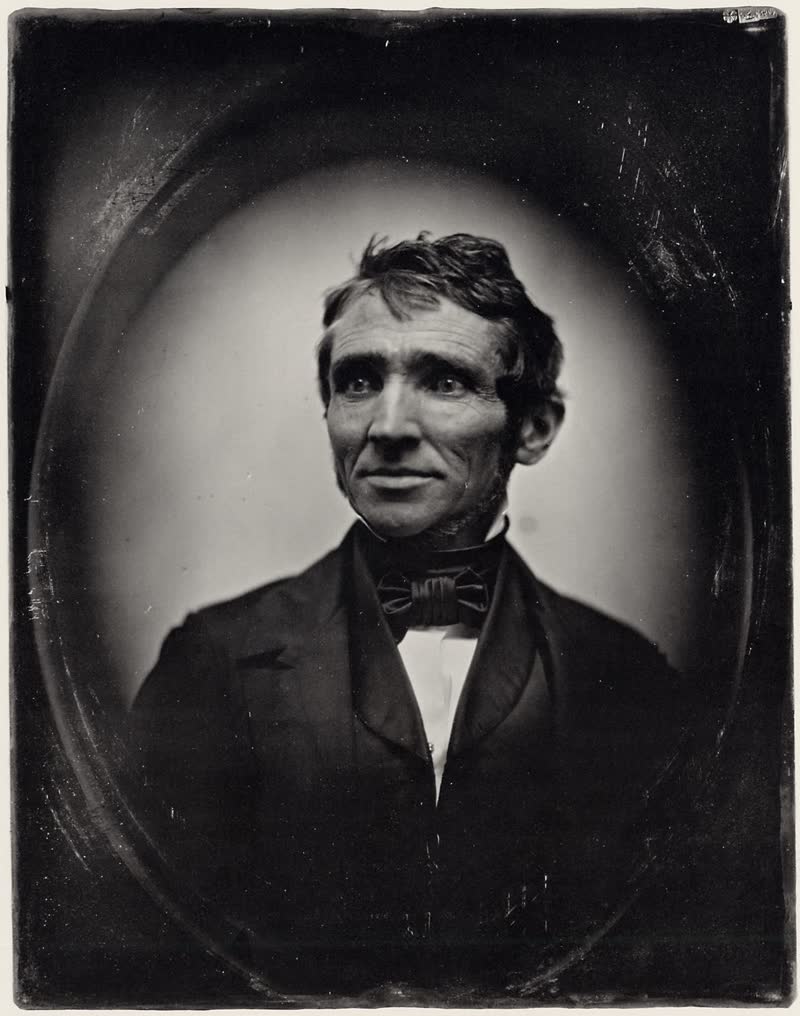
In 1839, a mixture of rubber and sulfur touched a hot stove. Instead of melting, it hardened… and stayed flexible. It was vulcanized rubber, the kind used today in tires, shoe soles and thousands of other things.
Goodyear died in 1860, deep in debt. The famous tire company was founded in 1898, almost forty years later, and took his name as a tribute.
Charles Goodyear never made a tire: the company took his name in his honor, almost 40 years after his death.
4. X-rays and a glowing screen
November 1895, Germany. Wilhelm Röntgen is experimenting with a cathode ray tube covered in black cardboard. Suddenly, a screen on the other side of the room starts to glow: something invisible was passing through the cardboard.
He called it X-rays, because he didn't know what it was. Weeks later he made one of the first X-ray images in history: his wife Anna Bertha's hand, with her ring. It's said that when she saw it, she said: "I have seen my death."
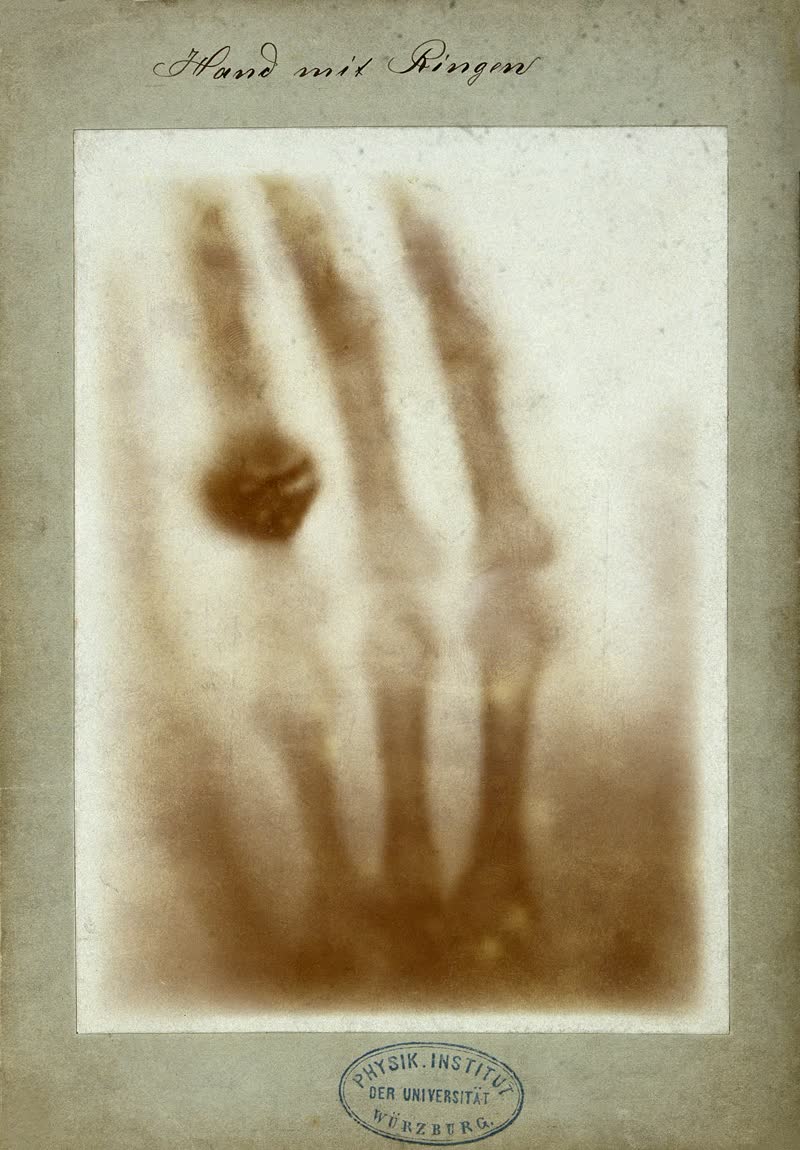
Röntgen won the first Nobel Prize in Physics and refused to patent his discovery. He wanted it to belong to everyone.
5. The superglue that "didn't work"
1942, in the middle of World War II. Harry Coover, in a Kodak lab, is looking for a clear plastic for gun sights. He finds a substance that's useless for that… because it sticks to everything. He discards it.
Years later he rediscovers it and realizes that the flaw was the product itself. It went on sale in 1958: today we know it as Super Glue.
6. The Post-it and a hymn book
1968. Spencer Silver, a chemist at the company 3M, tries to create a very strong adhesive. He gets exactly the opposite: one that sticks lightly and peels off without leaving a mark. For years, nobody knew what it was good for.
Until Art Fry, a colleague who sang in his church choir, got tired of his bookmarks falling out of his hymn book. He put Silver's adhesive on them… and it worked. The Post-it reached stores across the United States in 1980.
And why is it yellow? Because the only paper they had on hand in the lab next door was yellow.
7. A heart drug with an unexpected effect
In the early 1990s, in the United Kingdom, the drugmaker Pfizer is testing a drug called sildenafil for chest pain caused by heart problems.
It didn't work so well for the heart. But the volunteers reported a very… unexpected side effect. Pfizer changed plans and, in 1998, the United States approved Viagra.
The one that has saved the most lives: penicillin
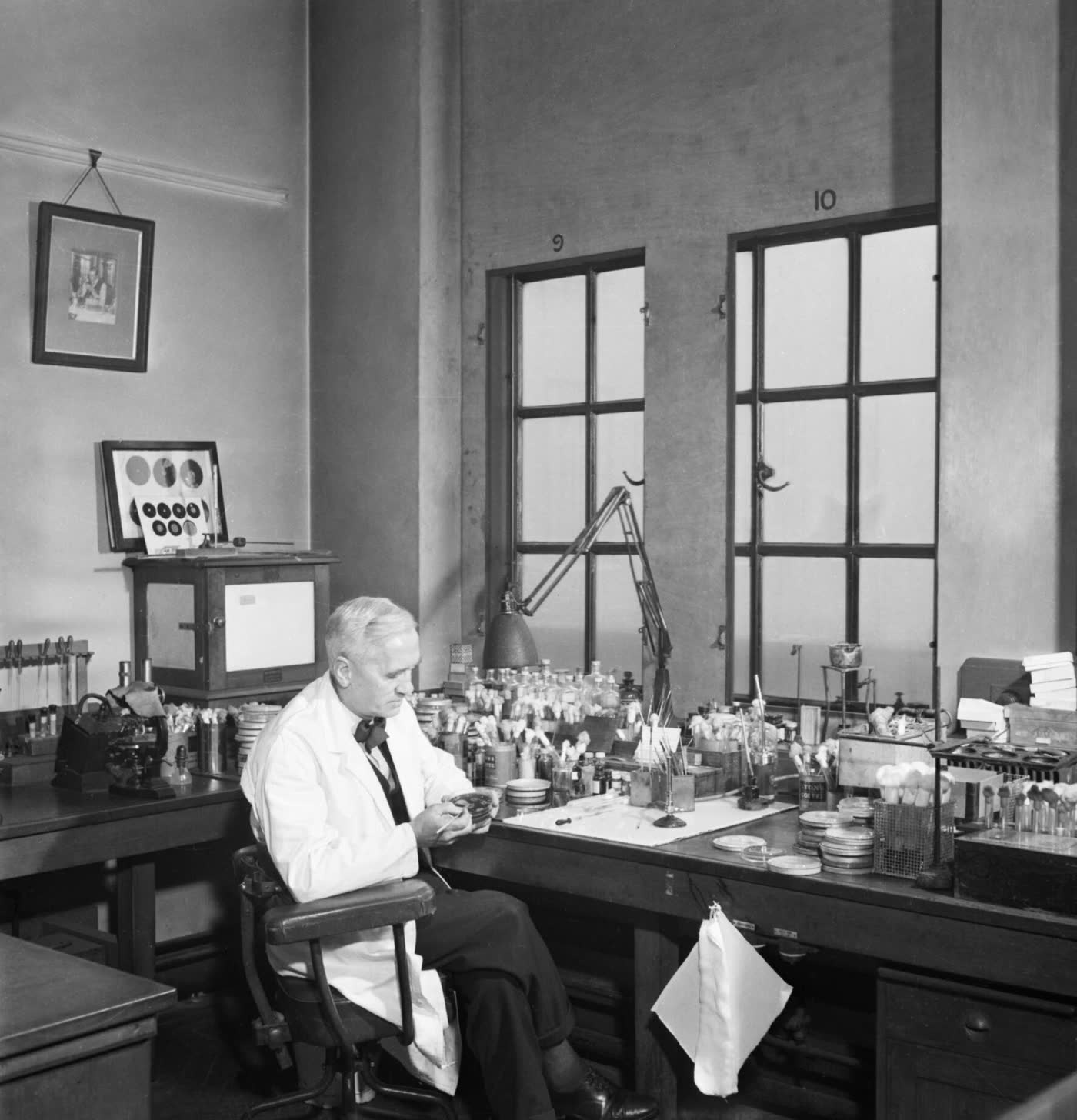
September 1928, London. Alexander Fleming returns from vacation to his laboratory, famous for being messy. Before leaving he had left some plates with bacteria uncleaned.
On one of them a mold had grown… and around the mold, the bacteria were dead. From that mold came penicillin, the first antibiotic.
Years later, Howard Florey and Ernst Chain managed to produce it in large quantities, just in time for World War II. The three shared the Nobel Prize in 1945.
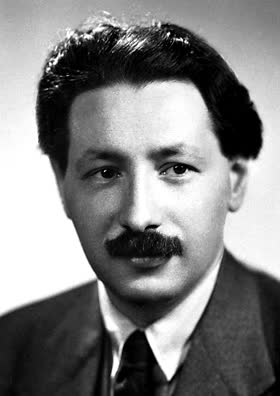
Before penicillin, a wound or a simple infection could kill you. Since then, antibiotics have saved millions upon millions of lives. And all because a scientist didn't clean his bench before going on vacation.
Sometimes the biggest mistake is the beginning of the most important invention.
This story is also a video
We tell it in a short video on our channel (in Spanish). Subscribe: there's a new story every week.
Watch the video on YouTubeWhich of these inventions do you think changed the world the most? And which one couldn't you live without?
Tell us in the comments on the video.
Sources (in Spanish)
- Percy Spencer y el microondas: Wikipedia, APS News e History.com.
- Sacarina (Fahlberg, Johns Hopkins): Wikipedia y To-day in Science.
- Charles Goodyear y el caucho vulcanizado: Encyclopedia.com y Wikipedia (Goodyear Tire & Rubber).
- Röntgen y los rayos X: PBS NewsHour y Oficina Alemana de Patentes (DPMA).
- Harry Coover y el Super Glue: Wikipedia y Lemelson-MIT.
- Post-it: 3M (historia oficial) y MNopedia.
- Sildenafilo: Nature Reviews Drug Discovery.
- Penicilina: Science History Institute y Wikipedia.
Photos are from Wikimedia Commons under free licenses; the author and license are shown under each image. Illustrations are our own. We don't use brand logos.