Translated from the original Spanish article. Read in Spanish
It's estimated that Rolex sells more than a million watches a year. But it has something almost no big brand has: it has no owner. No shareholders, no stock market, no billionaire behind it.
This is the story of how an orphan created Rolex and gave it to a foundation.
A German orphan
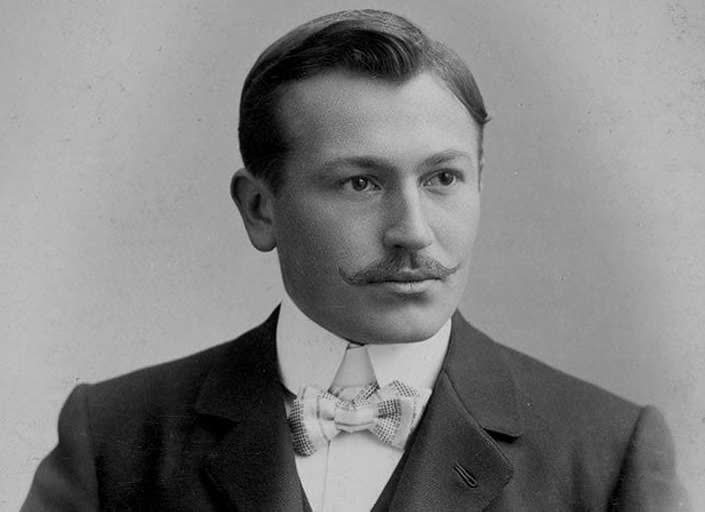
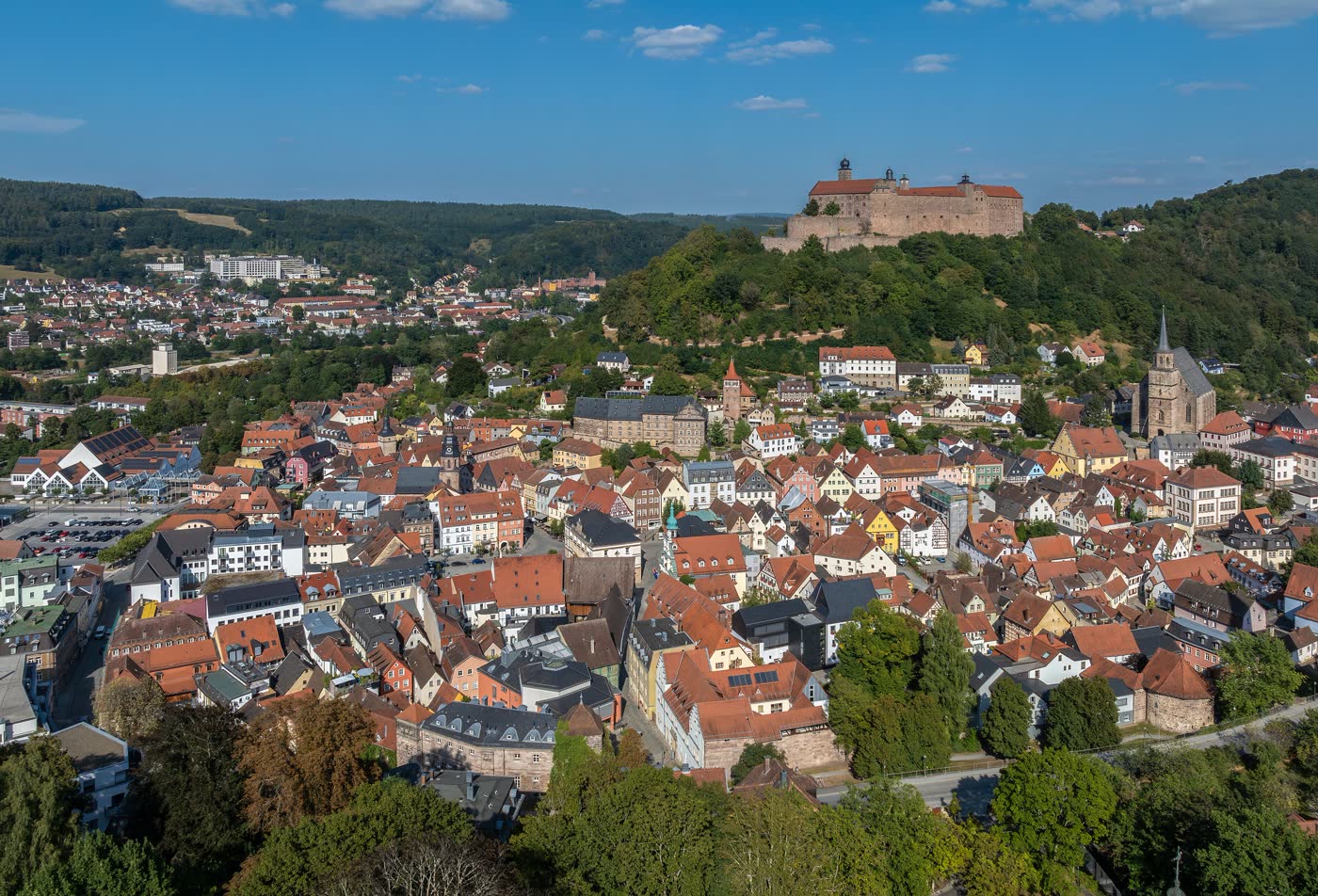
Hans Wilsdorf was born in 1881 in Kulmbach, Germany. By the age of twelve he had lost both his father and his mother, and he was raised by an uncle.
As a young man he worked for a watch company in Switzerland, and in 1905, in London, he founded a company with his brother-in-law Alfred Davis called Wilsdorf & Davis.
A bet on the wristwatch
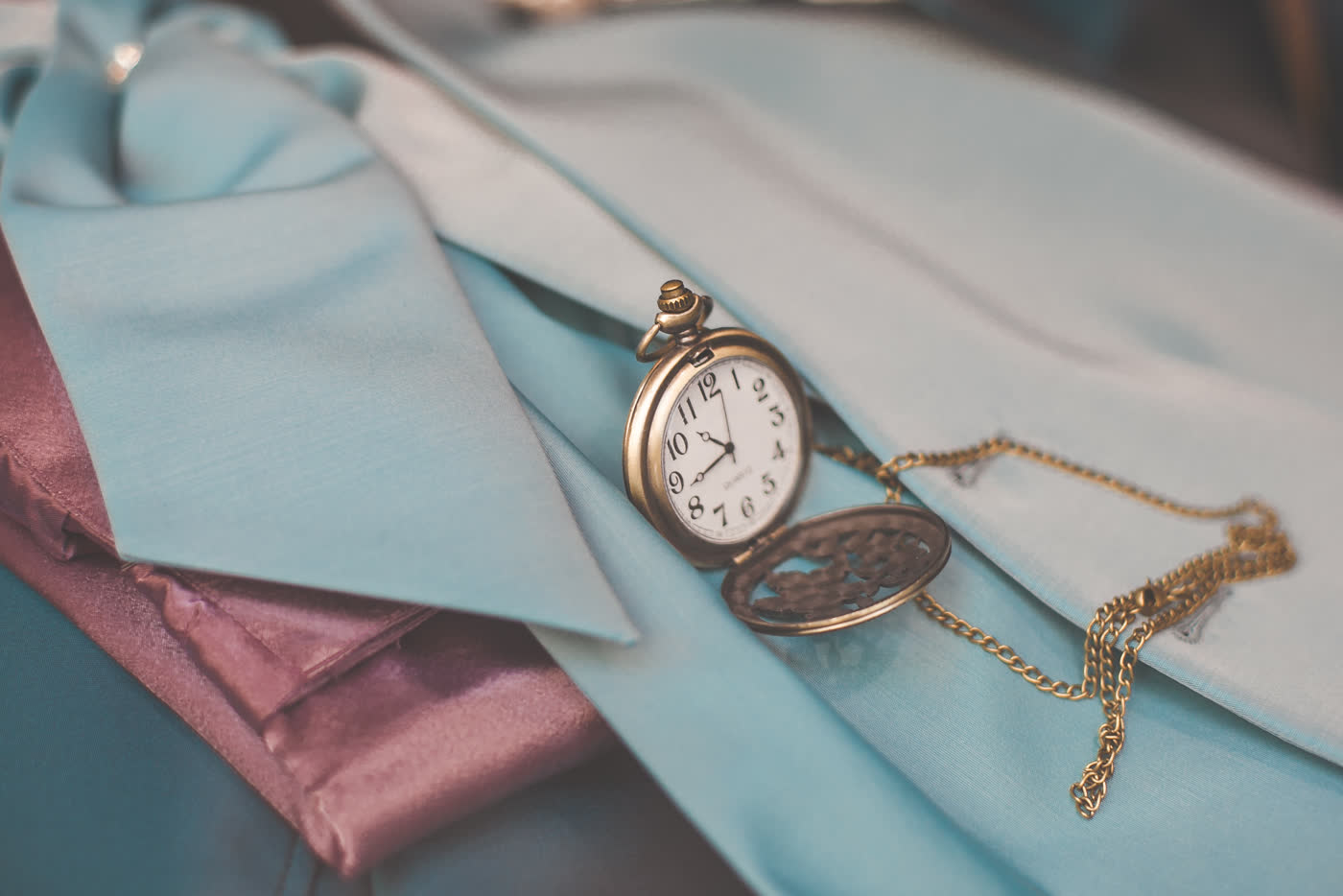
At the time, men used pocket watches. The wristwatch was seen as women's jewelry, and not very accurate either.
Wilsdorf bet on exactly that: wristwatches for everyone, as accurate as pocket watches.
A short name
He needed a name. In 1908 he registered "Rolex": short, easy to pronounce in any language, and it fit on the dial. He said it came to him while riding a London bus.
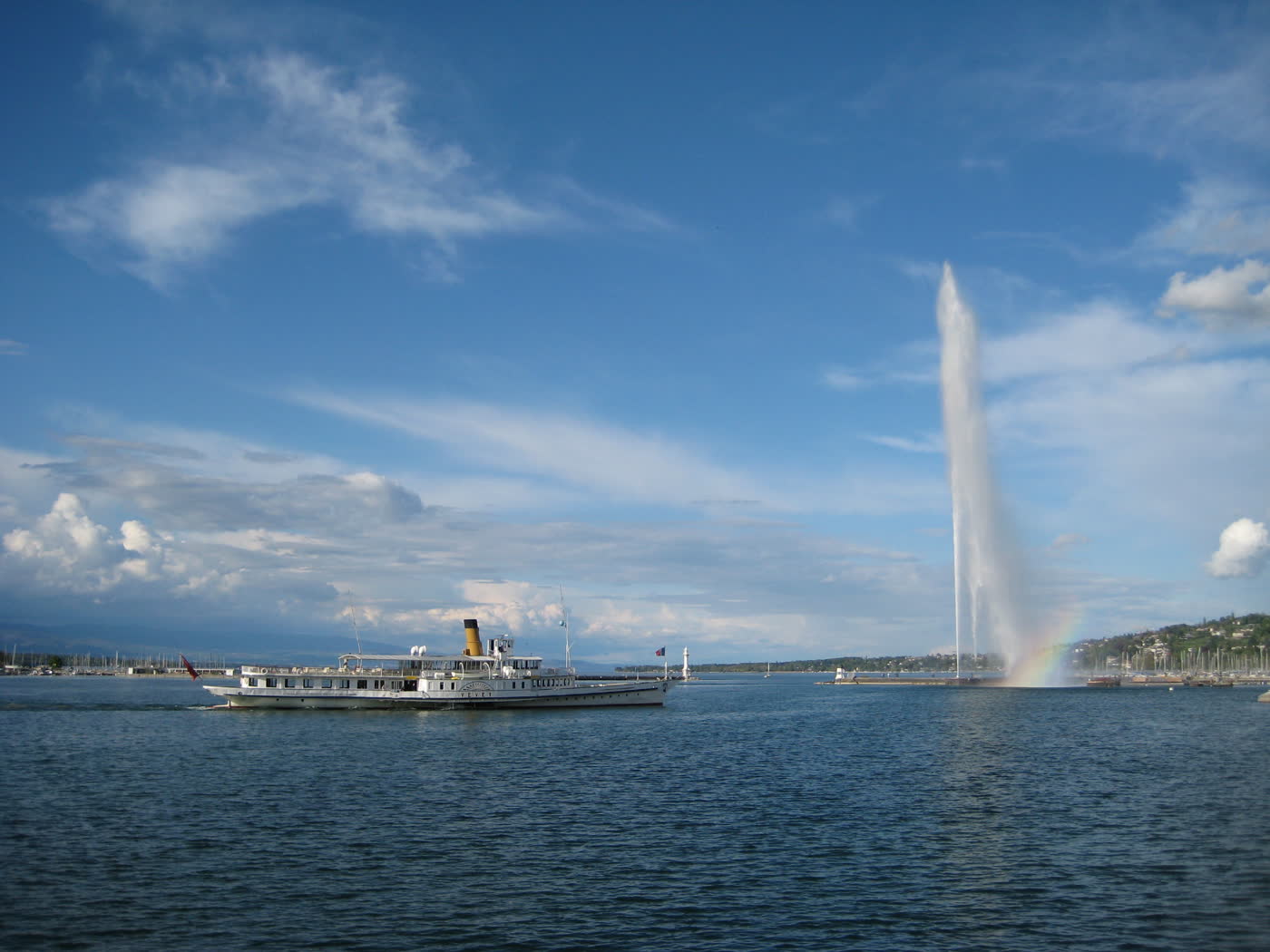
World War I brought high taxes on imported luxury goods, and the company ended up moving to Geneva, Switzerland, in 1919.
The Oyster and the swimmer
In 1926, Rolex unveiled the Oyster: a case sealed like an oyster, which let in neither water nor dust.
To prove it, in 1927 swimmer Mercedes Gleitze attempted to cross the English Channel with an Oyster hanging around her neck. She spent more than ten hours in the water, and the watch kept working.
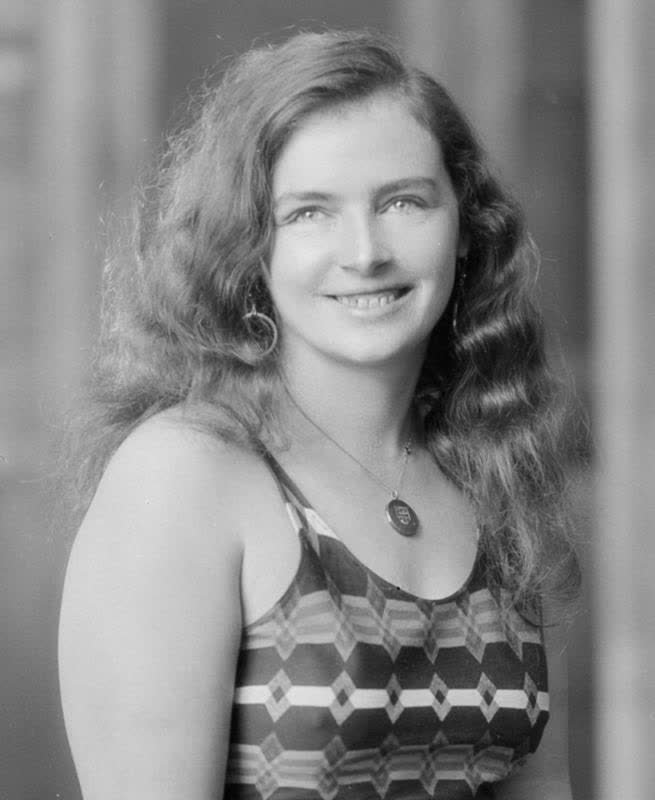
Wilsdorf bought a full page in the Daily Mail newspaper to tell the story. It was one of the first big advertising campaigns featuring an athlete.
No children, and a foundation
In 1944, Wilsdorf's wife Florence died. They had no children.
A year later, he created the Hans Wilsdorf Foundation. And when he died, in 1960, he left it all his Rolex shares.
Since 1960, the Hans Wilsdorf Foundation has owned 100% of Rolex.
Since then, the foundation has owned the entire company. Rolex isn't listed on the stock market, has no shareholders and doesn't publish how many watches it sells or how much it earns.
What's estimated
Everything known is an estimate. According to Morgan Stanley and the consultancy LuxeConsult, in 2023 it sold about 1.2 million watches and had revenues of more than 10 billion Swiss francs.
The profits don't go to any owner: they stay in the company or are used by the foundation, which also supports social causes.
The advantage of having no owner
Without shareholders demanding more profit every year, Rolex can make fewer watches than people want to buy. That's why there are waiting lists, and why some models resell for more than they cost new.
A German orphan created the most famous watch brand in the world, and decided that nobody would keep it for themselves.
This story is also a video
We tell it in a short video on our channel (in Spanish). Subscribe: there's a new story every week.
Watch the video on YouTubeIs a Rolex worth what it costs, or are you just paying for the name?
Tell us in the comments on the video.
Sources (in Spanish)
- Vida de Hans Wilsdorf, fundación en Londres (1905), nombre Rolex (1908) y traslado a Ginebra (1919): Wikipedia (Hans Wilsdorf, Rolex) y Bob's Watches.
- Fundación Hans Wilsdorf (1945) y herencia de las acciones (1960): Wikipedia (Hans Wilsdorf Foundation).
- Rolex sin accionistas ni cotización en bolsa: Wikipedia, Bob's Watches y Crown Watch Group.
- Oyster (1926), travesía de Mercedes Gleitze (1927) y anuncio en el Daily Mail: Sotheby's vía Forbes Argentina y Bloomberg Línea.
- Ventas estimadas (unos 1,24 millones de relojes y más de 10.000 millones de francos en 2023): Morgan Stanley y LuxeConsult vía Quill & Pad e IDEX. Rolex no publica sus cifras.
Photos are from Wikimedia Commons under free licenses; the author and license are shown under each image. Illustrations are our own. We don't use brand logos.