Translated from the original Spanish article. Read in Spanish
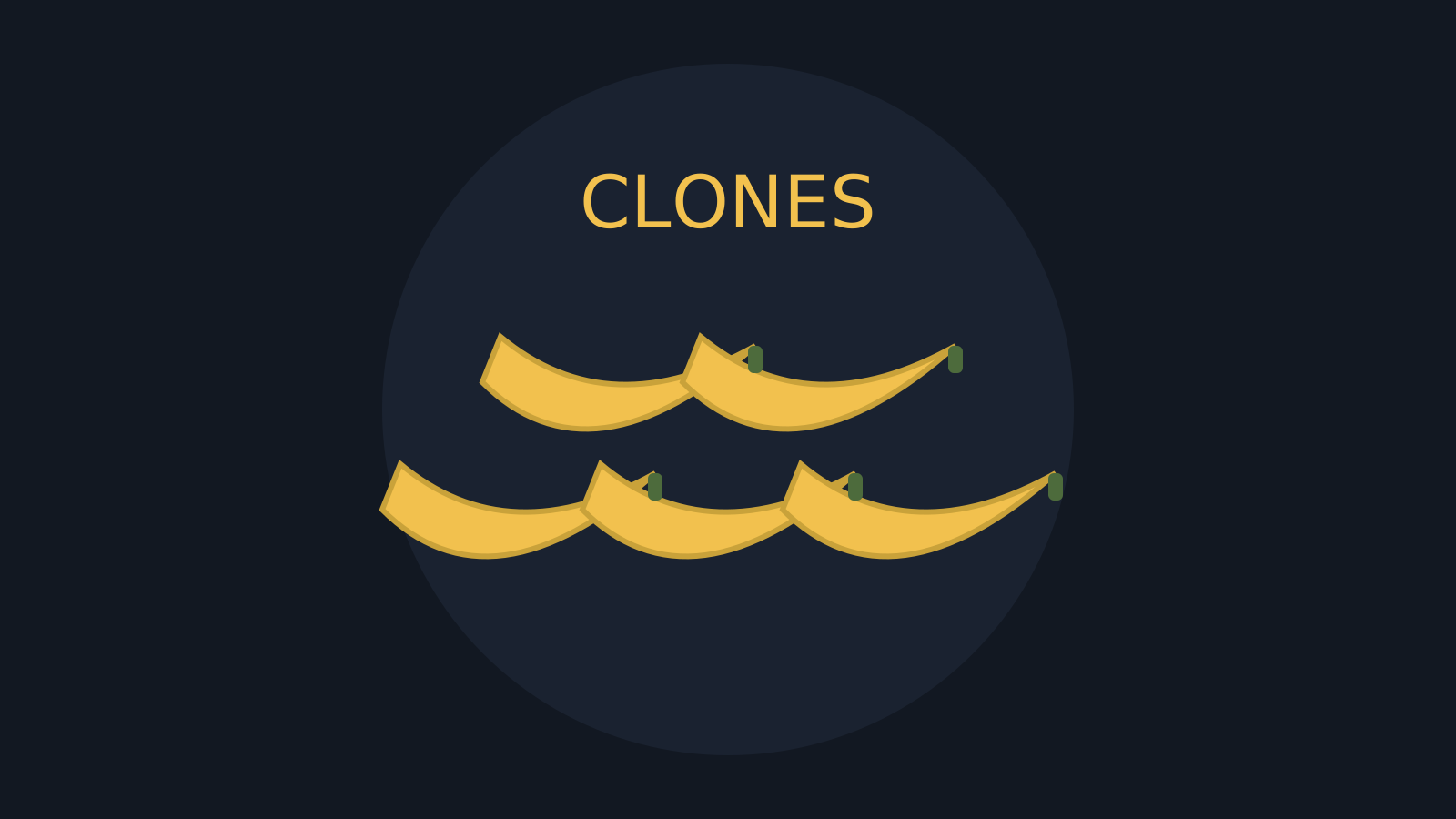
The banana you ate today… is a clone. Identical to millions of others all over the world.
The Cavendish
It's called Cavendish, and it makes up the vast majority of exported bananas. It has no seeds, so it can't reproduce on its own: every plant grows from a piece of another one.
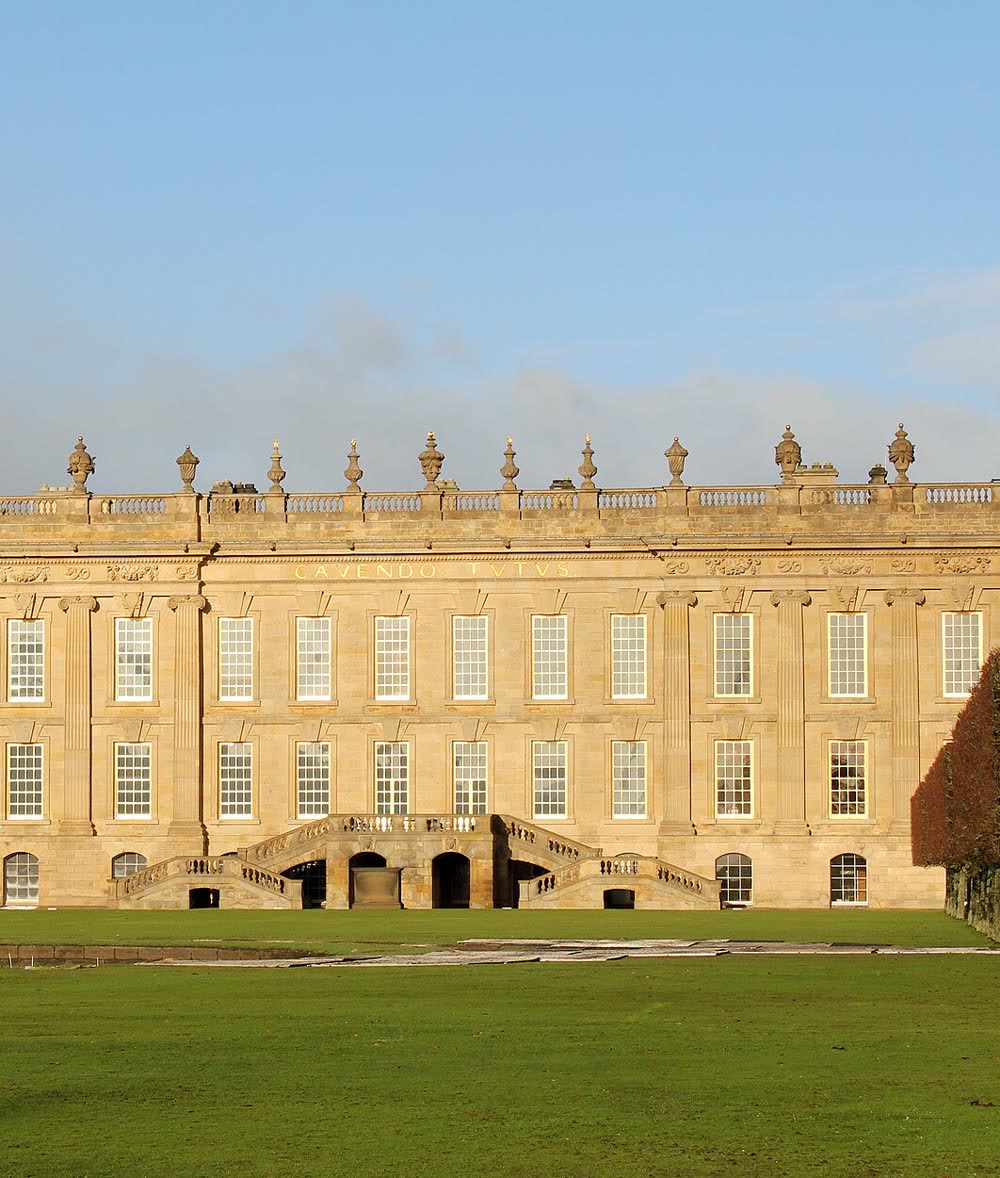
Its name comes from an English duke, William Cavendish. His gardener, Joseph Paxton, grew it in a greenhouse at Chatsworth mansion around 1834.
The banana that almost disappeared
Before, the star banana was a different one: the Gros Michel, bigger and, they say, tastier. It was also a clone. And in the 1950s, a fungus, Panama disease, almost wiped it out of the market.
That's why the world switched to the Cavendish, which resisted that fungus.
The problem with being all the same
If all the plants are the same, a single enemy can attack them all. And that enemy already exists: a new strain of the same fungus, called TR4.
It has already reached Asia, Africa and Australia… and in 2019 it appeared in Colombia, for the first time in the Americas. Colombia declared a national emergency.
A single disease can affect every Cavendish, because genetically they are the same plant.
A myth
You've probably heard it: that the banana flavor in candy comes from the Gros Michel. It doesn't: that artificial flavor was already being sold in the 1850s, before that banana became famous.
This story is also a video
We tell it in a short video on our channel (in Spanish). Subscribe: there's a new story every week.
Watch the video on YouTubeDo you think the banana we know is going to disappear?
Tell us in the comments on the video.
Sources (in Spanish)
- Banana Cavendish, su origen en Chatsworth y su peso en las exportaciones: Wikipedia, Cavendish (banana).
- Gros Michel y el mal de Panamá: Wikipedia, Gros Michel.
- TR4 en Colombia (8 de agosto de 2019): Instituto Colombiano Agropecuario (ICA).
- Origen del sabor artificial a banana (acetato de isoamilo): Wikipedia, Isoamyl acetate.
Photos are from Wikimedia Commons under free licenses; the author and license are shown under each image. Illustrations are our own. We don't use brand logos.