Translated from the original Spanish article. Read in Spanish
Imagine winning your freedom in a war… and then being forced to pay for it. That's what happened to Haiti.
In [part one](haiti-1.html) we saw how the enslaved people of the world's richest colony defeated Napoleon and founded Haiti in 1804. This is part two.
Free, but alone
Haiti was free, but it was alone. No power recognized it as a country. France wanted its colony back, and other countries feared the rebellion would spread to their own enslaved people.
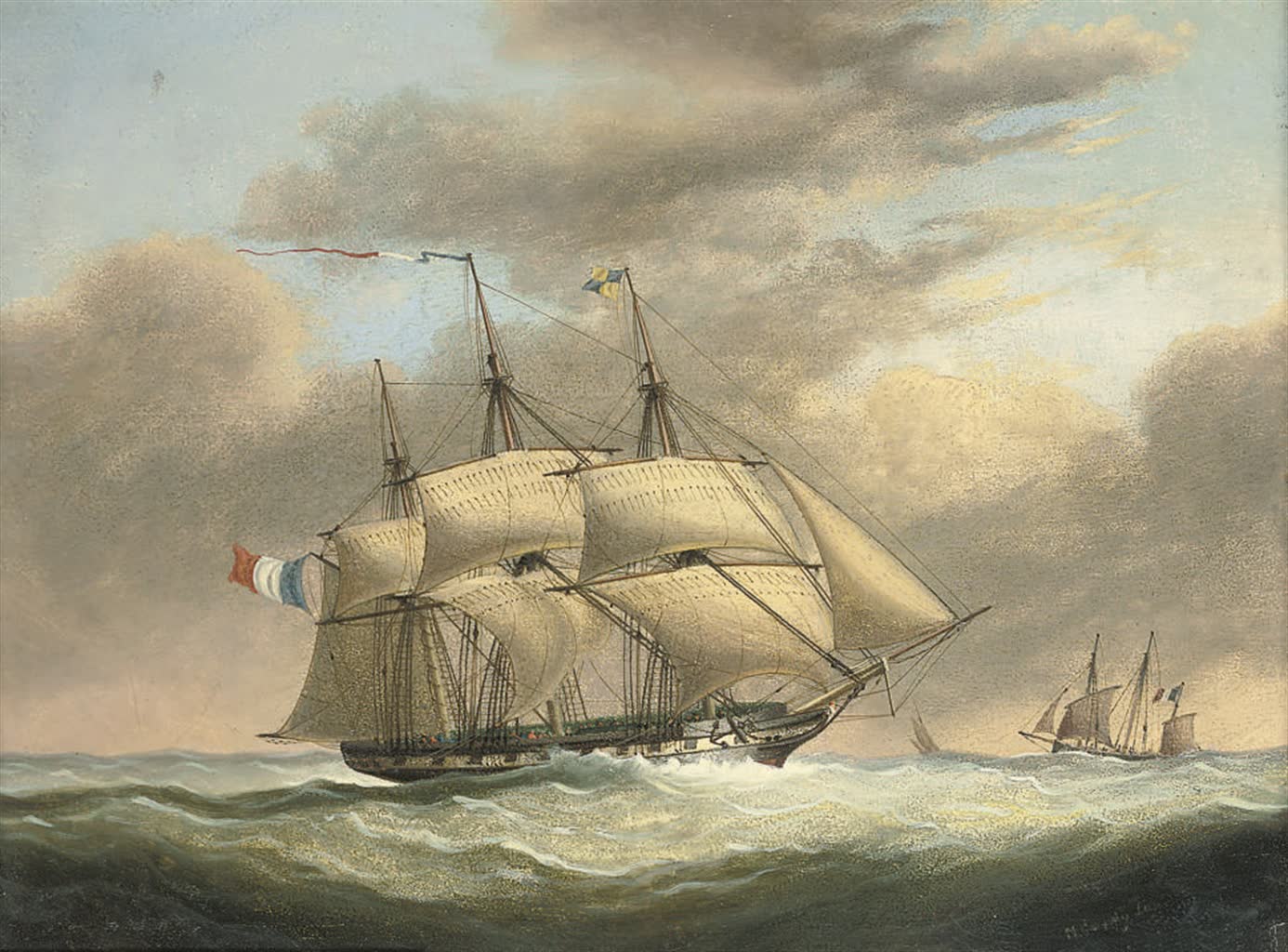
Fourteen warships
On July 3, 1825, fourteen French warships arrived in Port-au-Prince, with more than five hundred cannons.
They carried an order from King Charles X: France would recognize Haiti's independence, but on one condition. Haiti had to pay 150 million francs, in five installments, to compensate the former colonists.
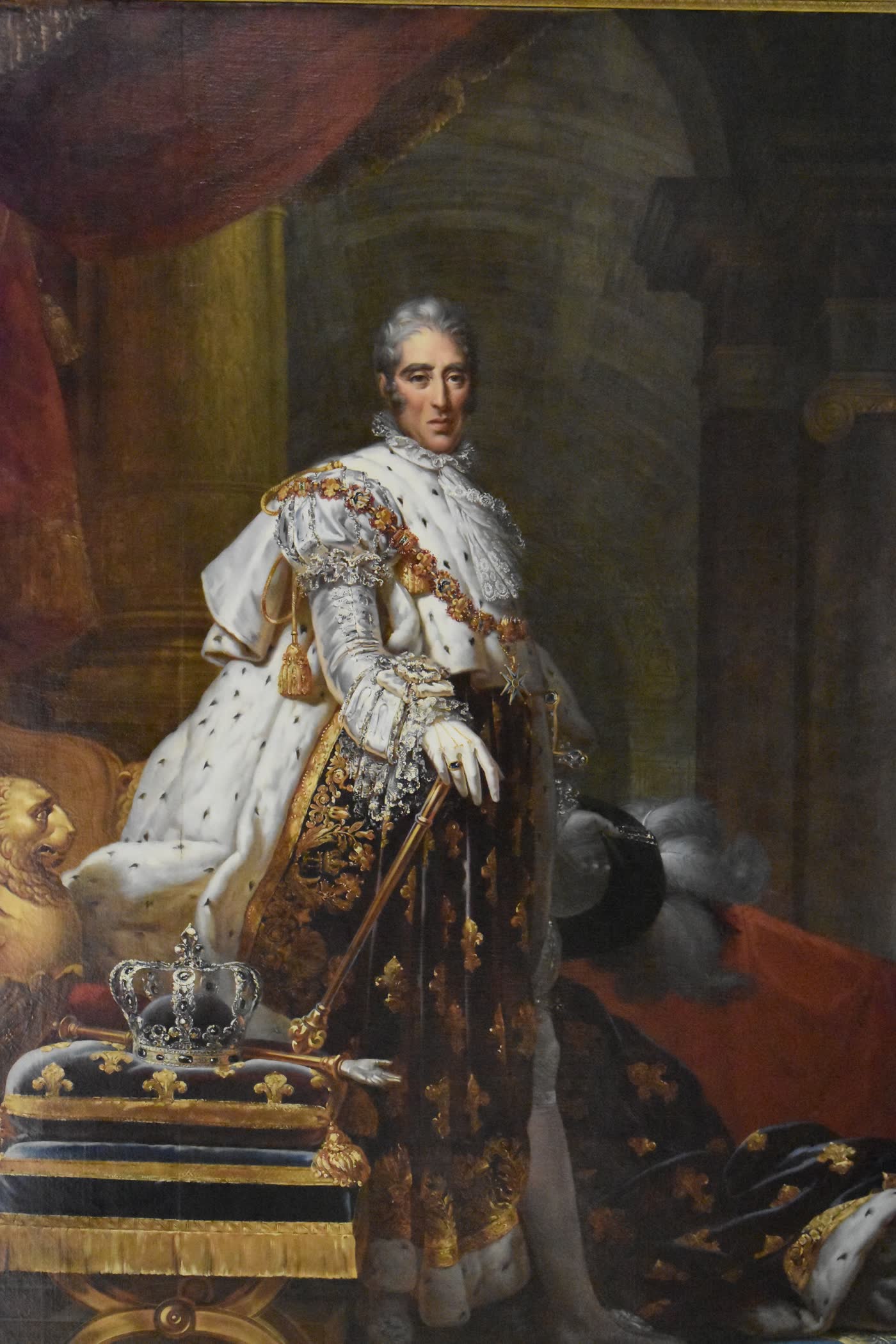
In other words, the former plantation owners. The people who had been enslaved had to pay for their own freedom.
The sum demanded was at least ten times what Haiti earned in an entire year.
With the cannons aimed at the port, President Jean-Pierre Boyer's government accepted.
The double debt
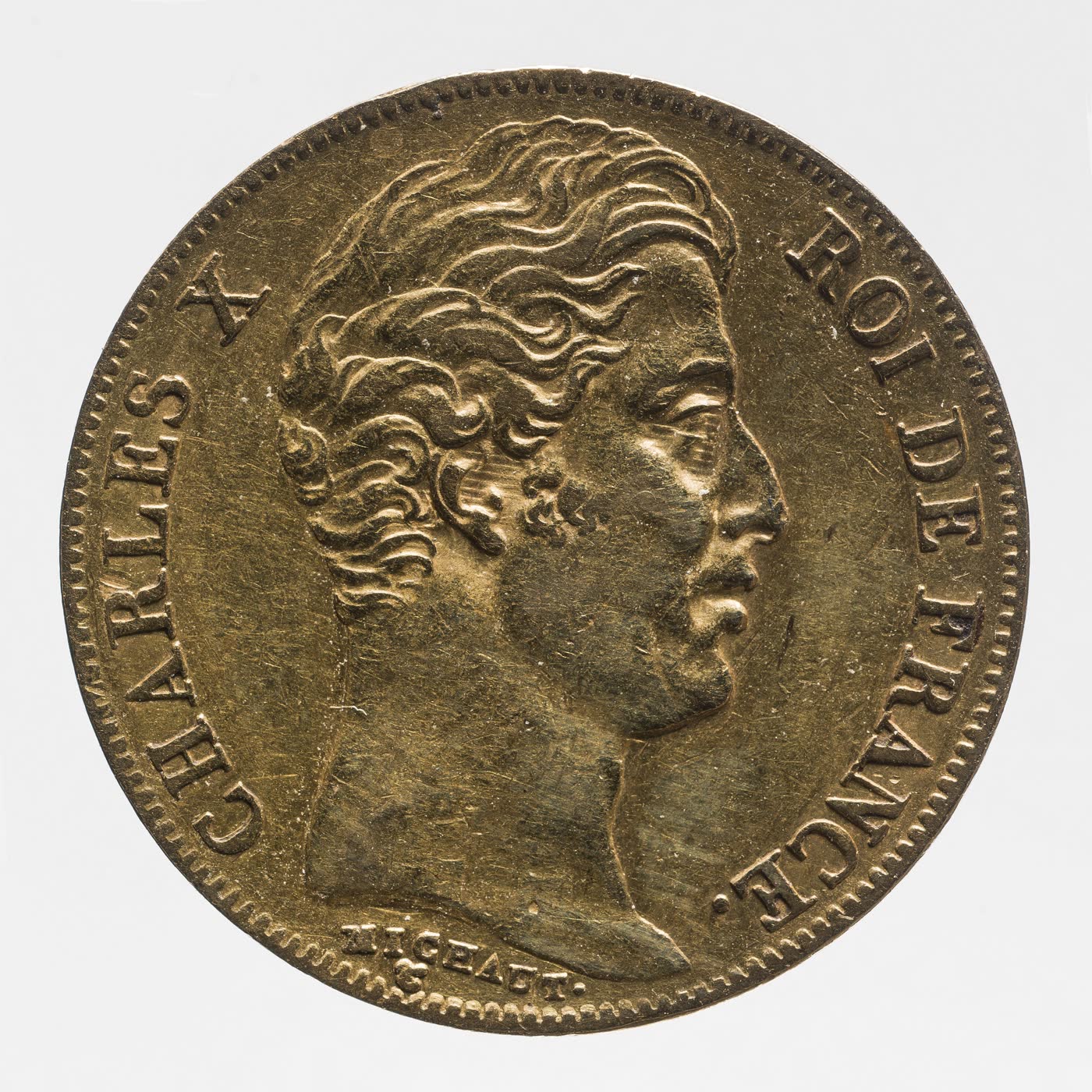
But Haiti didn't have that money. It had to borrow 30 million francs from a French bank.
The banks kept their commissions, and Haiti had to send France whatever was left in its treasury. That's how what many historians call the double debt was born: one debt to pay another.
Decades of payments
In 1838, France reduced the amount to 90 million. Even so, Haiti kept paying for decades.
In the 1870s it took out more loans from French banks, which kept about 40% in commissions. Even the National Bank of Haiti, created in 1880, had its headquarters in Paris.
The money that could have built schools, hospitals and roads went across the ocean.
The gold that traveled to New York
The story doesn't end with France. In December 1914, U.S. Marines took about 500,000 dollars in gold from Haiti's bank and carried it to a bank in New York.
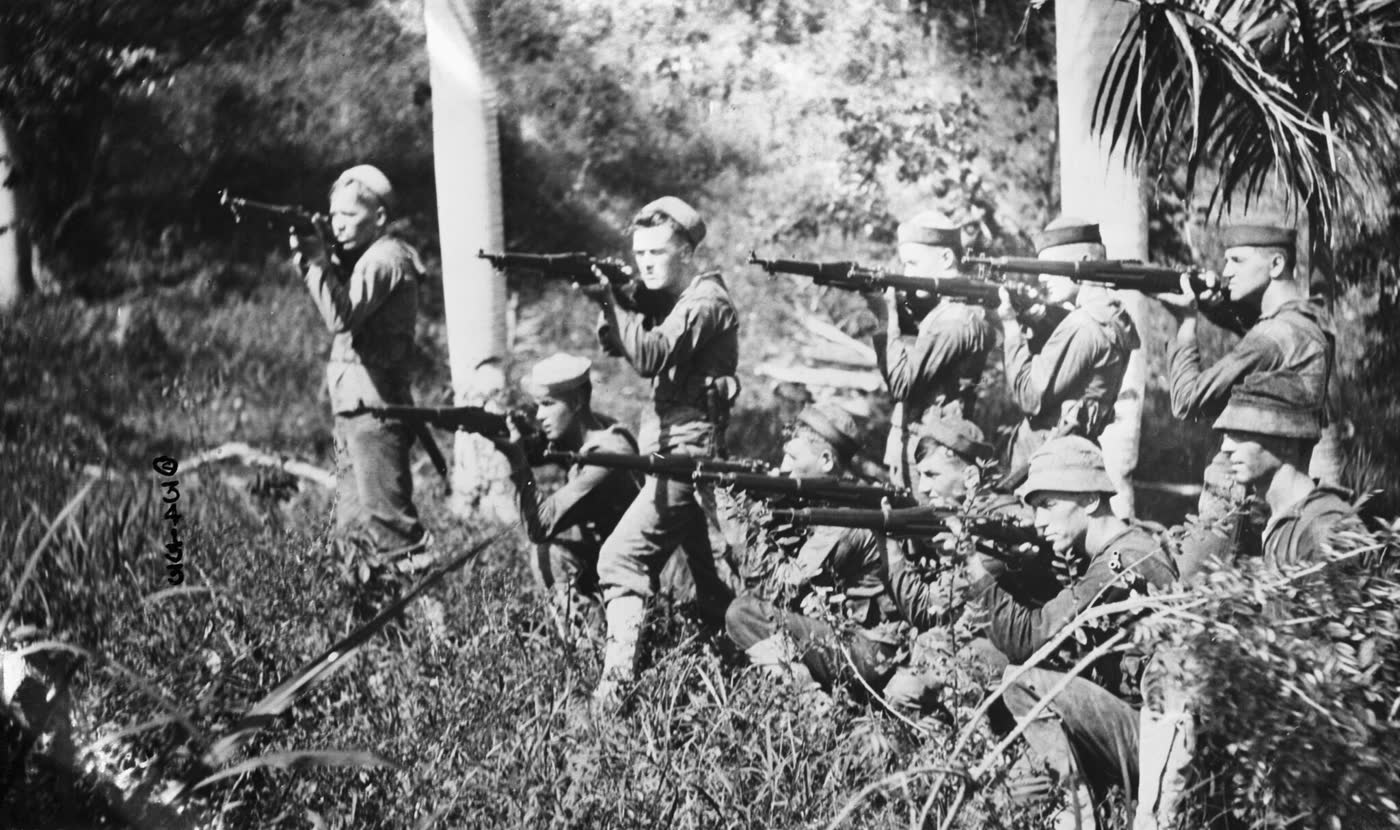
Seven months later, the United States invaded Haiti. That's the story of [part three](haiti-3.html).
122 years of payments
In total, Haiti paid about 112 million francs, around 560 million dollars today. The last payments, with interest, were made in 1947: one hundred twenty-two years after the ships arrived.
Haiti made its last payments in 1947, 122 years later.
In 2022, The New York Times consulted fifteen economists. They calculated that the debt cost Haiti between 21 and 115 billion dollars in lost growth.
Those who asked for the money back
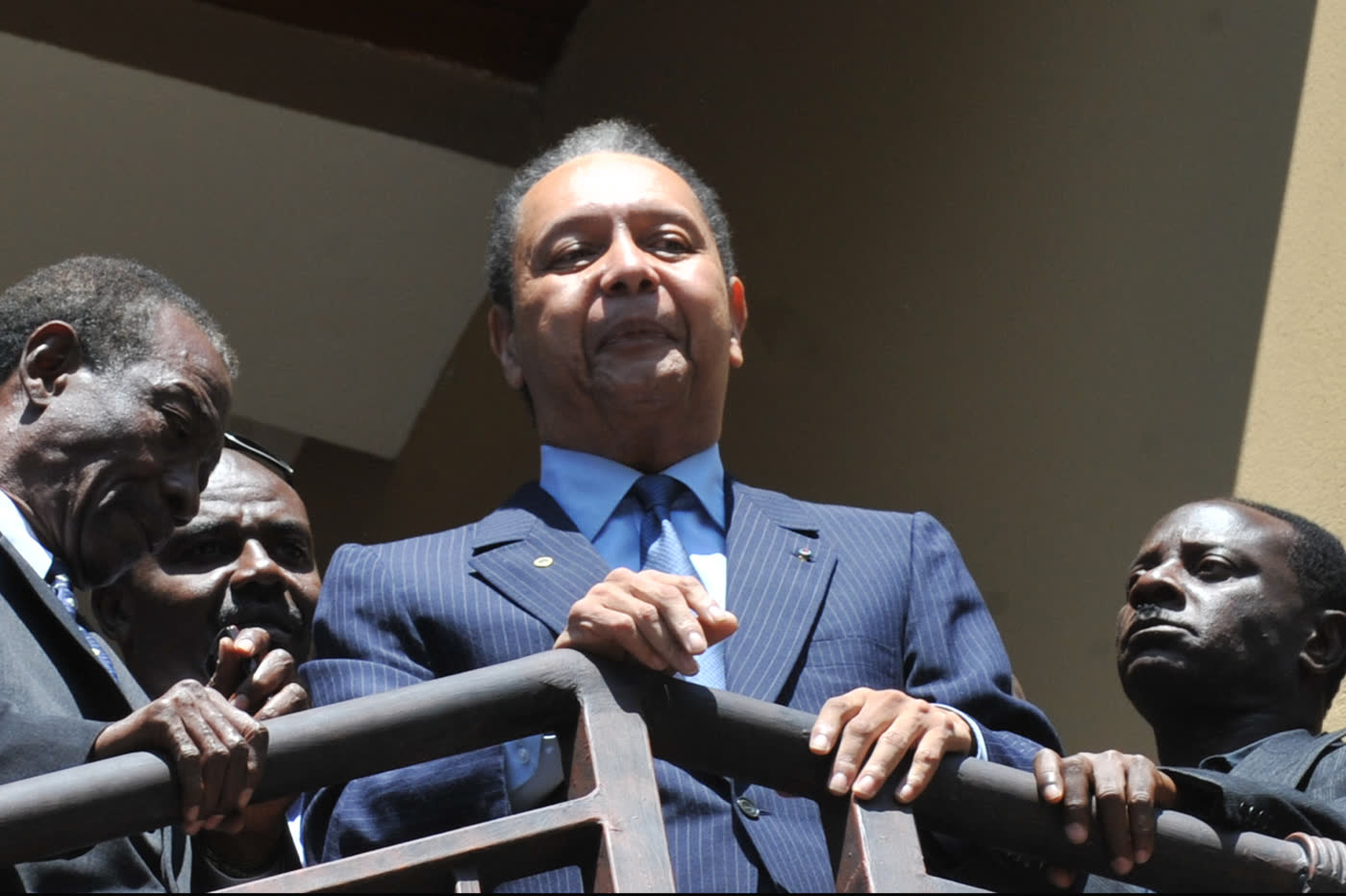
In 2003, President Jean-Bertrand Aristide demanded more than 21 billion dollars from France. The following year he was out of power, and the government that replaced him withdrew the claim.
In 2025, two hundred years later, President Emmanuel Macron acknowledged it was an injustice and created a commission of historians. But he didn't offer to return the money.
The debt doesn't explain all of Haiti's poverty. But for more than a century, the wealth that could have built a country went abroad.
This story is also a video
We tell it in a short video on our channel (in Spanish). Subscribe: there's a new story every week.
Watch the video on YouTubeDo you think France should give that money back to Haiti?
Tell us in the comments on the video.
Sources (in Spanish)
- Ordenanza de Carlos X (17 de abril de 1825), los 14 barcos y más de 500 cañones, el préstamo de 30 millones, la rebaja a 90 millones (1838), los préstamos de 1874-1875, el Banco Nacional de Haití (1880), el oro llevado a Nueva York (diciembre de 1914) y la petición de Aristide (2003): Wikipedia (Haitian independence debt).
- Total pagado (unos 112 millones de francos, unos 560 millones de dólares), últimos pagos en 1947 y estimación de 15 economistas: The New York Times, «The Ransom» (2022).
- La indemnización equivalía al menos a diez veces los ingresos anuales de Haití: BnF, Patrimoine France-Amériques.
- Macron reconoce una injusticia y crea una comisión de historiadores (17 de abril de 2025): AP / La Nación y Le Nouvelliste.
Photos are from Wikimedia Commons under free licenses; the author and license are shown under each image. Illustrations are our own. We don't use brand logos.