Translated from the original Spanish article. Read in Spanish
An earthquake that killed more than a hundred thousand people in less than a minute. A president murdered in his own bedroom. And a capital in the hands of gangs. That's how Haiti got to where it is today.
In [part three](haiti-3.html) we saw the U.S. occupation and the Duvalier dictatorship. This is the fourth and final part.
The democracy that didn't last
After Baby Doc fled, in 1990, Haiti held its first free elections. The winner was a priest from the poor neighborhoods: Jean-Bertrand Aristide.
But less than a year after taking office, in September 1991, a military coup removed him from power.
He returned in 1994, backed by thousands of U.S. troops. And in 2004, amid an armed rebellion, he had to leave the country again.
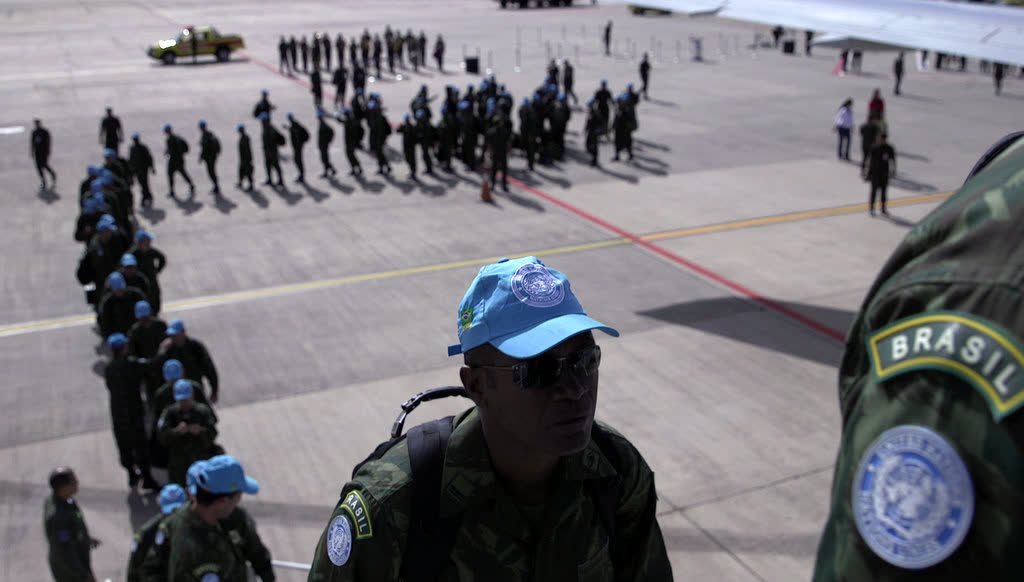
Then came a UN peacekeeping mission, which stayed for thirteen years.
The 2010 earthquake
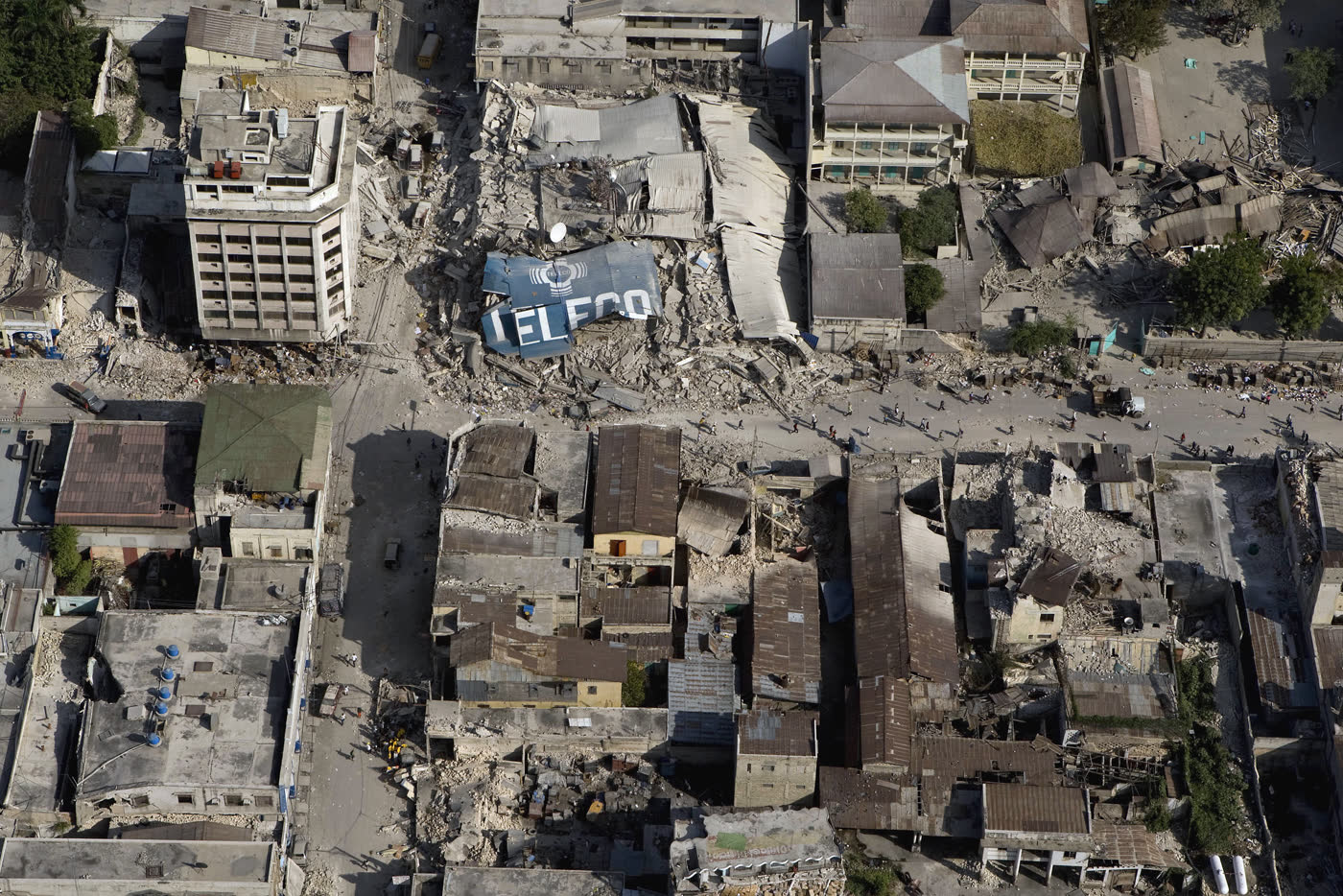
On January 12, 2010, at 4:53 p.m., the earth shook. A magnitude 7 earthquake, about 25 kilometers from Port-au-Prince.
Death toll estimates range from 100,000 to more than 300,000 people. More than a million Haitians were left homeless, and even the National Palace collapsed.
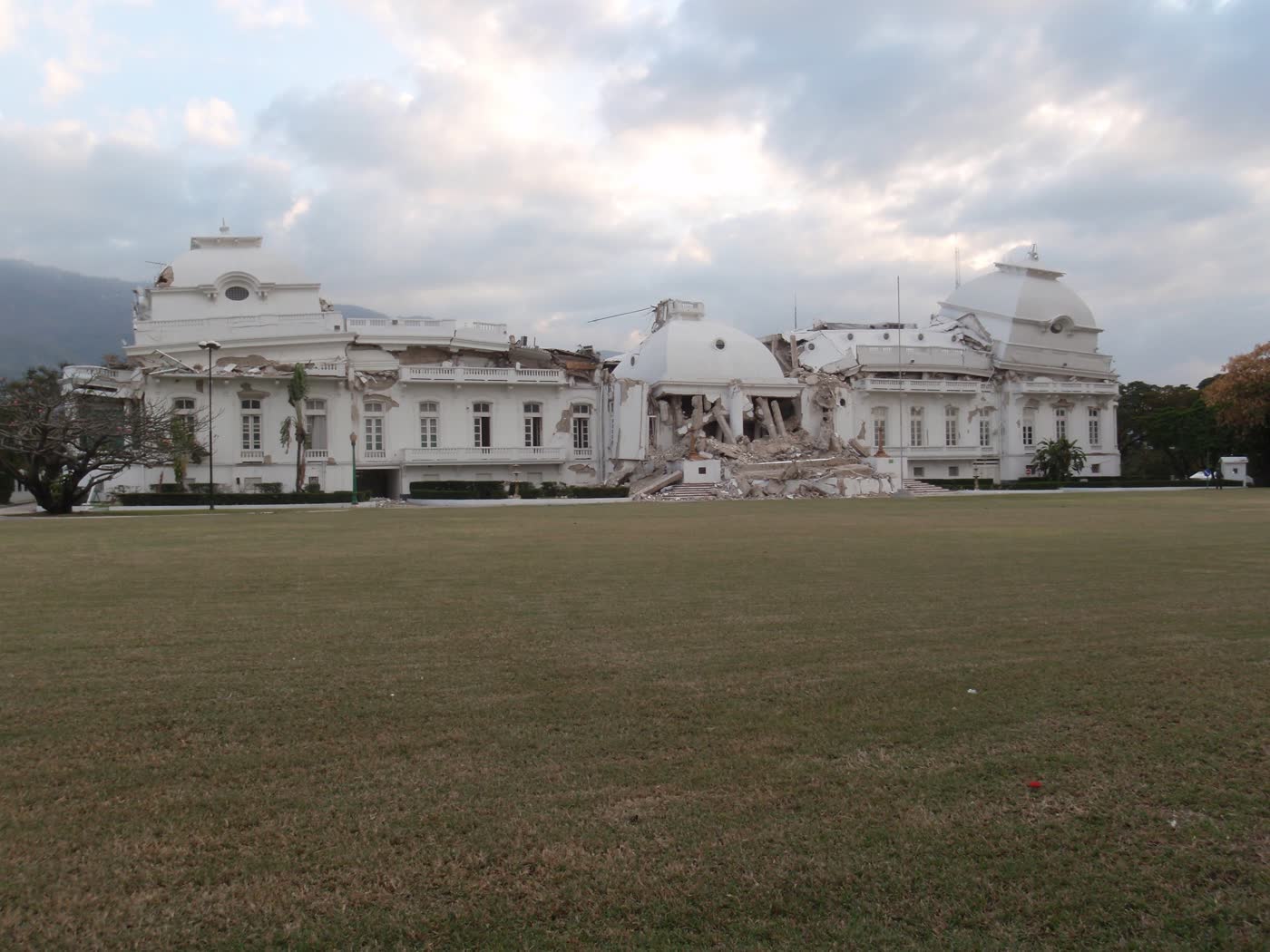
Death toll estimates for the 2010 earthquake range from 100,000 to more than 300,000 people.
Cholera
Months later came another tragedy: cholera. According to several investigations, it was brought by UN peacekeepers from Nepal. More than 9,000 people died, and in 2016 the UN apologized.
A president assassinated
On July 7, 2021, a commando made up mostly of former Colombian soldiers entered the home of President Jovenel Moïse before dawn, and killed him in his own bedroom.
The gangs
With no president and no parliament, the gangs filled the vacuum. In 2024, many of them joined forces in a single alliance: Viv Ansanm, which means "living together" in Creole.
Today, according to estimates by the UN and humanitarian organizations, gangs control between 80% and 90% of the capital. And nearly one and a half million Haitians have had to flee their homes.
Gangs control between 80% and 90% of Port-au-Prince, according to the UN and humanitarian organizations.
The force against the gangs
In 2025, the UN approved a new force against the gangs. But in mid-October 2026 it had about 1,500 personnel, out of the 5,500 authorized.
Among them are soldiers from El Salvador, sent by Nayib Bukele. On October 18, four of them disappeared after an ambush, and their whereabouts are still unconfirmed. We cover it in [this news story](../noticias/bukele-haiti.html).

And the elections that were scheduled for December were postponed again, with no new date.
More than two centuries of history
A colony that paid for its freedom. A debt lasting one hundred twenty-two years. An occupation, a dictatorship, an earthquake and the gangs.
Haiti isn't poor by chance. It's the result of more than two centuries of history that almost no one tells. If you missed anything, here's the full series: [part 1](haiti-1.html), [part 2](haiti-2.html) and [part 3](haiti-3.html).
This story is also a video
We tell it in a short video on our channel (in Spanish). Subscribe: there's a new story every week.
Watch the video on YouTubeDo you think Haiti can be fixed? What do you think it needs?
Tell us in the comments on the video.
Sources (in Spanish)
- Elecciones de 1990, golpe de 1991 y regreso de Aristide en 1994: EBSCO Research Starters, GlobalSecurity y Wikipedia (1991 Haitian coup d'état).
- MINUSTAH (2004-2017): Naciones Unidas.
- Terremoto del 12 de enero de 2010 (magnitud 7,0, 16:53, a unos 25 km de Puerto Príncipe; de 100.000 a más de 300.000 muertos según las estimaciones; derrumbe del Palacio Nacional): Wikipedia (2010 Haiti earthquake) y USAID.
- Cólera: origen atribuido a cascos azules nepaleses, más de 9.300 muertos y disculpa de Ban Ki-moon el 1 de diciembre de 2016: Al Jazeera, Voz de América y Noticias ONU.
- Asesinato de Jovenel Moïse (7 de julio de 2021): Wikipedia e Infobae.
- Viv Ansanm y control del 80-90 % de la capital: Consejo de Seguridad de la ONU, Consejo Noruego para Refugiados, La Tercera y Diario Libre.
- Desplazados (unos 1,5 millones), elecciones aplazadas y Fuerza de Supresión de Pandillas (1.563 efectivos de 5.500 al 12 de octubre de 2026): Noticias ONU (octubre de 2026), Diario Libre (19 de octubre de 2026) e Infobae (26 y 27 de octubre de 2026).
- Soldados salvadoreños desaparecidos tras la emboscada del 18 de octubre de 2026: Infobae y Diario El Mundo (El Salvador).
Photos are from Wikimedia Commons under free licenses; the author and license are shown under each image. Illustrations are our own. We don't use brand logos.