Translated from the original Spanish article. Read in Spanish
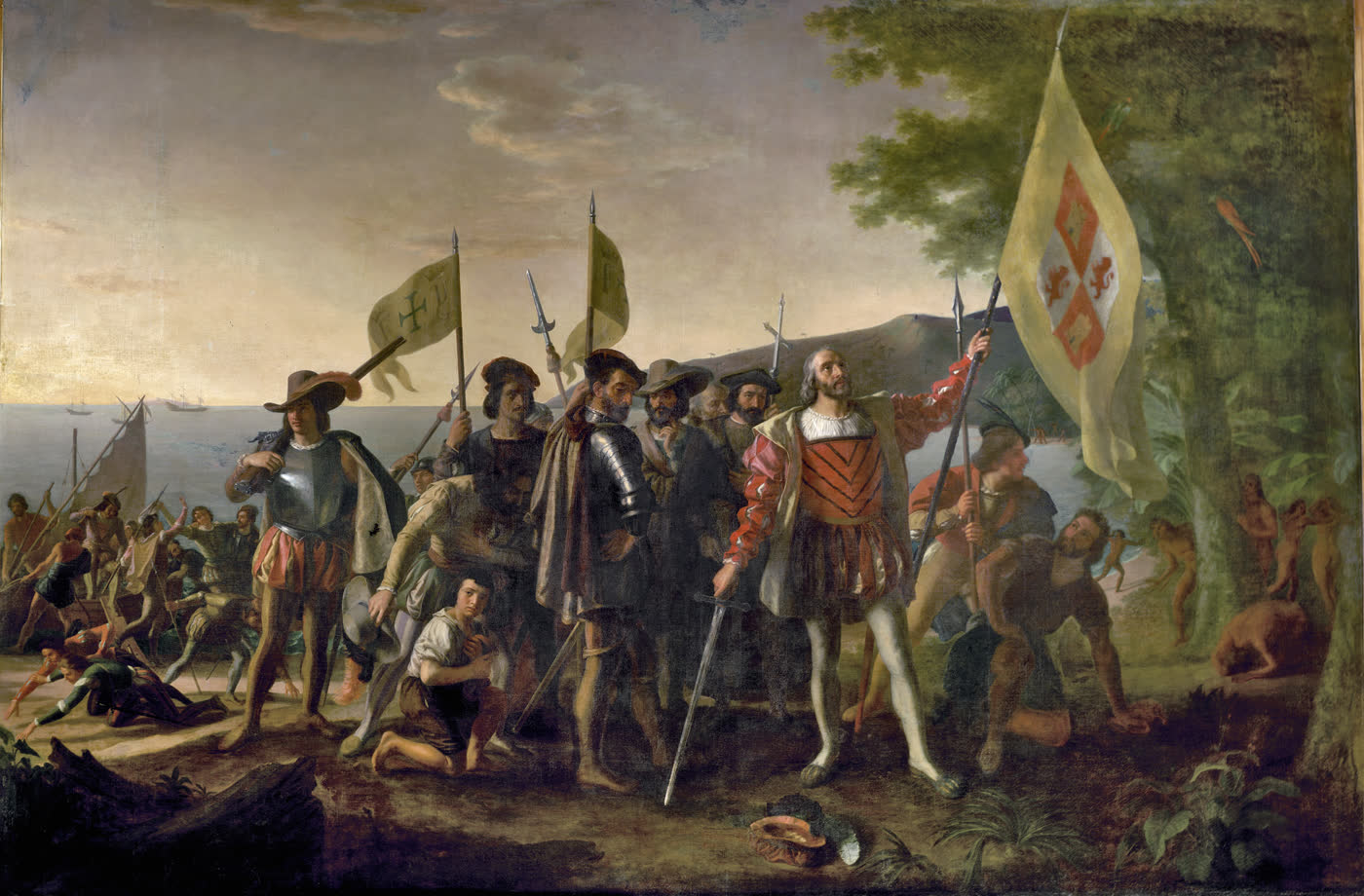
More than two million Cubans live outside their own island. Even their government acknowledges it. And it's the same island that Christopher Columbus, on October 28, 1492, called "the most beautiful land human eyes have ever seen". What happened?
This is the true story of Cuba: from the most beautiful land to a dictatorship. It's a series in several parts, and this is the first.
The first inhabitants
When the Spanish arrived, the island was home to Indigenous peoples, among them the Taíno, who farmed the land and lived in villages.
Hatuey, the first rebel
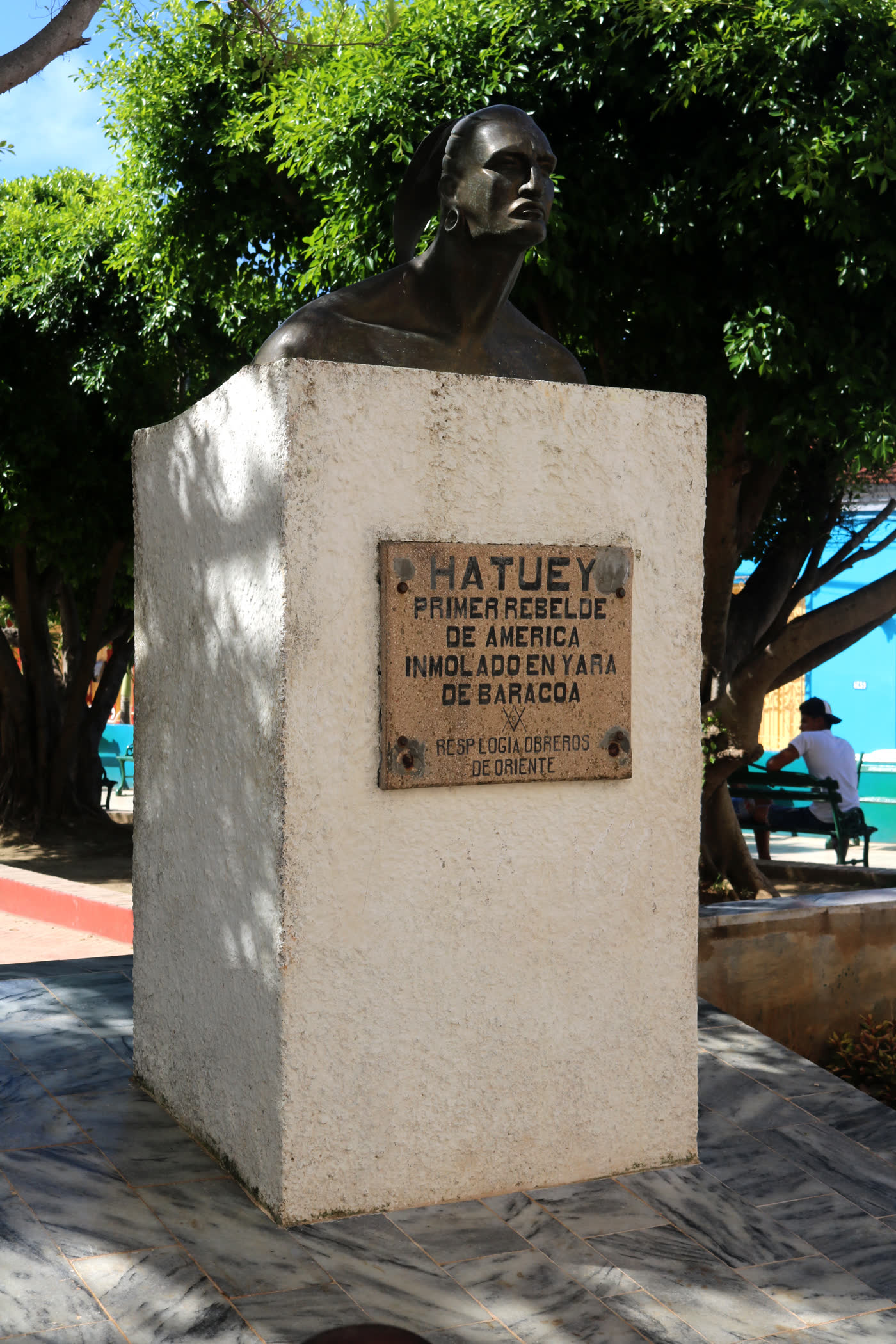
In 1511 the conquest began, led by Diego Velázquez. And the first rebel in Cuban history appeared: Hatuey, a chief who had fled Hispaniola to warn the Taíno of what was coming.
He was captured and burned alive in 1512. According to Friar Bartolomé de las Casas, before he died he asked whether Christians went to heaven. And when told they did, he replied that he'd rather go to hell.
Within a few decades, most of the Indigenous population had disappeared because of violence, forced labor and diseases brought from Europe.
The key to the New World
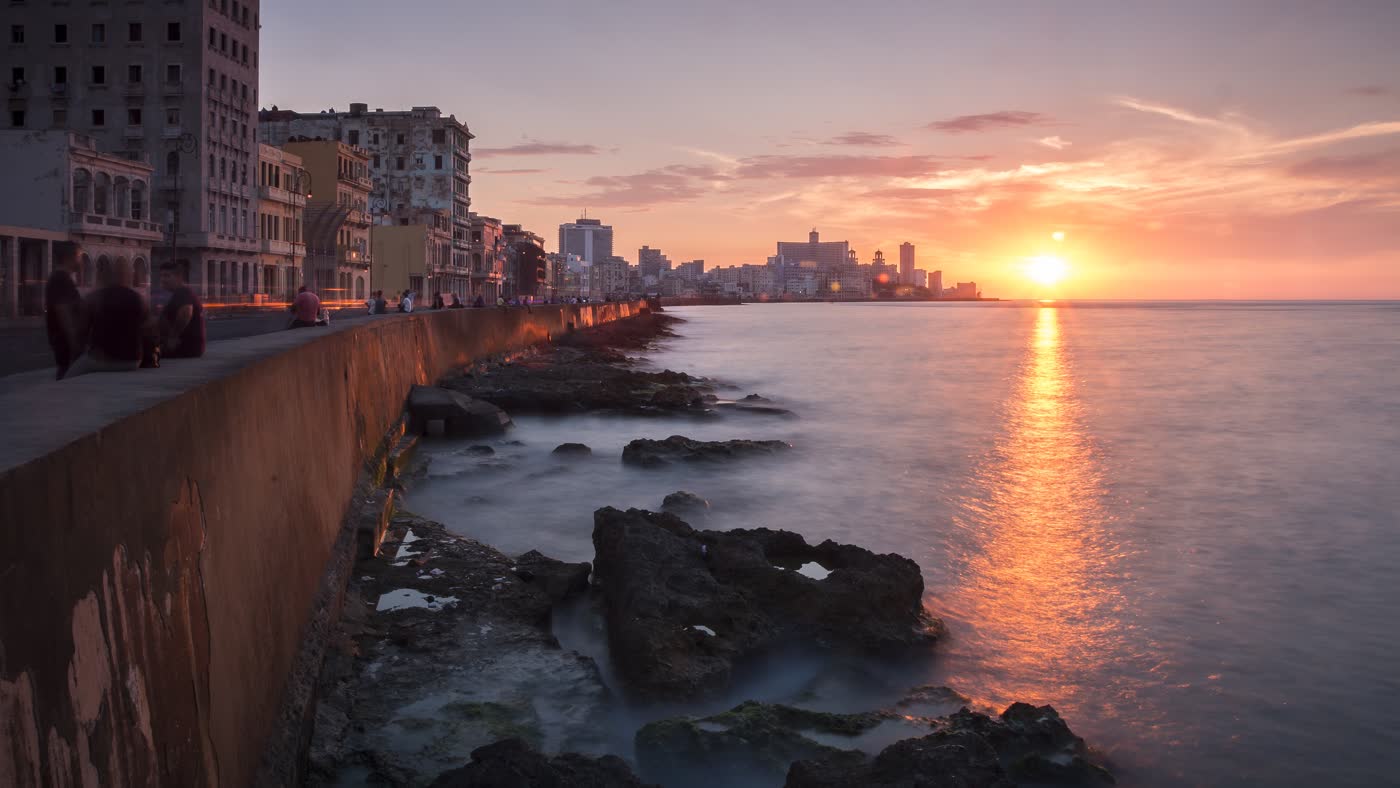
But the island had something Spain needed: Havana. Its bay became the port where ships loaded with gold and silver gathered before crossing the ocean. In 1634, a royal decree called it "the key to the New World".
In 1634, a royal decree called Havana "the key to the New World".
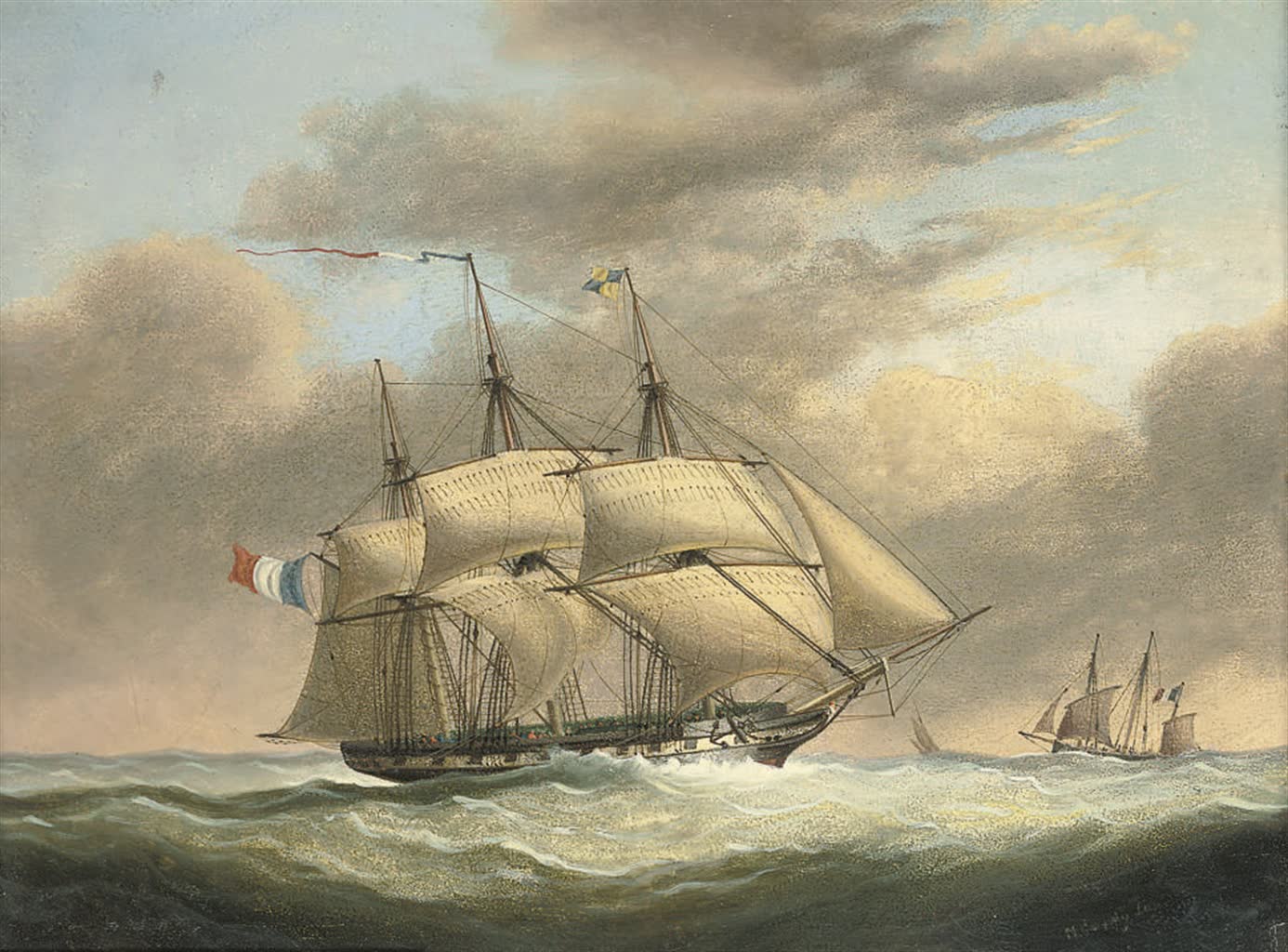
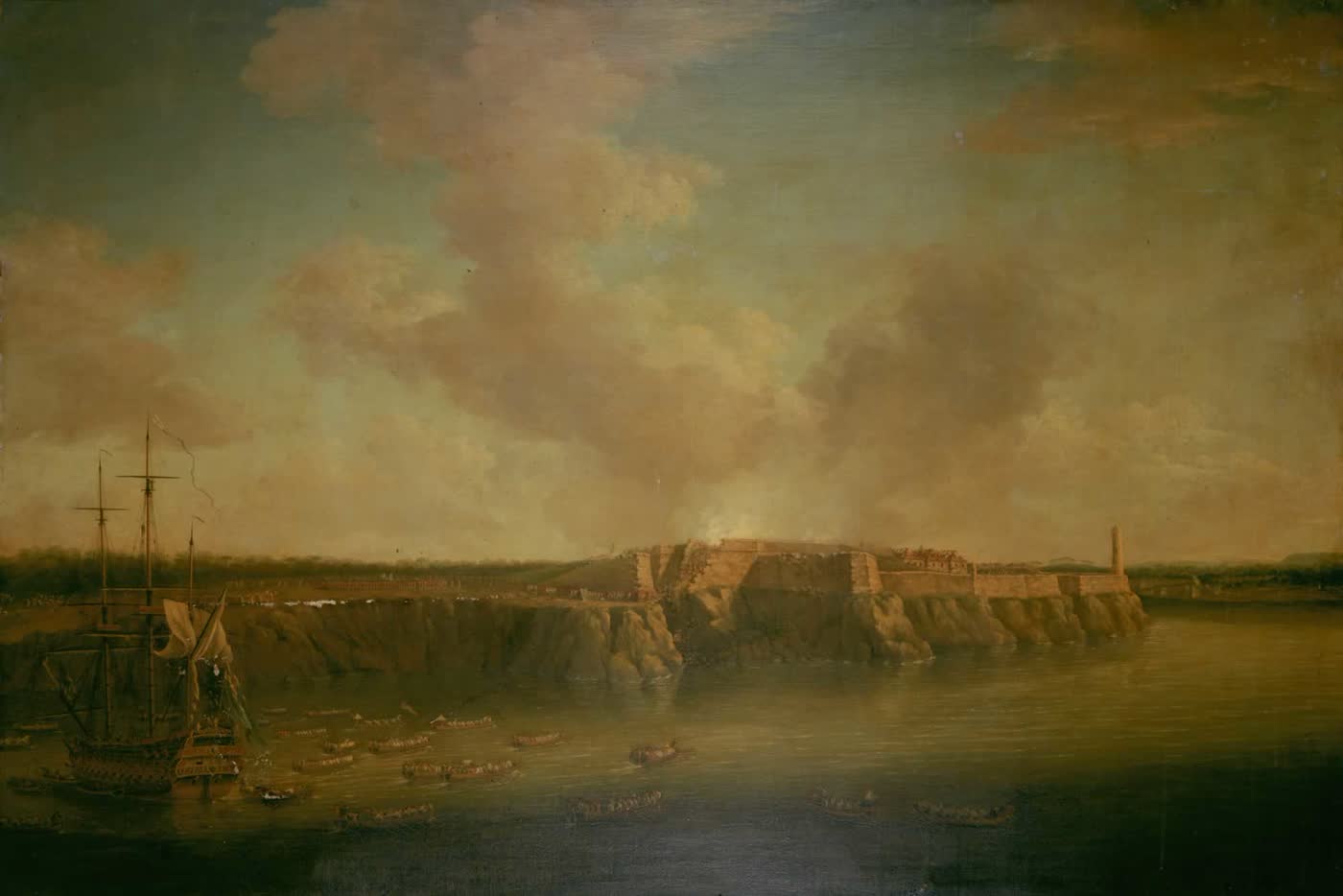
In 1762, the British captured Havana for almost a year. Spain got it back in exchange for handing over Florida.
Sugar and slavery
Then Cuba's history crossed paths with Haiti's. When the richest French colony in the world rebelled, in 1791, its sugar left a huge gap in the market. And Cuba filled it. We tell that story in [the Haiti series](haiti-1.html).
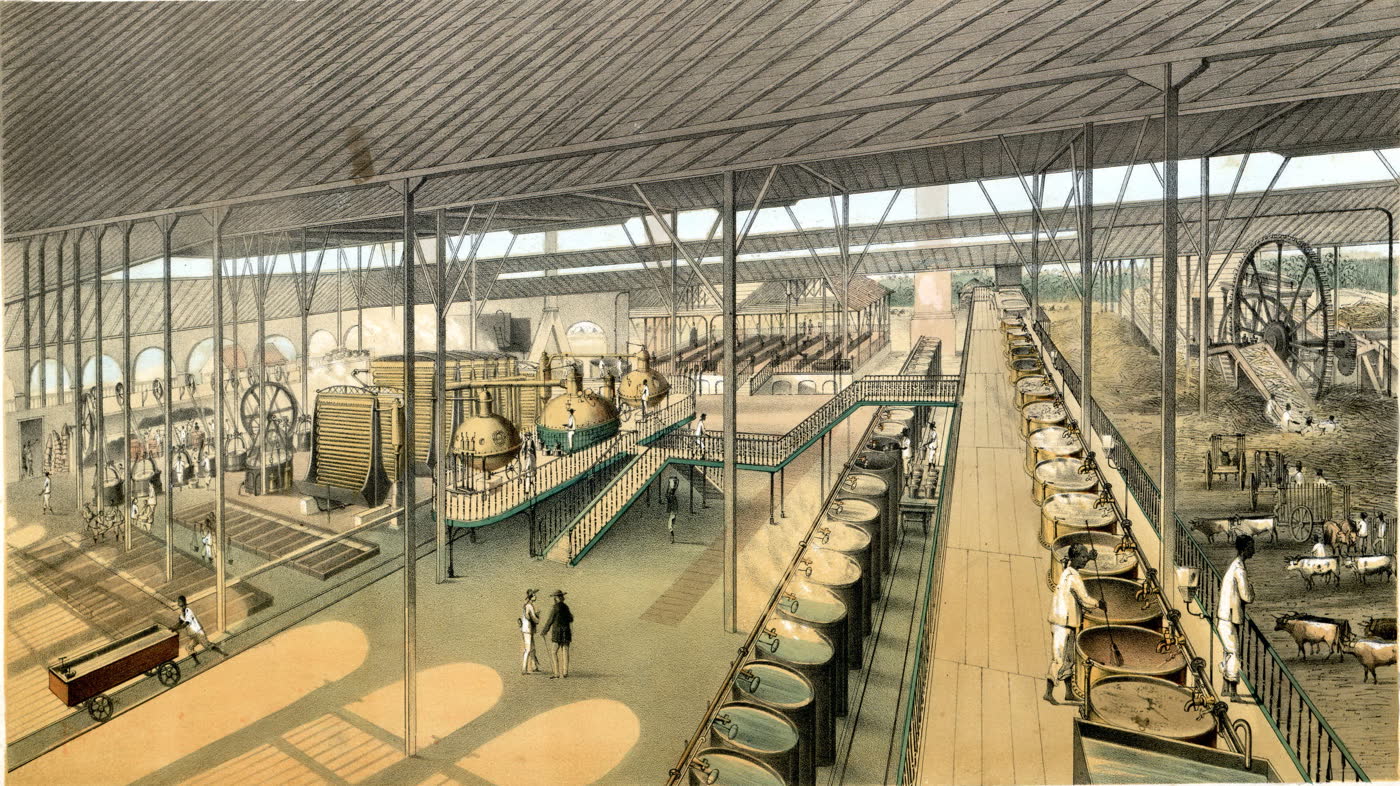
In the 19th century, Cuba became the world's largest sugar producer. But that sugar came at the same price as in Haiti: hundreds of thousands of Africans brought in enslaved.
Céspedes and the Ten Years' War
On October 10, 1868, the lawyer Carlos Manuel de Céspedes freed the people he held enslaved at his sugar mill, La Demajagua, and called on them to fight for independence. The Ten Years' War began.
That war didn't win independence. But slavery in Cuba ended in 1886, one of the last places in the Americas to abolish it.
José Martí and the final war
In 1895 the final war began, organized by the poet José Martí. But Martí died in one of its first battles, at Dos Ríos, on May 19 of that same year.
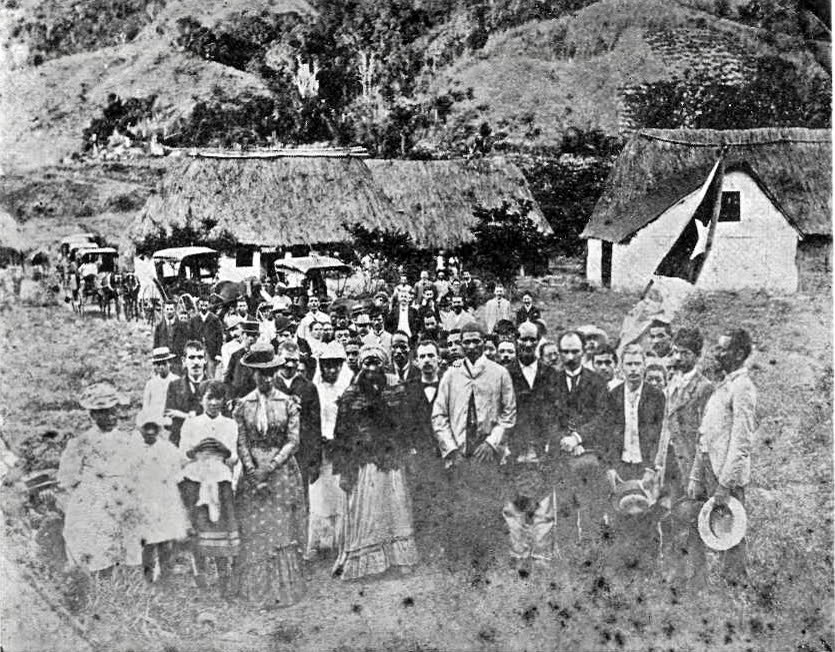
To isolate the rebels, Spanish general Valeriano Weyler forced hundreds of thousands of peasants into the cities. According to various estimates, between 170,000 and 400,000 people died of hunger and disease.
The Maine and the end of Spanish rule
In February 1898, the U.S. battleship Maine exploded in Havana Bay. More than 260 sailors died.
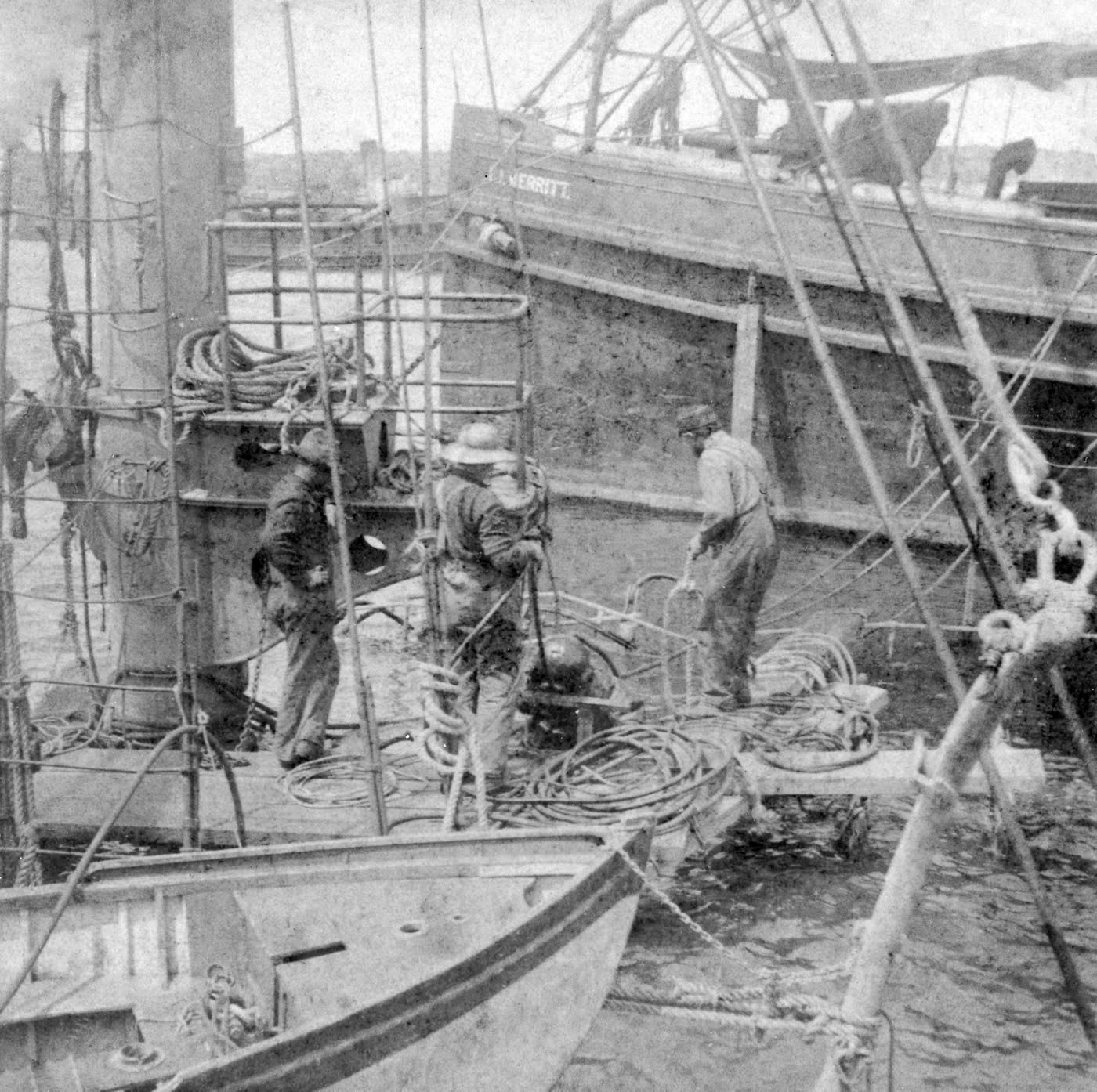
The United States entered the war, and within a few months Spain lost Cuba. But the island didn't pass directly into Cuban hands: the United States governed it until 1902.
In part two: the republic, the dictators and the Havana of casinos and the mafia, which came to rival Las Vegas.
This story is also a video
We tell it in a short video on our channel (in Spanish). Subscribe: there's a new story every week.
Watch the video on YouTubeDid you know Cuba was the key to the New World?
Tell us in the comments on the video.
Sources (in Spanish)
- Llegada de Colón a Cuba (28 de octubre de 1492, Bariay) y la frase de su diario: EcuRed e Hispanopedia.
- Más de 2 millones de emigrados cubanos: vicecanciller cubano Carlos Fernández de Cossío (noviembre de 2023, recogido por Metro PR); Censo de EE. UU. (ACS 2023, Universidad Internacional de Florida): unos 1,49 millones de nacidos en Cuba en EE. UU.; ONEI: saldo migratorio de −245.264 personas en 2025.
- Conquista de Diego Velázquez (1511) y Hatuey (quemado el 2 de febrero de 1512): EcuRed, Britannica y Bartolomé de las Casas (Brevísima relación de la destrucción de las Indias).
- La Habana, punto de reunión de las flotas (1561) y «Llave del Nuevo Mundo» (decreto real de 1634): Britannica.
- Toma inglesa de La Habana (1762-1763) y canje por la Florida: EcuRed y Cubanet.
- Cuba, mayor productor de azúcar del mundo en el siglo XIX, tras la revolución haitiana: Asclepio (CSIC) y Revista ICADE.
- Céspedes y La Demajagua (10 de octubre de 1868) y abolición de la esclavitud (1886): Cubarte, CiberCuba, EcuRed y Herodote.
- José Martí, muerto en Dos Ríos el 19 de mayo de 1895: Britannica.
- Reconcentración de Weyler (de 170.000 a 400.000 muertos según distintas estimaciones): Wikipedia (Reconcentration policy; Stucki 2017, de la Llosa 2008) y Roig de Leuchsenring.
- Explosión del Maine (15 de febrero de 1898, 266-268 muertos) y gobierno de EE. UU. hasta 1902: History.com, Marina de EE. UU. y Britannica.
Photos are from Wikimedia Commons under free licenses; the author and license are shown under each image. Illustrations are our own. We don't use brand logos.