Translated from the original Spanish article. Read in Spanish
In 1915, the United States invaded Haiti and stayed for nineteen years. And when it finally left, something worse came: a doctor who became a dictator.
In [part two](haiti-2.html) we saw how France made Haiti pay for its freedom. This is part three.
July 1915
In July 1915, President Vilbrun Guillaume Sam ordered the execution of 167 political prisoners. The next day, an angry mob dragged him out of the French embassy and killed him.
That same day, July 28, the U.S. Marines landed. Officially, to restore order. But behind it were the interests of a big New York bank, the National City Bank.
Customs, banks and the treasury
Within six weeks, the United States took over Haiti's customs, banks and treasury. And 40% of the country's revenue went to paying debts to American and French banks.
To build roads, the Marines forced thousands of peasants to work without pay. A system of forced labor that reminded many Haitians of slavery.
The cacos rebellion
Many rebelled. A former officer, Charlemagne Péralte, gathered thousands of rebels, known as cacos. In 1919, the Marines killed him.
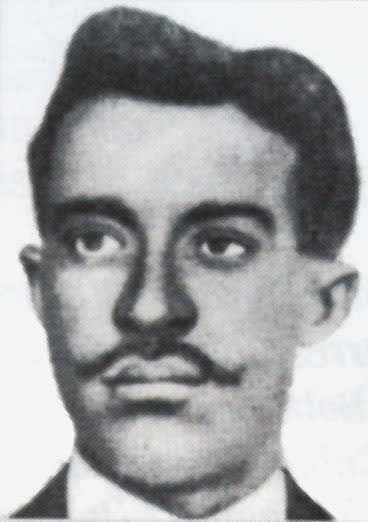
According to various estimates, between 3,000 and 15,000 Haitians died during the occupation.
In 1918, Haiti approved a new constitution that, for the first time since independence, allowed foreigners to own land. Franklin Roosevelt, a future U.S. president, even claimed he had written it.
The U.S. occupation lasted nineteen years: from 1915 to 1934.
In 1934, the Marines finally left. But the United States kept control of Haiti's finances until 1947.
Papa Doc
In 1957 an election was won by a doctor known for fighting diseases in the countryside: François Duvalier. They called him Papa Doc.
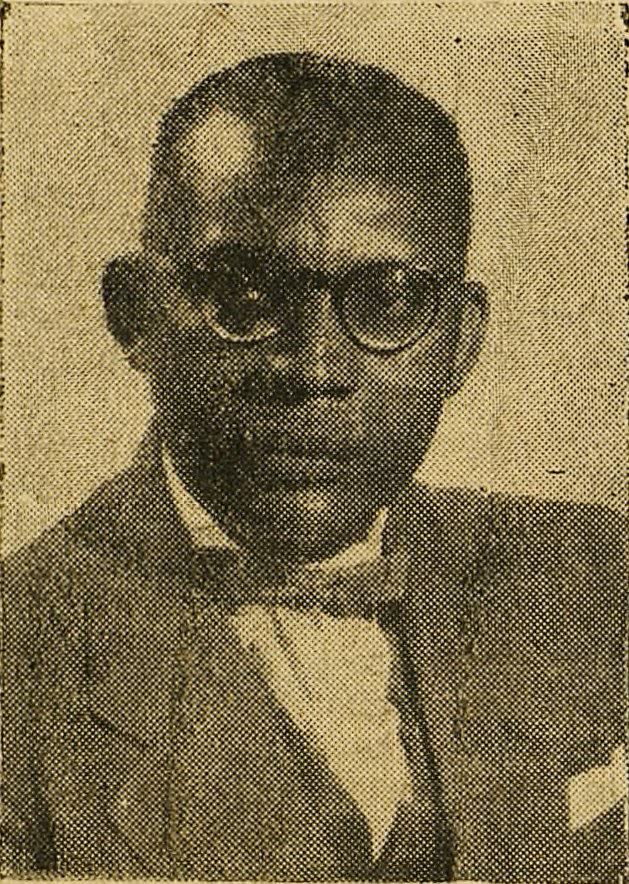
But the doctor soon showed his other face. He created his own militia: the Tontons Macoutes, named after a character from Haitian folklore who carries people off in a sack.
In 1964 he declared himself president for life. He presented himself as a voodoo priest and dressed like Baron Samedi, the spirit of death: black suit and dark glasses.
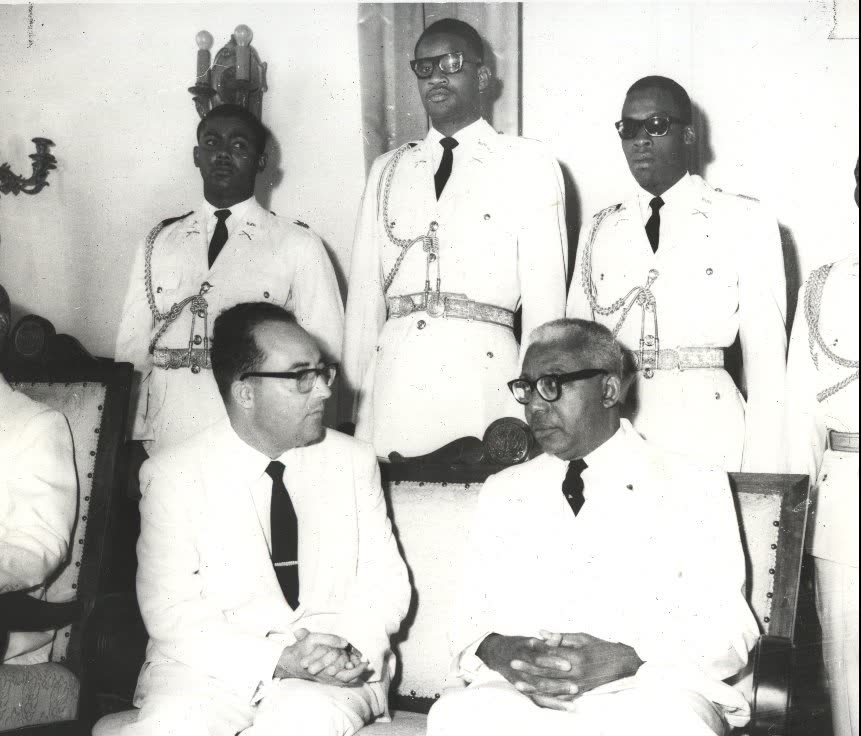
It's estimated that more than 30,000 people were murdered during his rule. And thousands of doctors, teachers and engineers fled the country.
Baby Doc
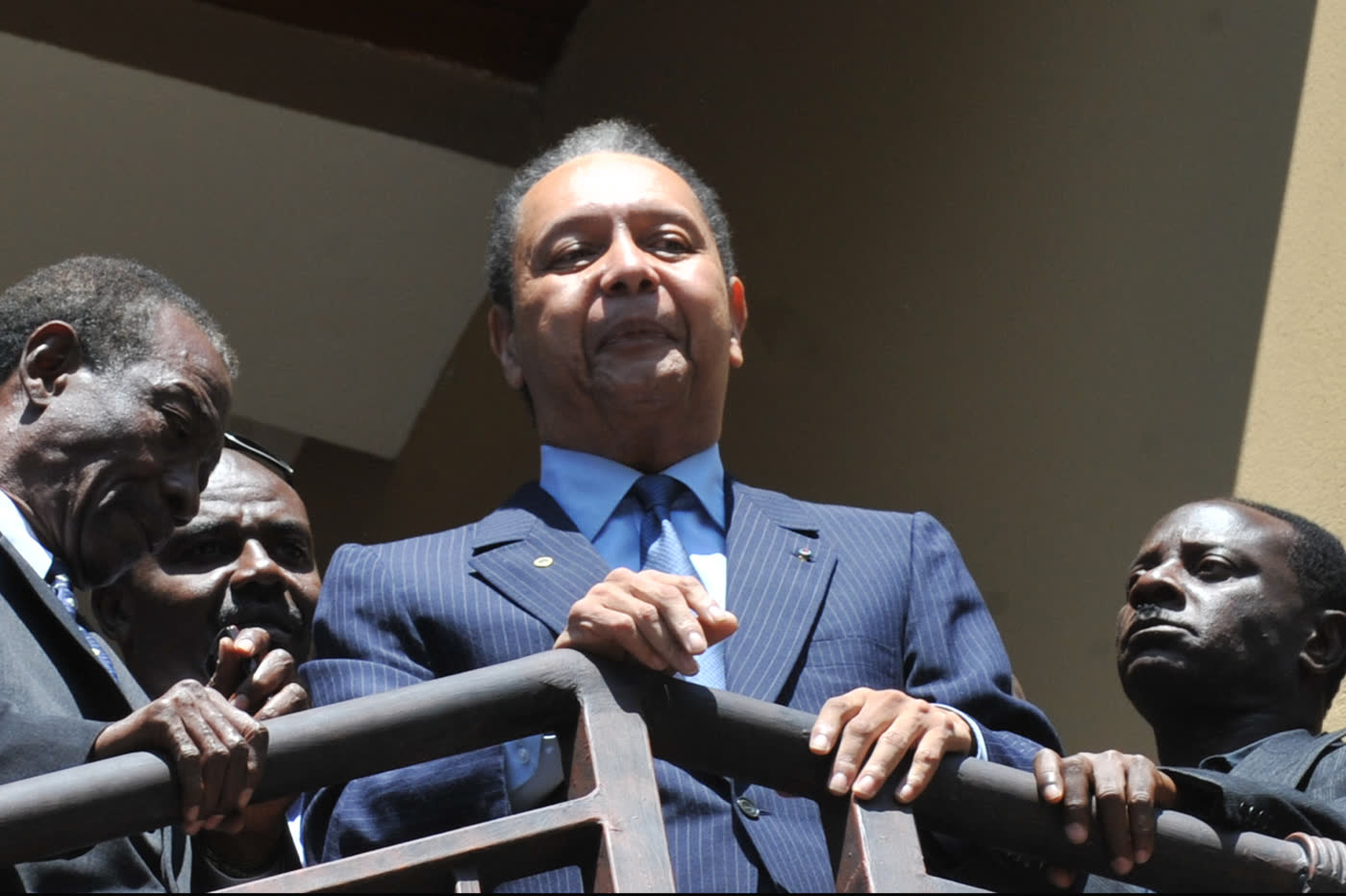
When he died, in 1971, power passed to his son, Jean-Claude. He was nineteen: the youngest president in the world. They called him Baby Doc.
While the country remained poor, Baby Doc held a wedding in 1980 that cost about two million dollars. According to Transparency International, he allegedly took between 300 and 800 million dollars.
According to Transparency International, Baby Doc allegedly took between 300 and 800 million dollars.
In 1986, protests spread across the country. On February 7, Baby Doc fled to France on a U.S. Air Force plane.
Twenty-five years later, in 2011, he returned to Haiti. He was charged with corruption, but died in 2014 without being convicted.
What was left
Nineteen years of occupation and twenty-nine of dictatorship. Haiti reached the end of the 20th century with its institutions destroyed, and with many of its best professionals abroad.
In [part four](haiti-4.html): the arrival of democracy, the 2010 earthquake and the gangs.
This story is also a video
We tell it in a short video on our channel (in Spanish). Subscribe: there's a new story every week.
Watch the video on YouTubeWho did more harm to Haiti: the U.S. occupation or the Duvaliers?
Tell us in the comments on the video.
Sources (in Spanish)
- Ejecución de 167 presos y muerte de Vilbrun Guillaume Sam, desembarco del 28 de julio de 1915, papel del National City Bank, control de aduanas, bancos y tesoro, 40 % de los ingresos para deudas, trabajo forzado, Charlemagne Péralte (1919), estimaciones de muertos (entre 3.250 y 15.000), constitución de 1918 y declaraciones de Franklin D. Roosevelt, retirada en 1934 y fin del control financiero en 1947: Wikipedia (United States occupation of Haiti).
- François Duvalier: elección de 1957, tontons macoutes, presidente vitalicio (1964), imagen del Barón Samedi, más de treinta mil asesinados y muerte en 1971: Wikipedia en español (François Duvalier).
- Jean-Claude Duvalier: presidente a los 19 años, boda de 1980, entre 300 y 800 millones de dólares según el Informe Global de Corrupción 2004 de Transparencia Internacional, huida a Francia el 7 de febrero de 1986, regreso en 2011 y muerte en 2014: Wikipedia (Jean-Claude Duvalier).
Photos are from Wikimedia Commons under free licenses; the author and license are shown under each image. Illustrations are our own. We don't use brand logos.