Translated from the original Spanish article. Read in Spanish
Today Haiti is the poorest country in the Americas. But just over two hundred years ago it was the richest colony in the world.
This is the true story of how Haiti ended up in poverty. It's a story in several parts, and this is the first.
Ayiti, the land of high mountains
In 1492, Christopher Columbus reached an island that had several names: Ayiti, "the land of high mountains", Quisqueya and Bohío. It was divided into five chiefdoms, and historians today call its peoples the Taíno. The Spanish called it Hispaniola.
Note: Hispaniola was the whole island. Today two countries share it: Haiti, in the western part, and the Dominican Republic, in the rest. This series focuses on Haiti: on the former French colony of Saint-Domingue and the country that was born from it.
Within a few decades, most of the Taíno had died from violence, forced labor and the diseases the Europeans brought.
Saint-Domingue, a money-making machine
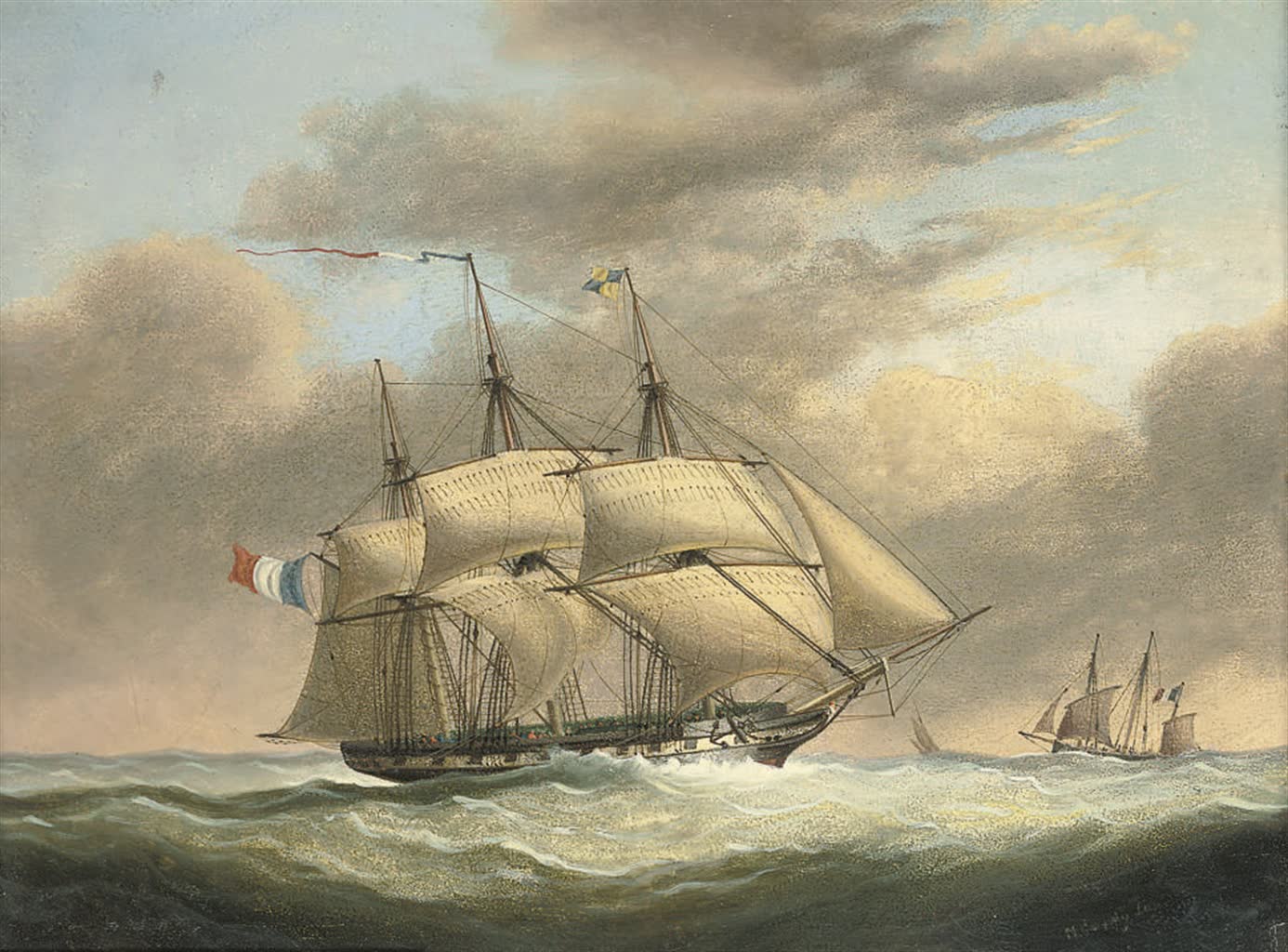
In 1697, Spain ceded the western third of the island to France. The French called it Saint-Domingue, and turned it into a money-making machine.
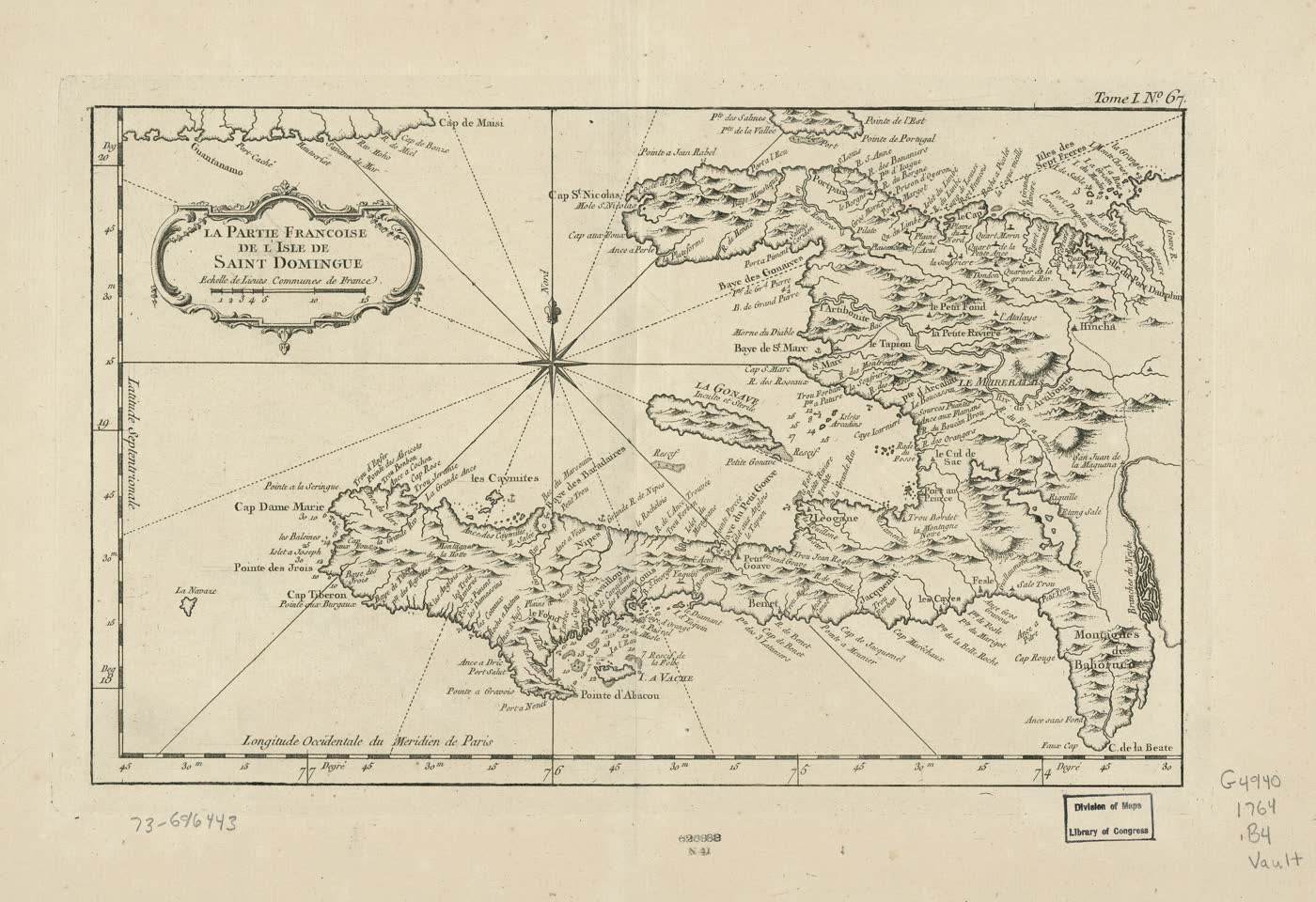
By the end of the 18th century, Saint-Domingue produced about 40% of the sugar consumed in Europe and more than half of the world's coffee. It was called "the pearl of the Antilles": it was France's most profitable colony and one of the richest on the planet.
Saint-Domingue produced more than half of the world's coffee.
The price of that wealth
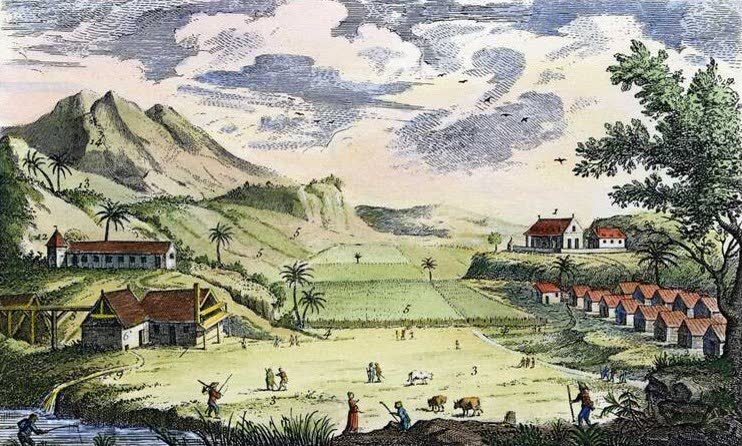
But that wealth came at a terrible price. In 1789 some 500,000 enslaved people, brought from Africa, lived there: almost nine out of every ten inhabitants of the colony.
They were worked to death on the sugarcane plantations. So many died that every year thousands of new Africans arrived to replace them.
The 1791 uprising
In August 1791, according to tradition, the enslaved gathered in secret in a forest called Bois Caïman. Days later, an uprising began that would become the most successful in history.
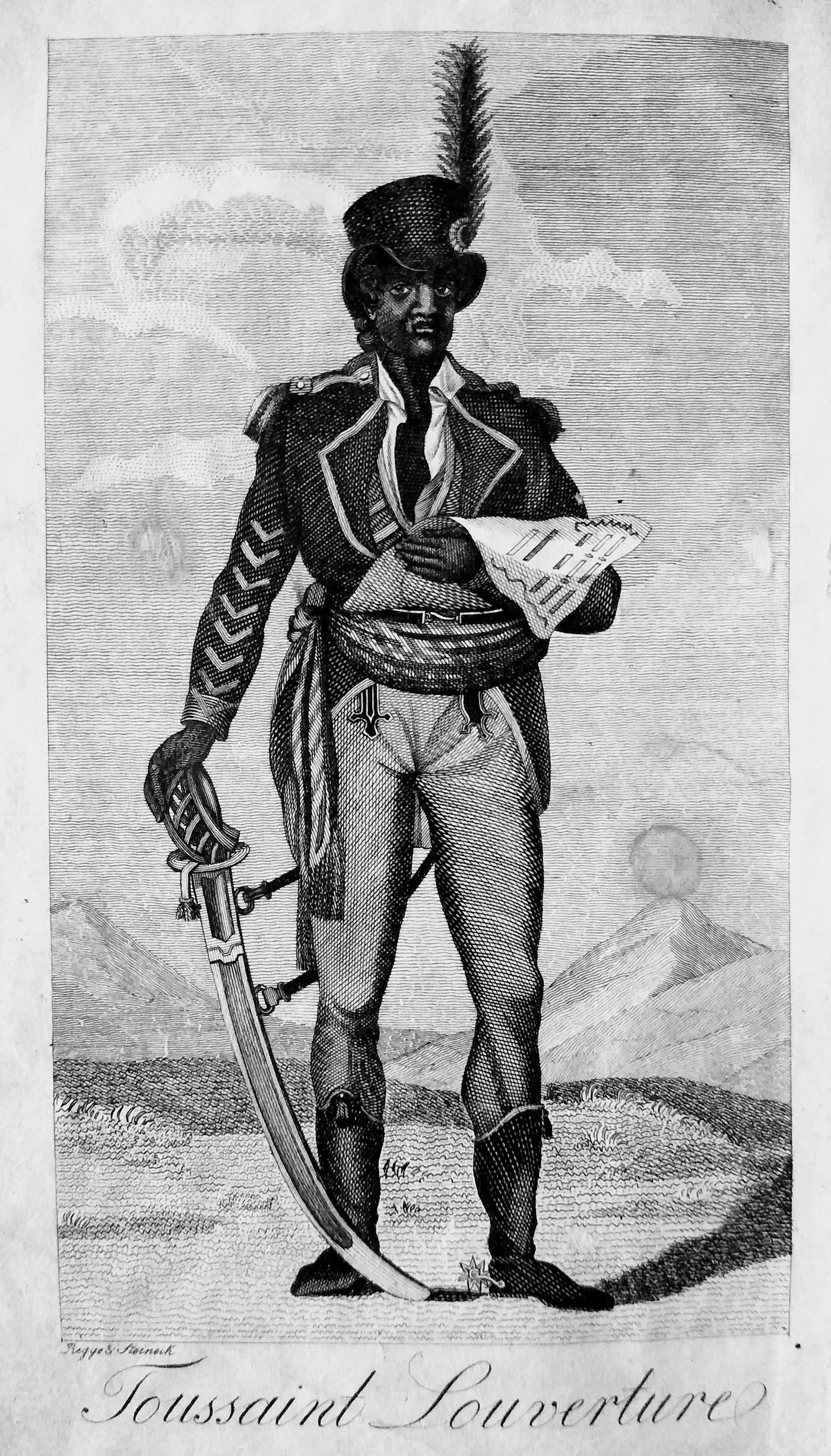
The northern plantations burned. And from that revolution a leader emerged: Toussaint Louverture, a former slave who became a general.
Napoleon strikes back
Napoleon was not willing to lose his richest colony. In 1802 he sent a huge military expedition, with tens of thousands of soldiers.
The French captured Toussaint through trickery and sent him to France, where he died in a mountain prison. But the war went on. Yellow fever devastated the French army, and its own commander died of it.
Haiti is born
On November 18, 1803, at the Battle of Vertières, the army of Jean-Jacques Dessalines defeated the French.
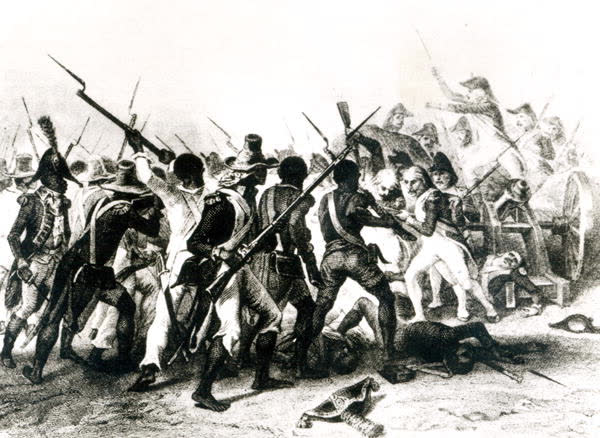
On January 1, 1804, Dessalines proclaimed independence and gave the island back its Taíno name: Haiti.
Haiti was the first country in the world founded by people who had been enslaved.
It was the first country founded by people who had been enslaved, and the second independent country in the Americas, after the United States.
It looked like the beginning of a great story. But France hadn't forgotten: twenty-one years later it presented Haiti with a bill it would pay for more than a century. We tell that story in [part two](haiti-2.html).
This story is also a video
We tell it in a short video on our channel (in Spanish). Subscribe: there's a new story every week.
Watch the video on YouTubeDid you know Haiti was the richest colony in the world?
Tell us in the comments on the video.
Sources (in Spanish)
- Ayiti, los taínos y La Española: Encyclopaedia Britannica (Haiti: History) y Wikipedia.
- Tratado de Ryswick (1697) y Saint-Domingue: Encyclopaedia Britannica.
- Precisión sobre el azúcar (cerca del 40 %), los nombres de la isla y los cinco cacicazgos: aclaración del canal tras los comentarios del video.
- Producción de azúcar y café de Saint-Domingue a finales del siglo XVIII: Encyclopaedia Britannica y Wikipedia (Saint-Domingue).
- Población esclavizada (unas 500.000 personas en 1789, casi nueve de cada diez habitantes): Encyclopaedia Britannica y Wikipedia (Saint-Domingue).
- Bois Caïman y la Revolución haitiana: Encyclopaedia Britannica (Haitian Revolution) y Wikipedia.
- Toussaint Louverture, la expedición de Leclerc (1802) y la fiebre amarilla: Encyclopaedia Britannica.
- Batalla de Vertières (18 de noviembre de 1803) e independencia (1 de enero de 1804): Encyclopaedia Britannica y Wikipedia.
Photos are from Wikimedia Commons under free licenses; the author and license are shown under each image. Illustrations are our own. We don't use brand logos.