Translated from the original Spanish article. Read in Spanish
News published on October 27, 2026. The situation may have changed since then.
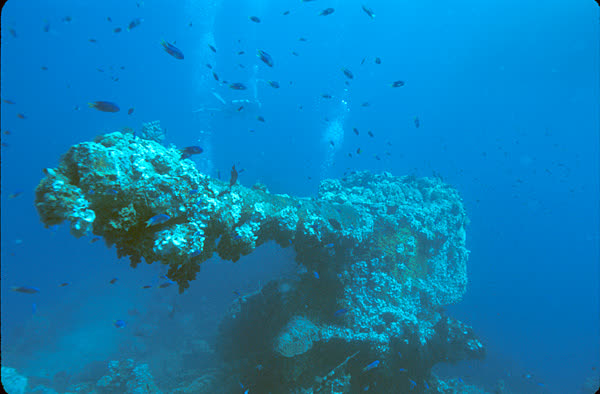
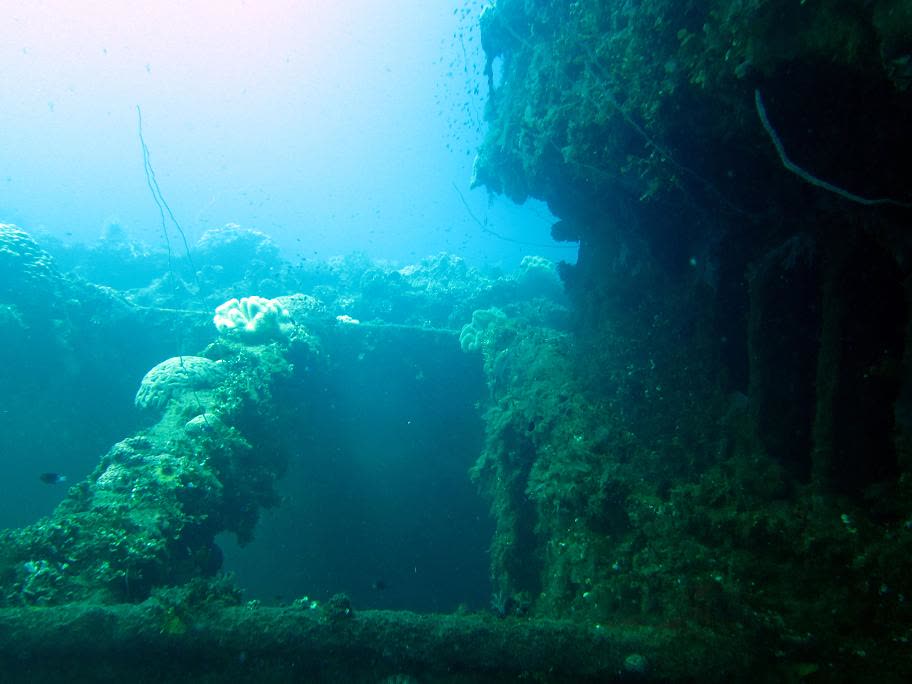
At the bottom of a Pacific lagoon lie dozens of warships sunk more than eighty years ago. And inside some of them there is still fuel. The surprise: that fuel is full of life.
Where
In Chuuk Lagoon, in Micronesia. In February 1944, during World War II, the United States launched Operation Hailstone there and sank dozens of Japanese ships.
Many of those wrecks still hold fuel in their tanks, and over the years it can leak into the sea.
What the scientists did
A team from the University of the South Pacific, led by Awei Bainivalu, took samples of the fuel from two ships: the tanker Shinkoku Maru and the cargo and troop ship Kiyosumi Maru.
Then they analyzed the DNA of everything living inside those samples.
What they found
A tiny world: 1,505 species-level bacterial classifications, from more than a thousand different genera.
Among them were genera such as *Ralstonia*, *Sphingomonas* and *Corynebacterium*. Some bacteria in these groups are known for something very useful: breaking down oil.
1,505 types of bacteria living in fuel more than 80 years old.
What we still don't know
It must be said clearly: the study did not prove that these bacteria are cleaning up the fuel. It only found that they are there, and that some belong to families able to do it.
Even so, the researchers believe it could be a starting point for using local bacteria to clean up pollution from Pacific shipwrecks. The study was published in October 2026 in the journal Marine Pollution Bulletin.
More stories on video
This story is web-only. Every week on our social media we tell the stories behind brands and the news.
Do you think bacteria could help clean up the oceans?
Tell us in the comments on our social media.
Sources (in Spanish)
- Estudio publicado en Marine Pollution Bulletin (octubre de 2026), resumido por Karmactive, News of Bahrain y Scienze Notizie (24 de octubre de 2026).
- En español: Gizmodo.
- Operación Hailstone y la laguna de Chuuk: Wikipedia.
Photos are from Wikimedia Commons under free licenses; the author and license are shown under each image.