Translated from the original Spanish article. Read in Spanish
News published on October 25, 2026. The situation may have changed since then.
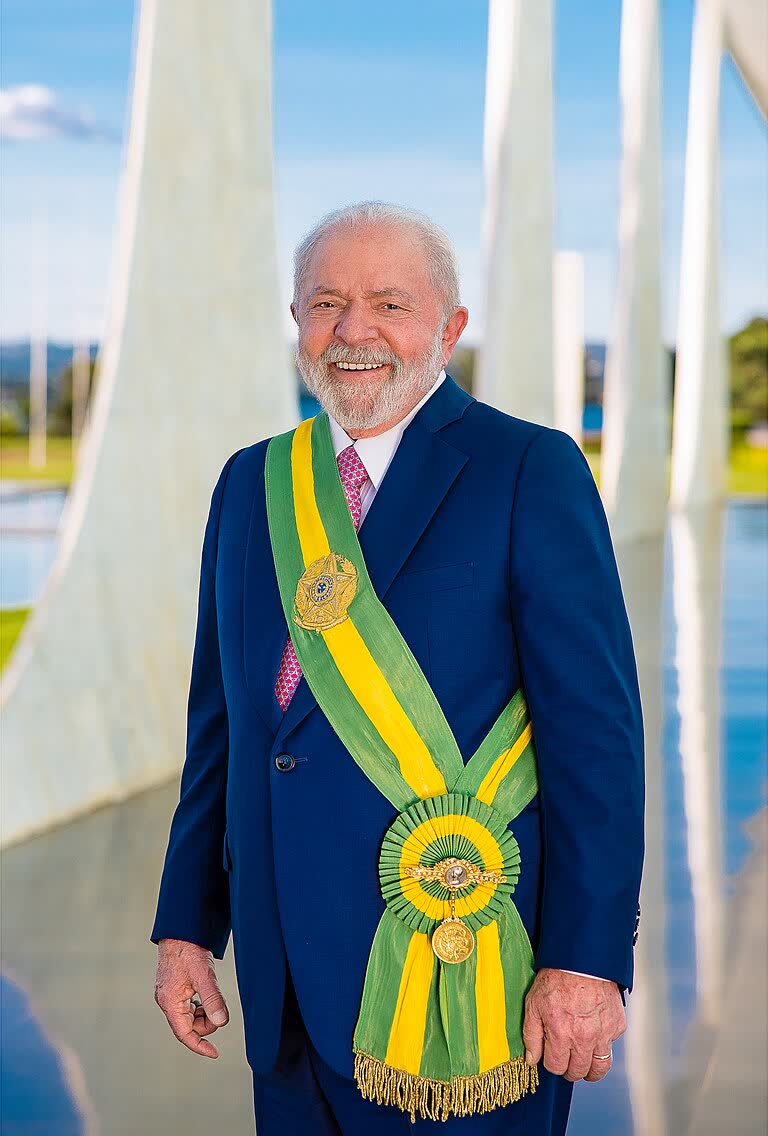
It's official: Lula wins again. He won the runoff and secured his fourth term as president of Brazil. Flávio Bolsonaro lost by a very narrow margin, and for half the country there was nothing to celebrate that night.
Lula is 80. If he completes his term, he'll leave office at 84.
How it came to a runoff
In the first round, on October 4, Flávio Bolsonaro came first, with 47% of valid votes: more than 56 million people. Lula got 45%, about two million fewer votes. Third place didn't even reach 3%: the fight was just between the two of them.
The last two polls before the runoff showed a statistical tie: Flávio 51%, Lula 49%.
Who the candidates were
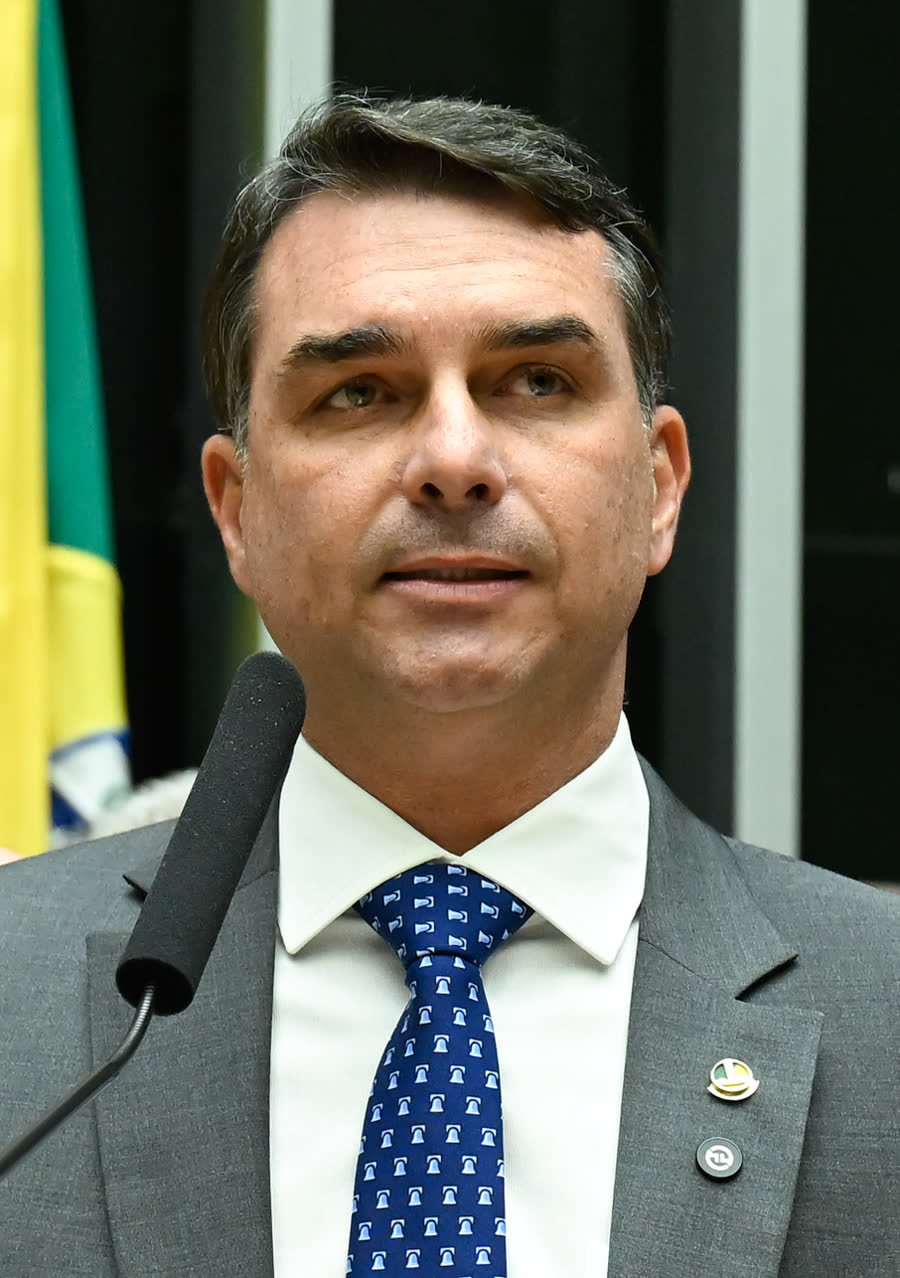
Flávio Bolsonaro is 45. He is Jair Bolsonaro's eldest son, a lawyer and senator for Rio de Janeiro since 2019; before that he spent sixteen years as a state deputy. He ran because his father couldn't: Jair Bolsonaro was declared ineligible in 2023 and was arrested in 2025. His running mate was congressman Alfredo Gaspar.
Lula was seeking his fourth term, again with Geraldo Alckmin as vice president.
What each one proposed
On the economy, Flávio proposed cutting public spending, eliminating at least ten ministries, creating a new fiscal rule and reviewing the tax reform. Lula proposed keeping social investment, with higher taxes on top earners, and ending the six-days-on, one-day-off work schedule. Both promised that the minimum wage would rise above inflation.
On security, Flávio's flagship proposal was building five maximum-security prisons, modeled on Nayib Bukele's El Salvador. Lula proposed a Ministry of Public Security and more coordination and intelligence between the forces.
In the last debate, on Globo, fact-checkers at the Lupa agency flagged errors from both: Lula repeated a wrong figure about the economy, and Flávio made accusations that had already been debunked.
Voting day: the buses in Salvador
In the middle of the runoff, the courts ordered an official's arrest over the lack of buses to take people to vote in Salvador, Bahia, a city governed by Flávio Bolsonaro's allies, where Lula had won 65% in the first round.
Lula's party said the fleet had been cut to less than half, and the consumer protection agency found 544 buses parked in depots, ready to run. City hall gave another version: it said union members had stuck stickers with the number 13, that of Lula's party, on the buses, and that the law prohibits running buses with campaign material.
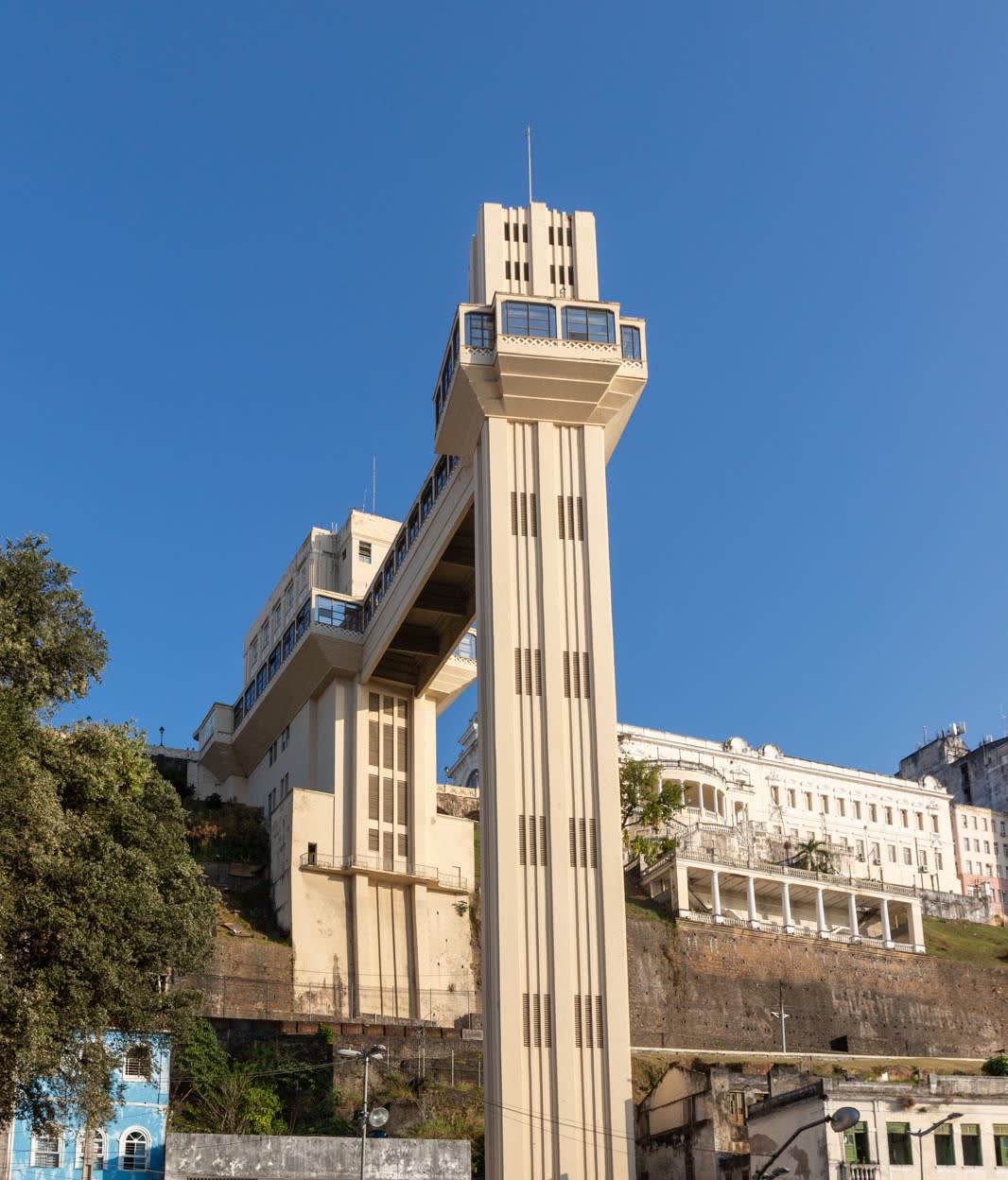
Bahia's electoral court ordered the entire fleet out and the arrest of the mobility secretary, Pablo Souza, who according to the Brazilian press was in France. Later, the courts extended voting hours until 7 p.m., and the electoral court briefly held back publication of the count.
What his critics warn about
Public finances. Analysts and outlets such as The Economist have criticized for years that his government spends too much and struggles to rein in spending. Public debt keeps growing, and interest rates in Brazil are among the highest in the world.
The dollar. During his last term, the real suffered a historic devaluation, and markets reacted badly to his clashes with the Central Bank.
Security. His opponents say he has no tough plan against criminal factions like the PCC and Comando Vermelho.
A country split in two. Almost half of Brazilians voted against him, and the tension doesn't end with this election.
Almost half of Brazil voted against him: the new government starts with a country split in two.
His voters, on the other hand, are celebrating: they say the government of social programs is back.
This story is also a video
We explain it in a video on our channel (in Spanish). Subscribe for the story behind each headline.
Watch the video on YouTubeWhat do you think will happen to Brazil in this new term?
Tell us in the comments on the video.
Sources (in Spanish)
- Encuestas Datafolha y Quaest (24 de octubre de 2026), vía La Tercera y CNN Chile.
- Resultados de la primera vuelta: TSE, vía Chequeado y Focus Noticias.
- Propuestas de los candidatos: Poder360, France 24, Chequeado y planes de gobierno registrados ante el TSE (Bloomberg Línea, SBT News, Gazeta do Povo).
- Verificación del último debate: Agência Lupa (23 de octubre de 2026).
- Biografía y candidatura de Flávio Bolsonaro: O Tempo, Gazeta do Povo y Wikipedia.
- Críticas fiscales: The Economist y Bloomberg.
- Autobuses de Salvador de Bahía: prensa brasileña del día de la votación (25 de octubre de 2026).
Photos are from Wikimedia Commons under free licenses; the author and license are shown under each image.