Translated from the original Spanish article. Read in Spanish
News published on October 27, 2026. The situation may have changed since then.
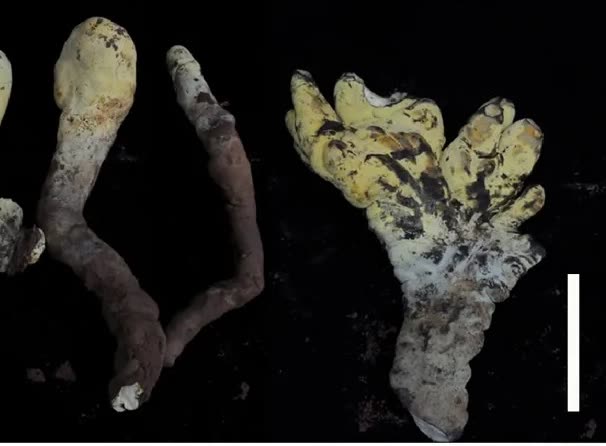
They call it "D-rex", as if it were a dinosaur. And that's no coincidence: it's a giant fungus discovered in China, and scientists believe its lineage goes back about 65 million years, shortly after the dinosaurs went extinct.
The fungus
Its scientific name is Dianjunus rex. It grows in the forests of Yunnan province, in southwest China, on the woody roots of a type of Chinese cork oak.
Its reproductive structures, the parts that stick up, can be about 50 centimeters tall and weigh up to 2.2 kilos.
"D-rex" grows up to 50 cm tall and weighs up to 2.2 kilos.
A record, with caveats
It's the fungus with the largest known reproductive structures in its group, the ascomycetes, which includes truffles and yeasts, for example. The previous records in that group measured 20 to 30 centimeters.
It must be said clearly: it isn't the largest fungus in the world. Other groups of fungi have much bigger specimens. But within its family, it's a giant.
A new family
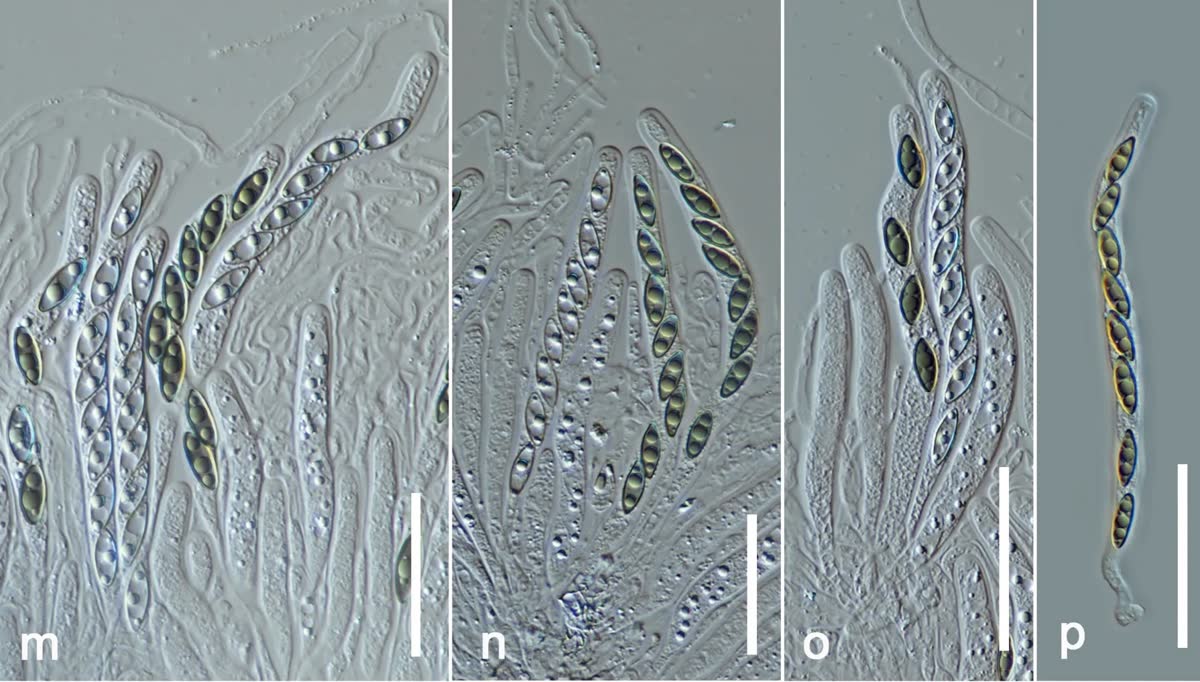
The discovery is so special that the researchers had to create a new family to classify it: Dianjunaceae. According to their analysis, that lineage would have split off about 65 million years ago. It's a hypothesis based on DNA, not on fossils.
Farmers saw it first
The most curious part: local farmers already knew this fungus. They had seen it many times, but nobody had described it scientifically.
Everything changed when a local resident sent photos to researchers at the Kunming Institute of Botany. They went looking for it and found it in temperate forests near Damaidi and Yipinglang, and also in a tropical forest near Nanbang.
Why it matters
The discovery is a reminder of something surprising: there are still large, visible and striking species that science doesn't know about. And often, the people who live near them are the first to see them. The study was published in October 2026 in the scientific journal Frontiers in Fungal Biology.
More stories on video
This story is web-only. Every week on our social media we tell the stories behind brands and the news.
How many species do you think are still waiting to be discovered?
Tell us in the comments on our social media.
Sources (in Spanish)
- Descubrimiento, tamaño y nueva familia: ScienceDaily (25 de octubre de 2026) y SciTechDaily.
- Cómo se encontró y dónde: Newser y QuantoSei News.
- Récords de hongos de otros grupos: Wikipedia, Largest fungal fruit bodies.
- Estudio original: revista Frontiers in Fungal Biology (octubre de 2026).
Photos are from Wikimedia Commons under free licenses; the author and license are shown under each image.