Translated from the original Spanish article. Read in Spanish
News published on October 25, 2026. The situation may have changed since then.
Imagine working a whole month and earning nine dollars. Having the power go out twenty hours a day. And knowing that killing a cow that belongs to you could cost you up to ten years in prison.
That's not a movie. It's Cuba, in 2026. These are the facts.
1. A nine-dollar wage
According to ONEI, the official statistics office, the average state wage in August was 7,354 pesos. At the street exchange rate, that's about nine dollars a month.
And according to Infobae, that wage no longer covers even a carton of thirty eggs.
2. The dollar that keeps rising
In early October, on the informal market, a dollar cost 770 pesos. This week it already passed 830, according to elTOQUE. Meanwhile, more and more things can only be bought in dollars.
3. Twenty hours without power
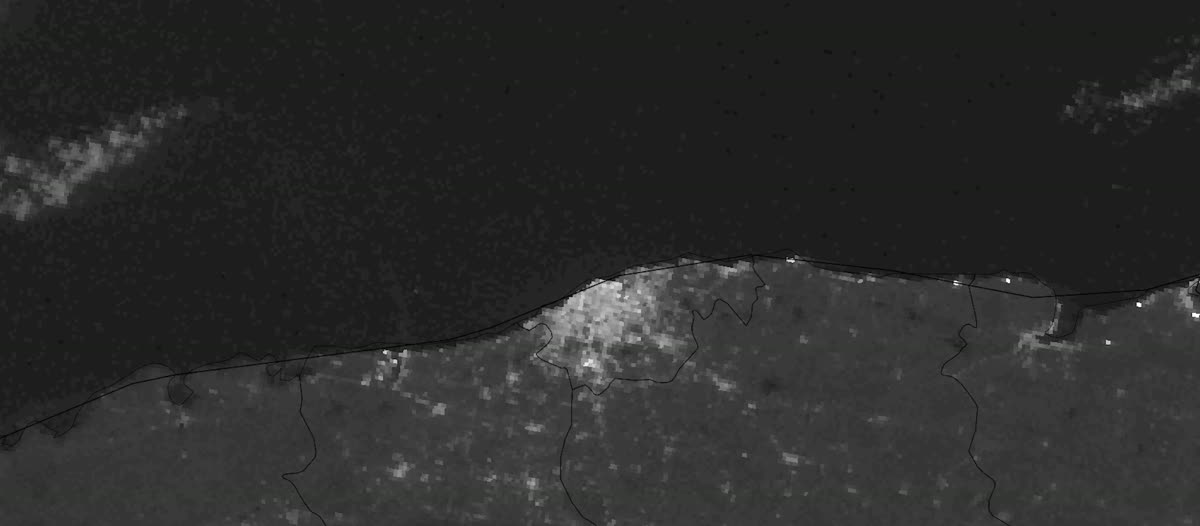
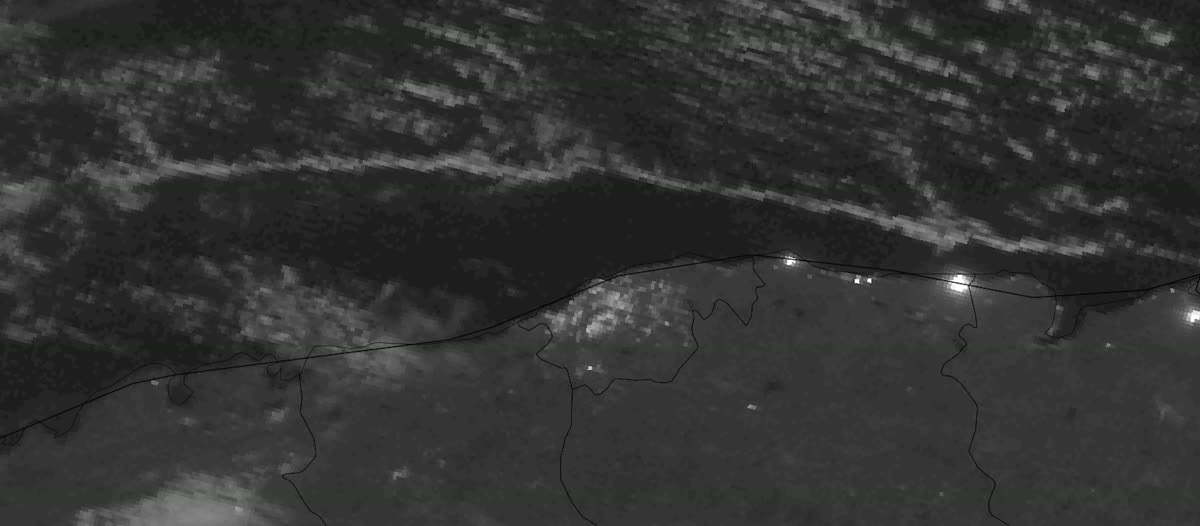
This year, the entire country's power grid has collapsed completely several times. In some areas, blackouts exceed twenty hours a day, and on the worst days there was a shortfall of more than two thousand megawatts.
The energy minister himself admitted there was "absolutely no fuel oil, and absolutely no diesel".
4. The ration book
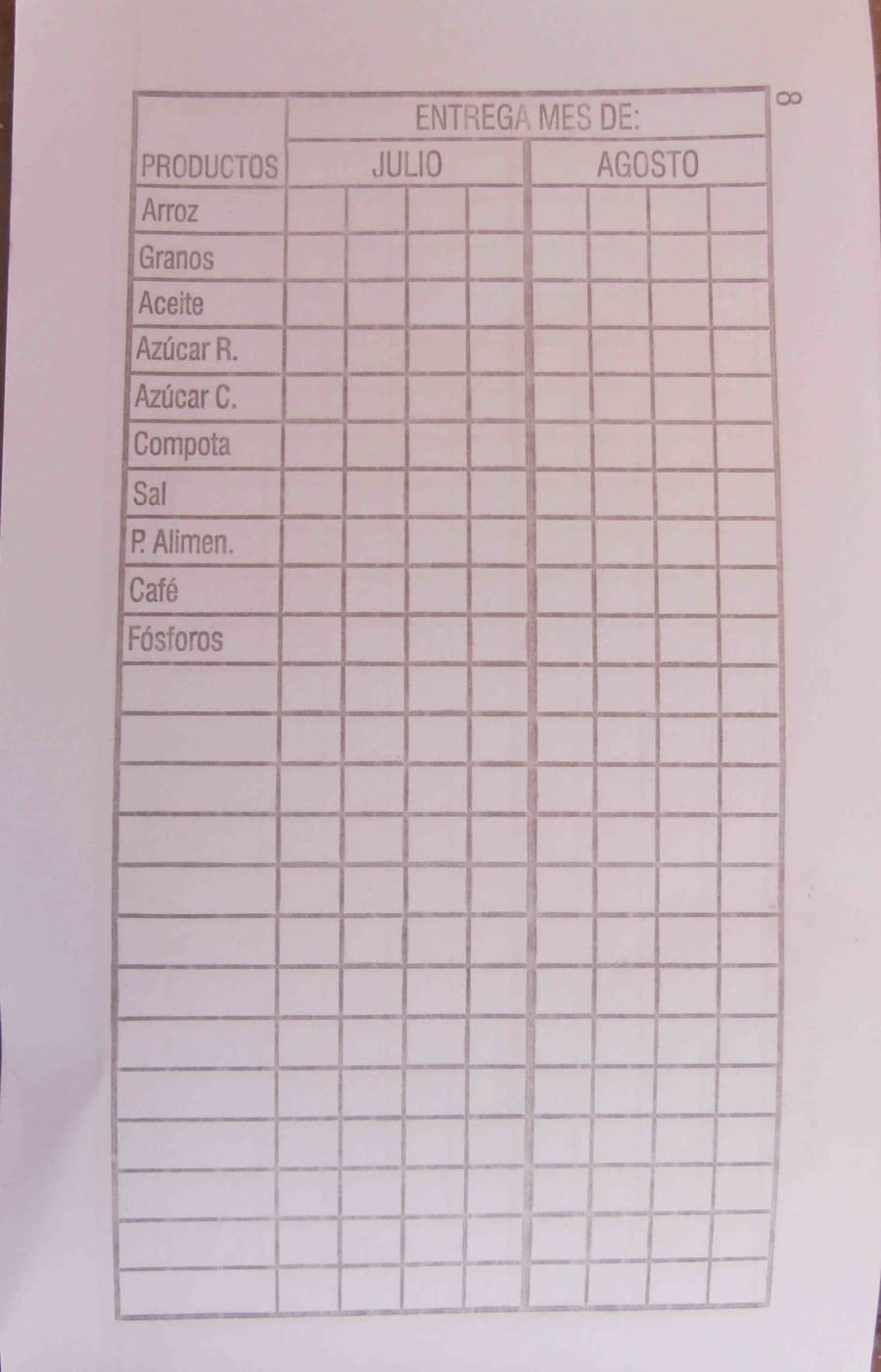
Since 1962, every family has had a ration book: a monthly quota of basic goods at subsidized prices.
Sixty-four years later, it still exists. But it almost never arrives complete, and since April the state has stopped subsidizing the products for everyone.
5. The cow that isn't yours
In Cuba, even if the cow is yours, you can't slaughter it without state permission. The Penal Code punishes illegal slaughter of cattle with between four and ten years in prison.
In September some requirements for slaughtering your own cattle were relaxed, but the crime is still in the code.
Killing your own cow without permission can cost between 4 and 10 years in prison.
6. What used to be banned
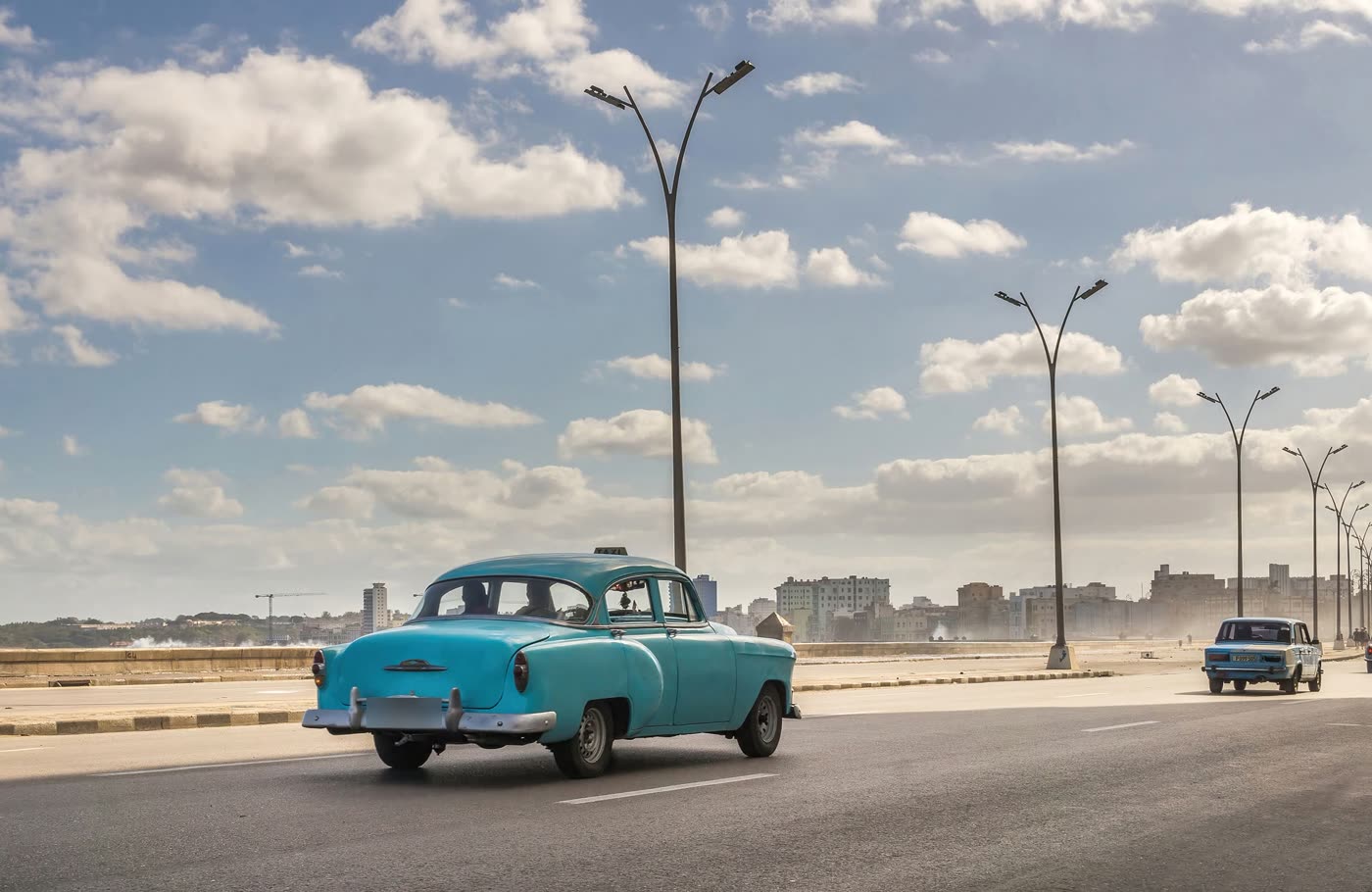
Until 2008, Cubans couldn't have a cell phone in their own name, or stay in hotels in their own country. Until 2011, they couldn't freely buy or sell a car: that's why so many 1950s cars are still on the road. And until 2013, they needed an exit permit from the government to travel abroad.

7. The country that's emptying out
According to the official statistics office, more than 245,000 people emigrated in 2025. It's the ninth year in a row that Cuba has lost population.
The official figure is already below nine and a half million inhabitants, and some independent demographers believe the real number is much lower.
8. The summer that never ends
To save electricity, the government decided to keep daylight saving time until November 2027.
And even so, Cubans find ways: solar panels, wood stoves and a lot of ingenuity to get through each day.
This story is also a video
We explain it in a video on our channel (in Spanish). Subscribe for the story behind each headline.
Watch the video on YouTubeWhat seems most absurd to you: the nine-dollar wage, the blackouts or the cow you can't kill? And if you're Cuban, tell me how you live it.
Tell us in the comments on the video.
Sources (in Spanish)
- Salario medio estatal (agosto de 2026): ONEI, vía Infobae, Diario Libre y EFE (13 de octubre de 2026).
- Tasa del dólar en el mercado informal: elTOQUE (octubre de 2026).
- Apagones y déficit de generación: Infobae (11 de octubre de 2026), CiberCuba, Prensa Mercosur y Wikipedia (2024–2026 Cuba blackouts).
- Horario de verano hasta 2027: NX Noticias.
- Libreta de abastecimiento: Infobae (30 de agosto de 2026) y Resolución 16/2026 del MINCIN vía Directorio Cubano.
- Sacrificio de ganado (Código Penal y Resolución 162/2026): Cubanet y Directorio Cubano.
- Prohibiciones levantadas en 2008, 2011 y 2013: reformas de Raúl Castro (celulares y hoteles; Decreto-Ley 292 sobre autos; Decreto-Ley 302 sobre viajes).
- Emigración 2025: ONEI, vía Infobae, Diario Libre y swissinfo (julio de 2026).
Photos are from Wikimedia Commons under free licenses; the author and license are shown under each image.