The UN again calls for an end to the embargo on Cuba, but with the worst result in its history
130 countries voted in Cuba's favor, 35 fewer than last year. Earlier, Cuba's foreign minister walked toward the US ambassador while he was speaking, and Washington expelled a Cuban diplomat.
Translated from the original Spanish article. Read in Spanish
News published on October 28, 2026. The situation may have changed since then.
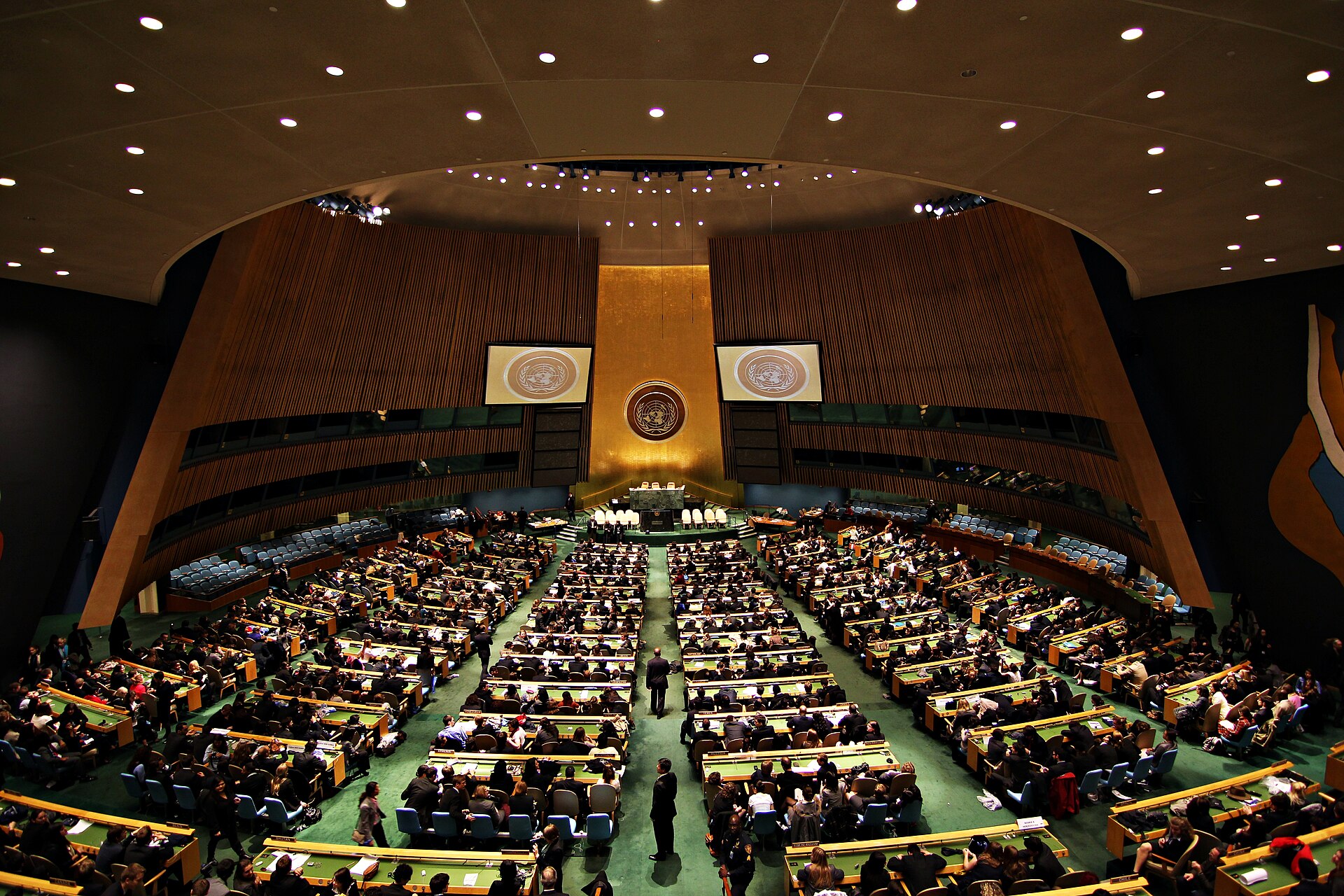
As it does every year since 1992, the UN General Assembly voted on a resolution asking the United States to lift its embargo on Cuba. And it passed again. But this time the news isn't that Cuba won, but how much support it lost.
The result
On Wednesday, October 28, 2026, the resolution passed with 130 votes in favor, 17 against and 25 abstentions.
A year earlier it had received 165 votes in favor and only 7 against. And in 2024, 187. It is Cuba's worst result since it began presenting it more than three decades ago.
From 2025 to 2026, the resolution went from 165 to 130 votes in favor, and votes against rose from 7 to 17.
Who switched sides
Besides the United States and Israel, which always vote against, this year Colombia, Ecuador, Costa Rica, Argentina, Paraguay, Hungary, Morocco, Ukraine and the United Arab Emirates, among others, also voted against.
Chile, Honduras and Peru, which backed Cuba last year, abstained. Germany, Italy, Greece and the Dominican Republic also abstained. Venezuela couldn't vote: its vote is suspended because it owes dues to the UN.
Cuba accused the United States of strong diplomatic pressure to get several countries to withdraw their support.
The clash in the middle of the debate
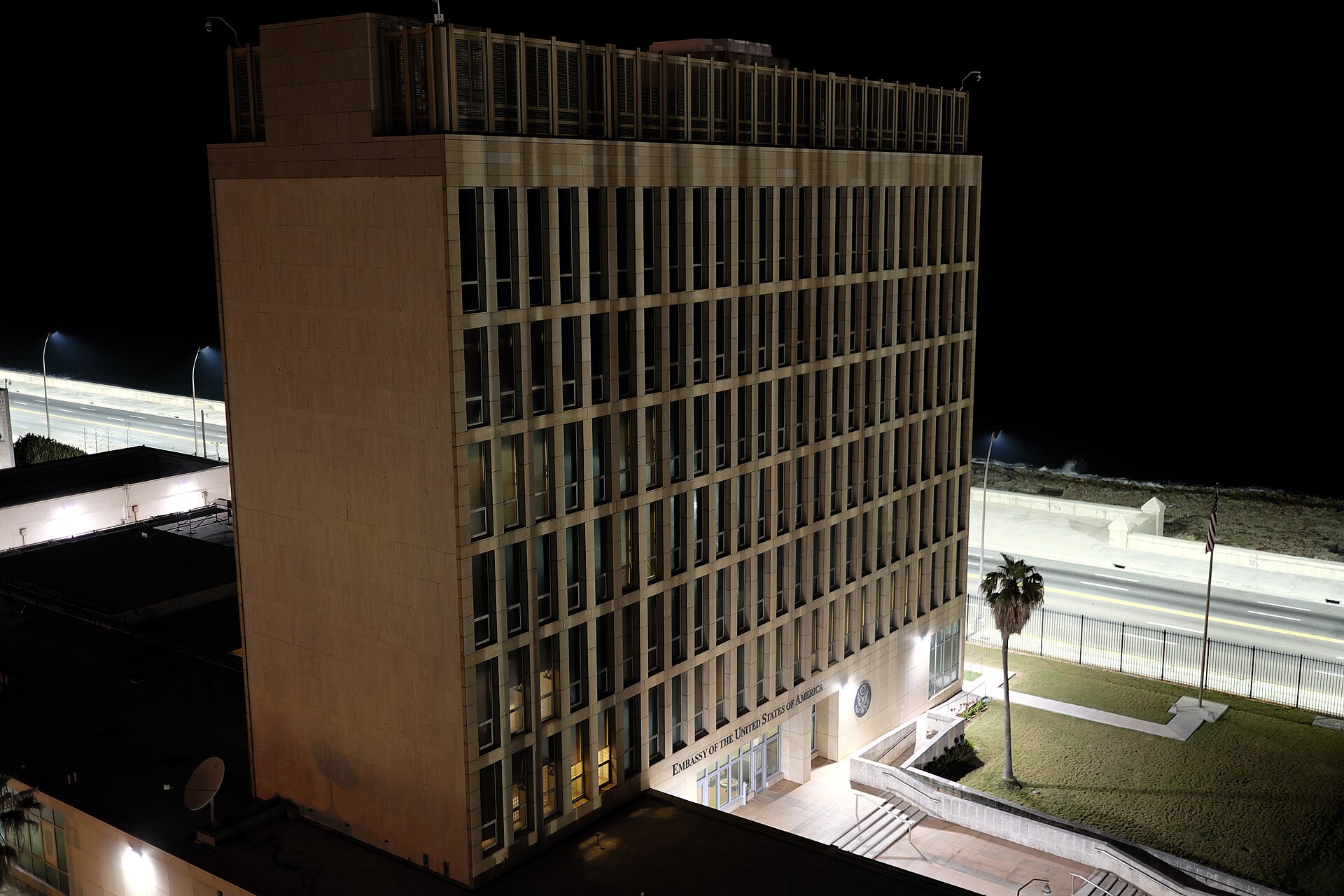
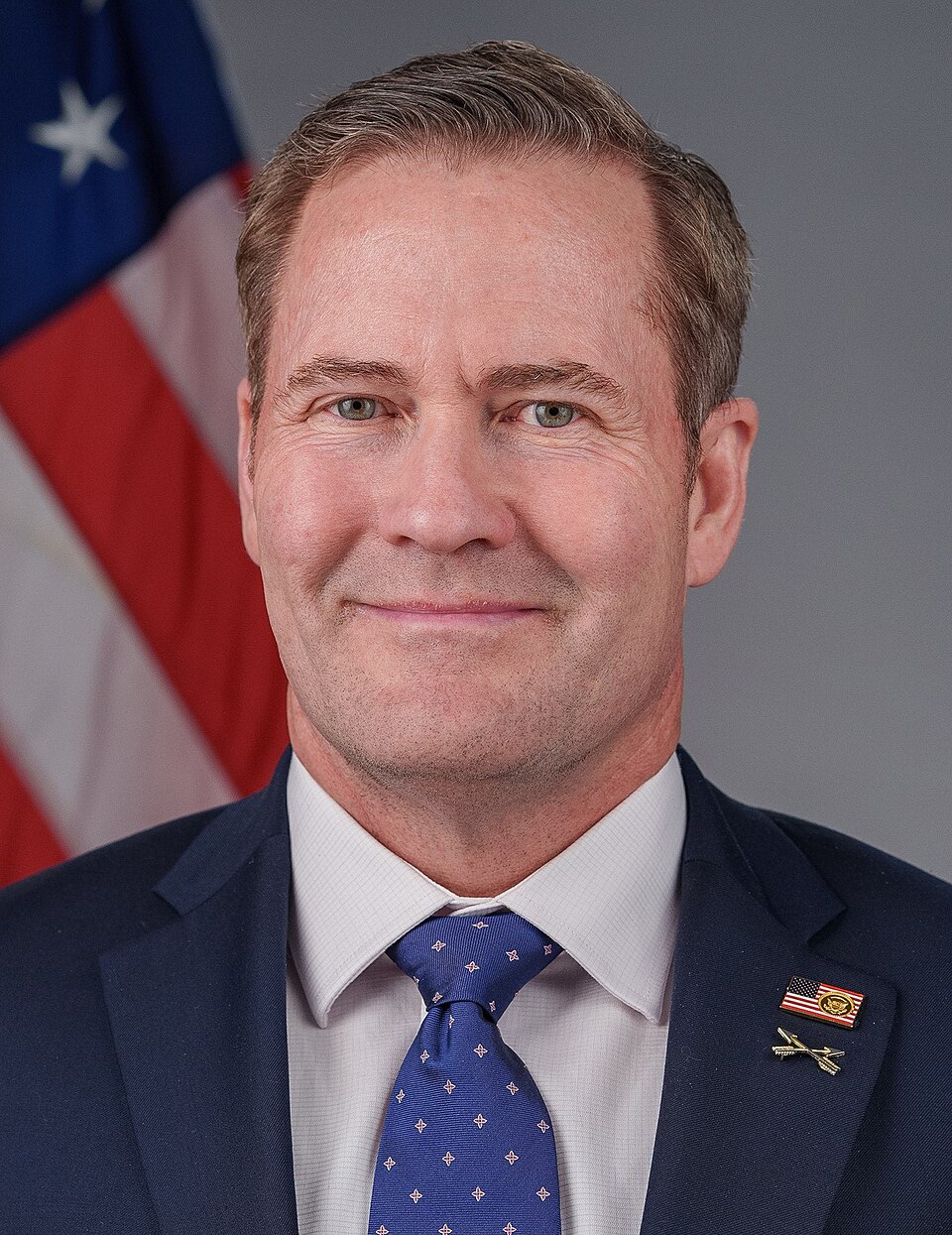
The tensest moment came on Tuesday, during the debate. While US Ambassador Mike Waltz was speaking, Cuban Foreign Minister Bruno Rodríguez Parrilla got up and walked toward the podium. The President of the Assembly had to suspend the session for a few minutes and ask him to return to his seat.
Waltz had said that "there is no blockade": in his view, Cuba's crisis is its government's fault, and as proof he cited that the United States sold the island goods worth more than $876 million in the first eight months of 2026. He also showed photos of luxury items belonging to the Cuban elite.
A Cuban diplomat, expelled
In the middle of the commotion, an official of the Cuban mission, Richard Tur de la Concepción, tried to grab the phone of Waltz's spokesperson, who was filming. Secretary of State Marco Rubio ordered him expelled from the United States. "There will be consequences," Waltz warned.
After the vote, Waltz celebrated on X that "the world is starting to resist the Cuban regime's propaganda". Cuban President Miguel Díaz-Canel replied that Cuba will not give in to Washington's pressure.
Why it matters
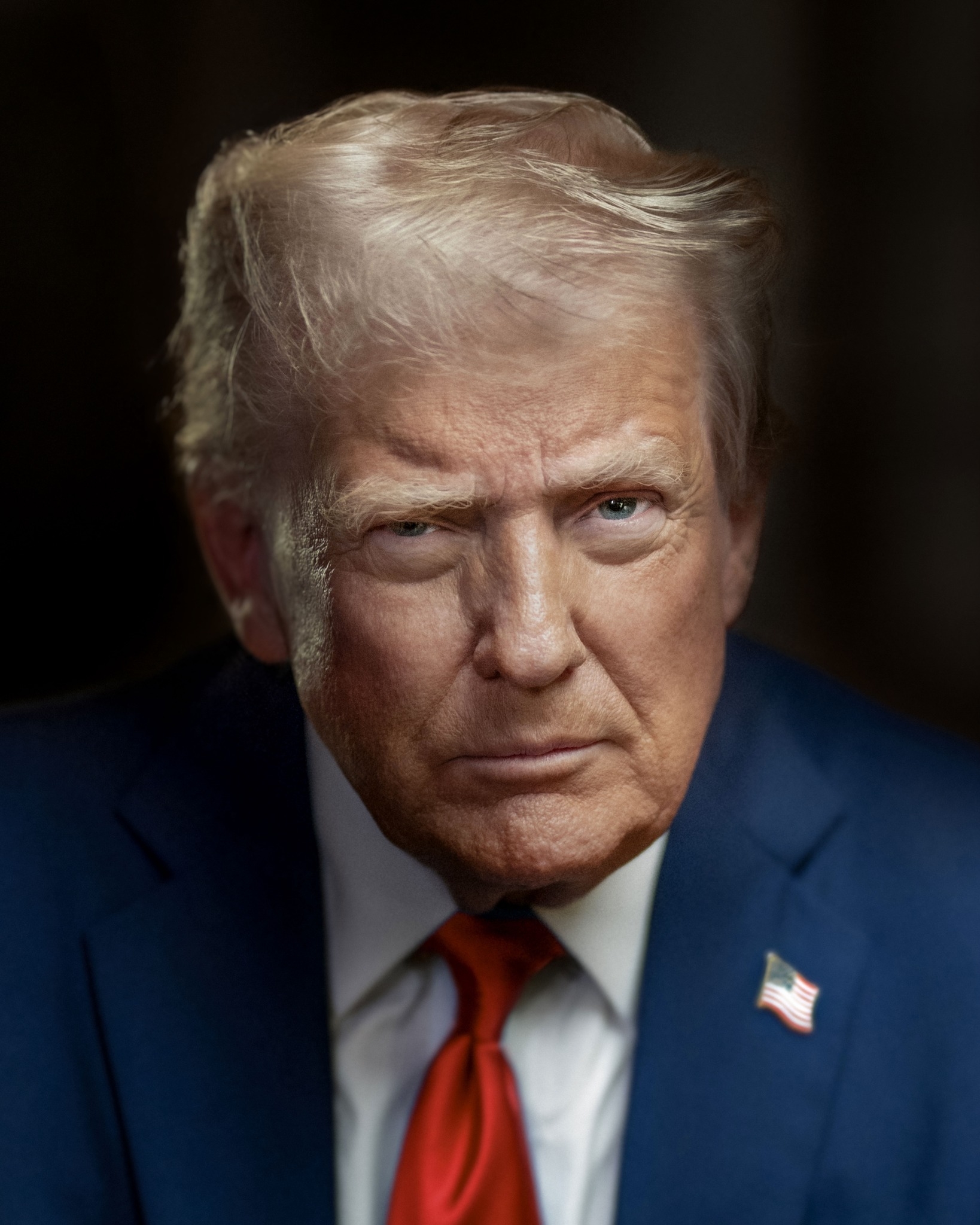
The UN vote does not oblige the United States to do anything: it is a political message. But it comes at the worst moment for the island. This year Trump signed orders that sanction anyone who sells oil to Cuba, and the UN's representative on the island, Francisco Pichón, warns of a possible humanitarian collapse caused by the energy crisis. According to Cuban authorities, more than 100,000 surgeries have had to be postponed.
If you want to understand what life is like on the island now, see [the most absurd things about living in Cuba in 2026](cuba-absurdos.html) and [what would happen to the $9 salary if its economy opened up](cuba-salarios.html).
More stories on video
This story is web-only. Every week on our social media we tell the stories behind brands and the news.
Do you think the US embargo is the cause of Cuba's crisis, or is the problem the Cuban government itself?
Tell us in the comments on our social media.
Sources (in Spanish)
- Votación y países que cambiaron su voto: Infobae / EFE (28 de octubre de 2026).
- Debate, declaraciones de Waltz y situación humanitaria: Noticias ONU.
- Incidente en el podio, expulsión del diplomático y reacción de EE. UU.: CiberCuba.
- Comparación con años anteriores: CiberCuba y The Washington Times.
Photos are from Wikimedia Commons under free licenses; the author and license are shown under each image.