Translated from the original Spanish article. Read in Spanish
News published on October 23, 2026. The situation may have changed since then.
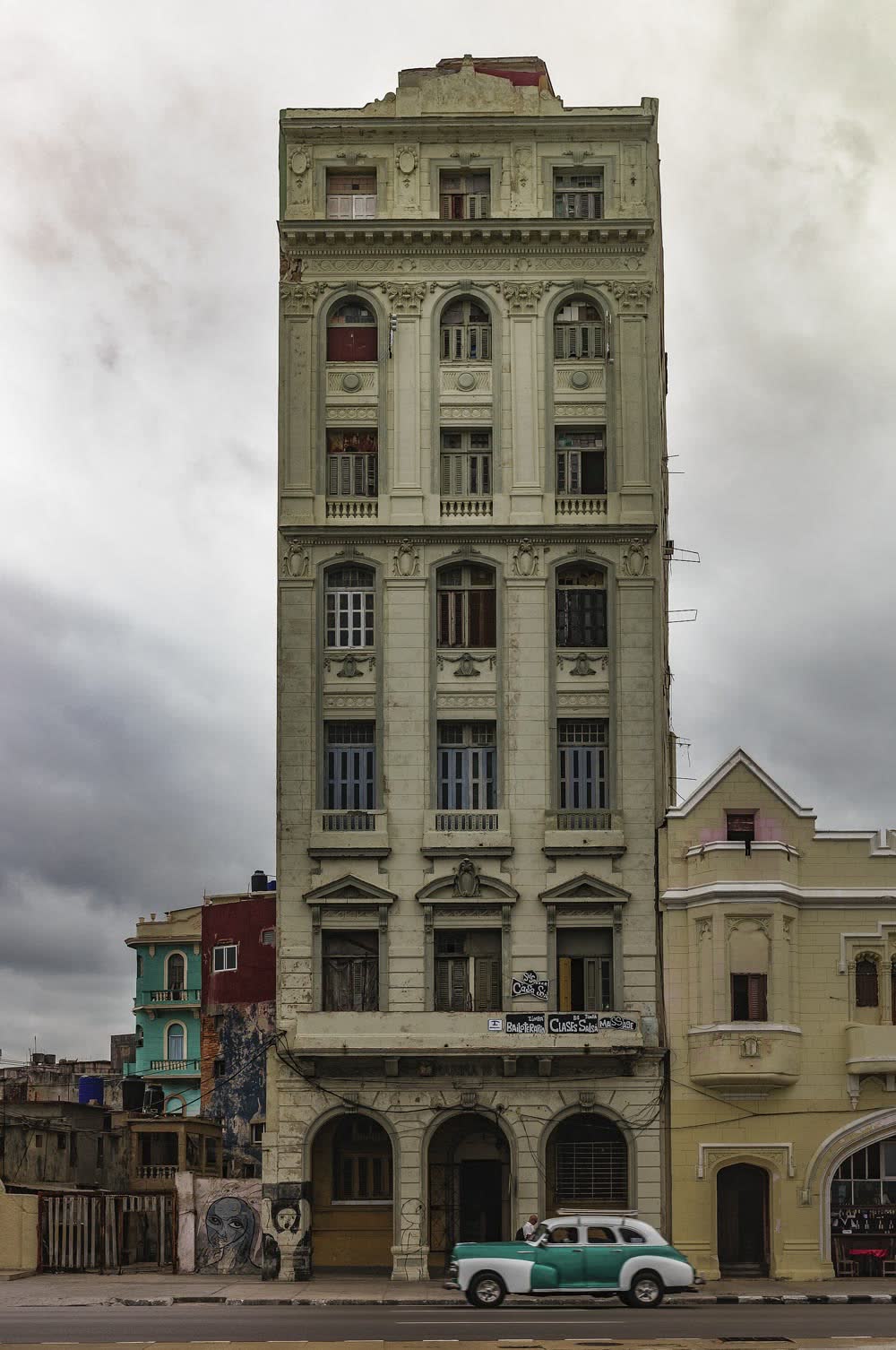
A whole month of work in Cuba is worth about nine dollars.
That's the average state wage: 7,354 pesos, according to ONEI, the official statistics office. And a carton of thirty eggs can cost up to 3,800 pesos in Havana's private shops: more than half the wage.
So what would happen to that wage if Cuba opened its economy? Nobody knows for sure. But other countries have already been there.
Poland: all at once
In 1990, Poland opened its economy all at once. The first years were hard: soaring prices and lots of unemployment. Inflation reached 54% in a single month.
But today, the Polish minimum wage is around 1,100 euros a month.

Vietnam: little by little
Vietnam took another path: it opened its market little by little, without changing parties, with the reforms known as Doi Moi, starting in 1986.
Its poverty rate fell from 58% to 37% in just five years, between 1993 and 1998.

And Cuba?
If Cuba followed one of those paths, the most likely outcome would be something similar: first, higher prices… and then, if investment and jobs arrive, better wages.
The big question isn't whether things would improve, but how long the hard part would last.
It must be said clearly: this is a scenario, not a prediction. Nobody knows whether Cuba will open its economy or how it would do it.
This story is also a video
We explain it in a video on our channel (in Spanish). Subscribe for the story behind each headline.
Watch the video on YouTubeWould you put up with a few hard years in exchange for a better future?
Tell us in the comments on the video.
Sources (in Spanish)
- Salario medio estatal de agosto de 2026 (7354 pesos): ONEI, vía EFE e Infobae (13 de octubre de 2026). Cambio informal: elTOQUE (11 de octubre de 2026).
- Precio de los huevos en tiendas privadas de La Habana: prensa cubana independiente (octubre de 2026).
- Polonia: terapia de choque desde 1990 y salario mínimo de 2026 (4806 zlotys brutos, unos 1130 euros).
- Vietnam: reformas Doi Moi y caída de la pobreza del 58 % (1993) al 37 % (1998), según el Banco Mundial.
Photos are from Wikimedia Commons under free licenses; the author and license are shown under each image.